No Results Found
The page you requested could not be found. Try refining your search, or use the navigation above to locate the post.

Beyond Dancing: A Foodie’s Guide to Chilean Nights
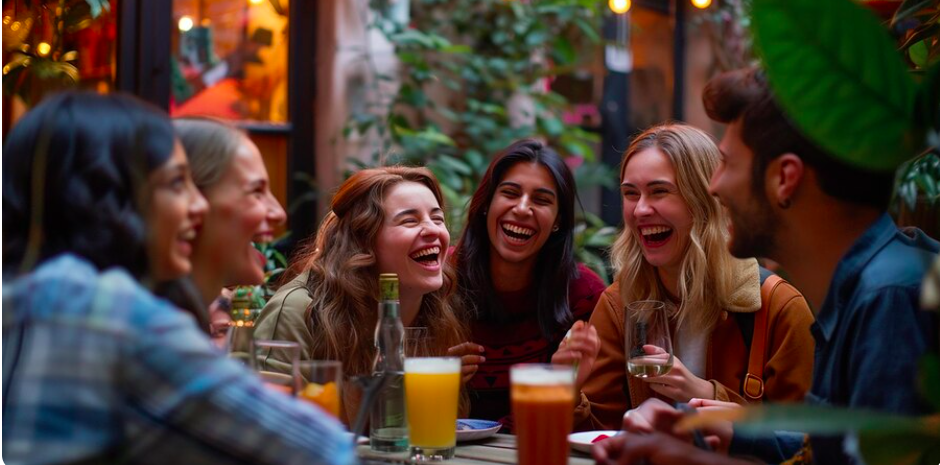
When the sun goes down in Chile, it’s not just about heading to a club or dancing the night away (although you can definitely do that too). For many locals, nightlife begins at the table , with food, drinks, and long conversations that stretch into the early hours of the morning.
Whether you’re looking for late-night bites, cozy bars with great cocktails, or iconic dishes to soak up the pisco, Chile has you covered. Here’s your ultimate guide to eating and drinking after dark in Chile.
Before anything else, you need to know about chorrillana. This massive dish is a mountain of fries topped with sautéed beef, caramelized onions, and fried eggs. It is practically a rite of passage in Chilean nightlife. It’s messy, indulgent, and best shared with friends after a few drinks.
Where to try it:
Another must-try? The completo, Chile’s take on the hot dog, loaded with avocado, mayo, tomatoes, and sauerkraut. It’s the perfect street snack after a night out.
Santiago’s nightlife scene is incredibly diverse, ranging from stylish rooftop bars to hidden speakeasies and buzzing street food corners.
After midnight, head to Barrio Bellavista , the city’s nightlife hub, where streets come alive with bars, live music, and casual food joints. You’ll find everything from sushi to anticuchos (meat skewers) sizzling on street grills.
Valparaíso has a completely different vibe, more artsy, gritty, and effortlessly cool. Nights here often start with cocktails in intimate bars tucked into the city’s famous hills (cerros) and end with live music or impromptu street parties.
Don’t forget to grab a street empanada on your way home, it’s a Valparaíso tradition.
If you’re looking for something beyond typical nightlife, Chile also offers some quirky, delicious late-night adventures:
No night out in Chile is complete without trying at least one of these drinks:
Nightlife Tips
Cook with us!
Nightlife in Chile is about more than just drinking; it’s about enjoying good company, great food, and long, lively conversations. Whether you’re indulging in a late-night chorrillana or sipping wine under the stars, you’ll discover that some of the best memories here happen after dark.
Chile’s nightlife revolves around food, friends, and fun, and you can bring that energy into your own kitchen! Our cooking classes let you dive into the heart of Chilean food culture, teaching you how to recreate some of the comforting dishes locals love to enjoy after dark. Come cook, eat, and laugh with us; it’s the ultimate night in.
During my first days in Buenos Aires, I was fascinated by how much the city’s drinks reveal about its culture and people. From the herbal warmth of mate shared among friends to the rich taste of Malbec enjoyed during a slow meal, each beverage offers more than refreshment. It invites you to pause, to connect, and to experience the rhythm of daily life. Whether you’re in the mood for something traditional or curious to try a local favorite, drinking like a porteño is a delicious way to feel part of the city.
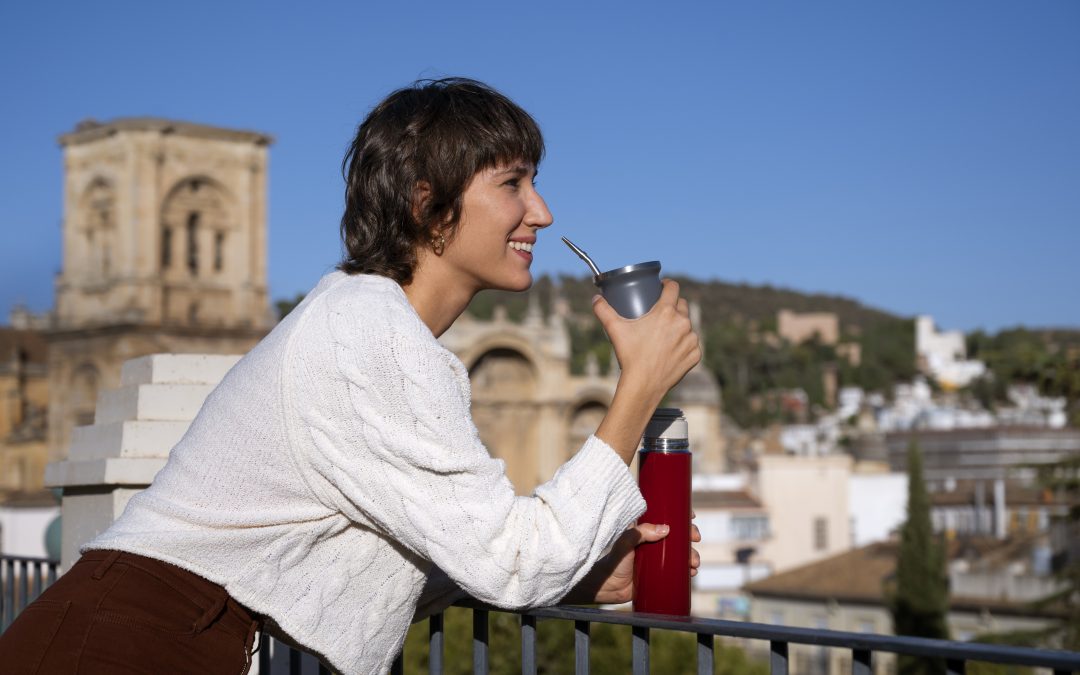
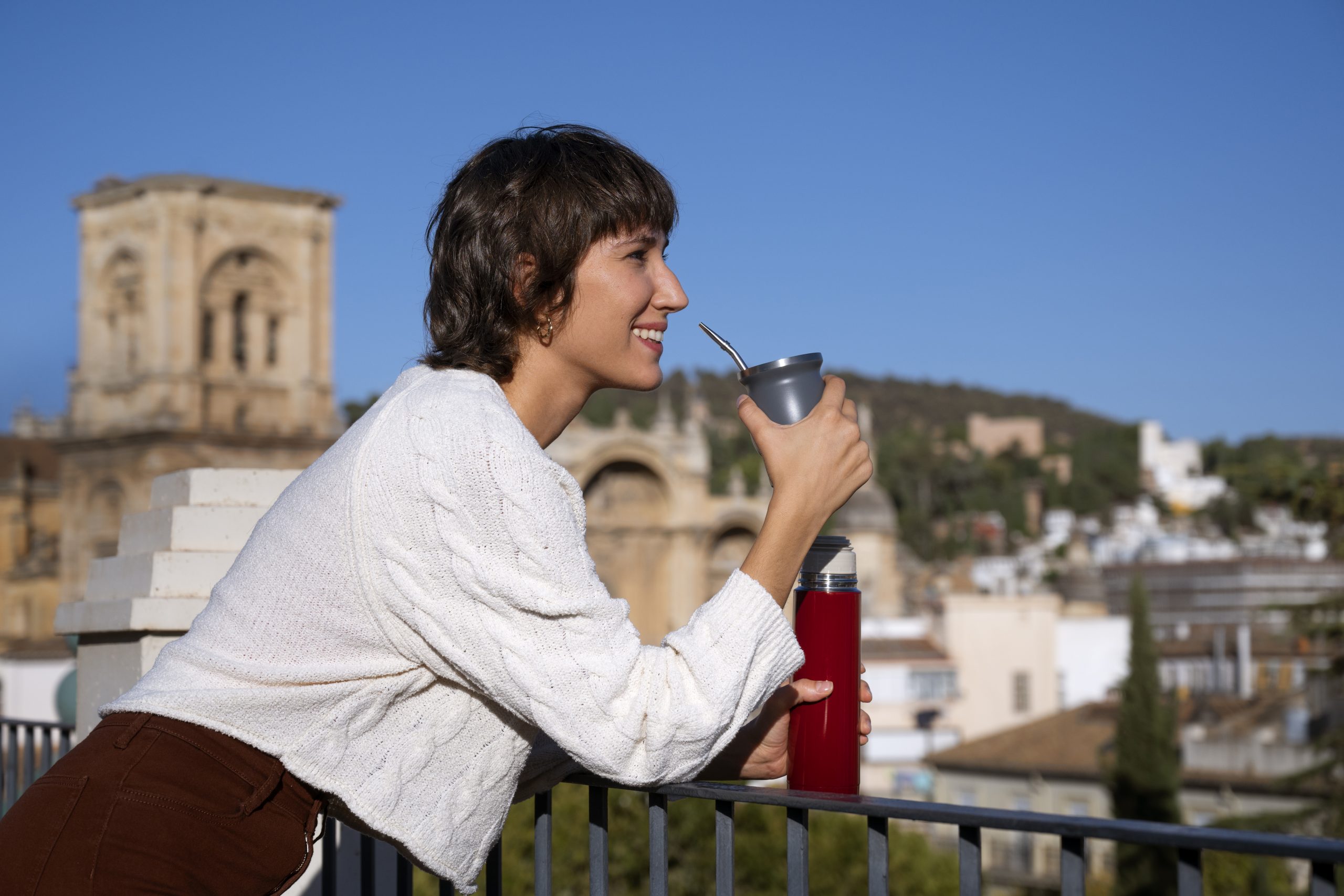
Mate is perhaps the most iconic of them all. More than a drink, it is a social ritual passed from hand to hand in a single gourd with a metal straw. You’ll often see groups of friends in parks or plazas chatting for hours with a thermos under one arm and a mate in the other. The taste can be intense at first, but the act of sharing it speaks volumes about Argentine hospitality and connection.
Another local favorite is Fernet con Coca, a cocktail made by mixing Fernet, a bitter herbal liqueur, with Coca-Cola. It is especially popular among younger crowds and at casual gatherings like barbecues. Almost every bar in the city serves it, particularly in lively neighborhoods such as Palermo where the night stretches on with conversation and laughter.
Wine also plays a central role in the city’s food culture, with Malbec standing as Argentina’s most celebrated variety. Known for its deep, full-bodied flavor, Malbec pairs beautifully with grilled meats and hearty dishes. Many restaurants offer excellent selections by the glass or bottle, and servers are often happy to help you choose a wine that complements your meal.
On warmer days, clericó offers something light and refreshing. Similar to sangria, it combines white wine with chopped seasonal fruit. Popular during the summer and often enjoyed outdoors, clericó is perfect for a relaxed afternoon or a festive evening with friends. It is served chilled in cafés and bars across the city and always brings a cheerful, easygoing vibe to the table.
Coffee culture in Buenos Aires is also strong and deeply rooted in daily life. From quick stops at the bar for an espresso to lingering over a café con leche in a corner café, coffee is both a habit and a ritual. Historic cafés like Café Tortoni blend rich flavor with old-world charm, making each visit feel like a step into the city’s living history. Whether you are starting your day or taking a quiet afternoon break, coffee offers a comforting pause in the middle of the city’s energy.
Every drink tells part of the Buenos Aires story. They are not only tastes to remember but also experiences that reflect the city’s identity, its pace, and its warmth. To sip what the locals sip is to understand the spirit of the city, one glass at a time.
Final Thought
From the communal ritual of mate to the rich taste of Malbec, Buenos Aires’ beverages tell the story of its people and traditions. These drinks are more than refreshments; they are cultural experiences shared among friends, passed down through generations, and deeply tied to daily life. If you’re inspired to go beyond tasting and want to explore the broader flavors of Argentina through cooking, Cook in Buenos Aires offers hands-on classes guided by a local chef. You’ll learn how to prepare traditional dishes in an authentic setting while discovering the ingredients, techniques, and stories that shape Argentine cuisine. It is a unique opportunity to engage with the culture in a personal and memorable way.
Be part of the experience!
The page you requested could not be found. Try refining your search, or use the navigation above to locate the post.
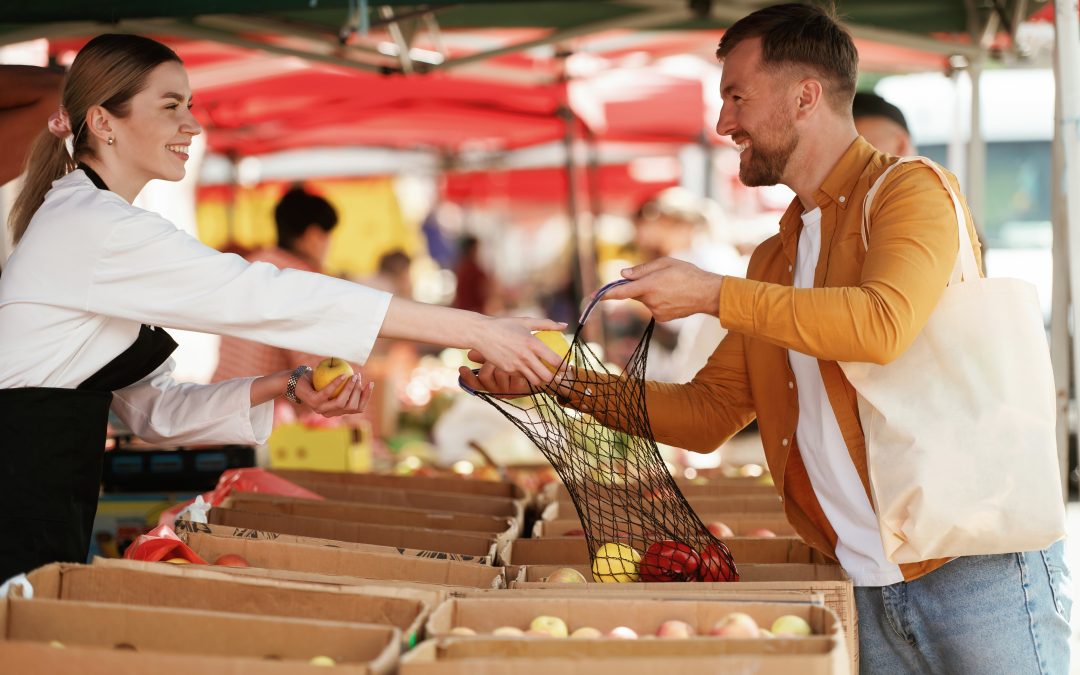
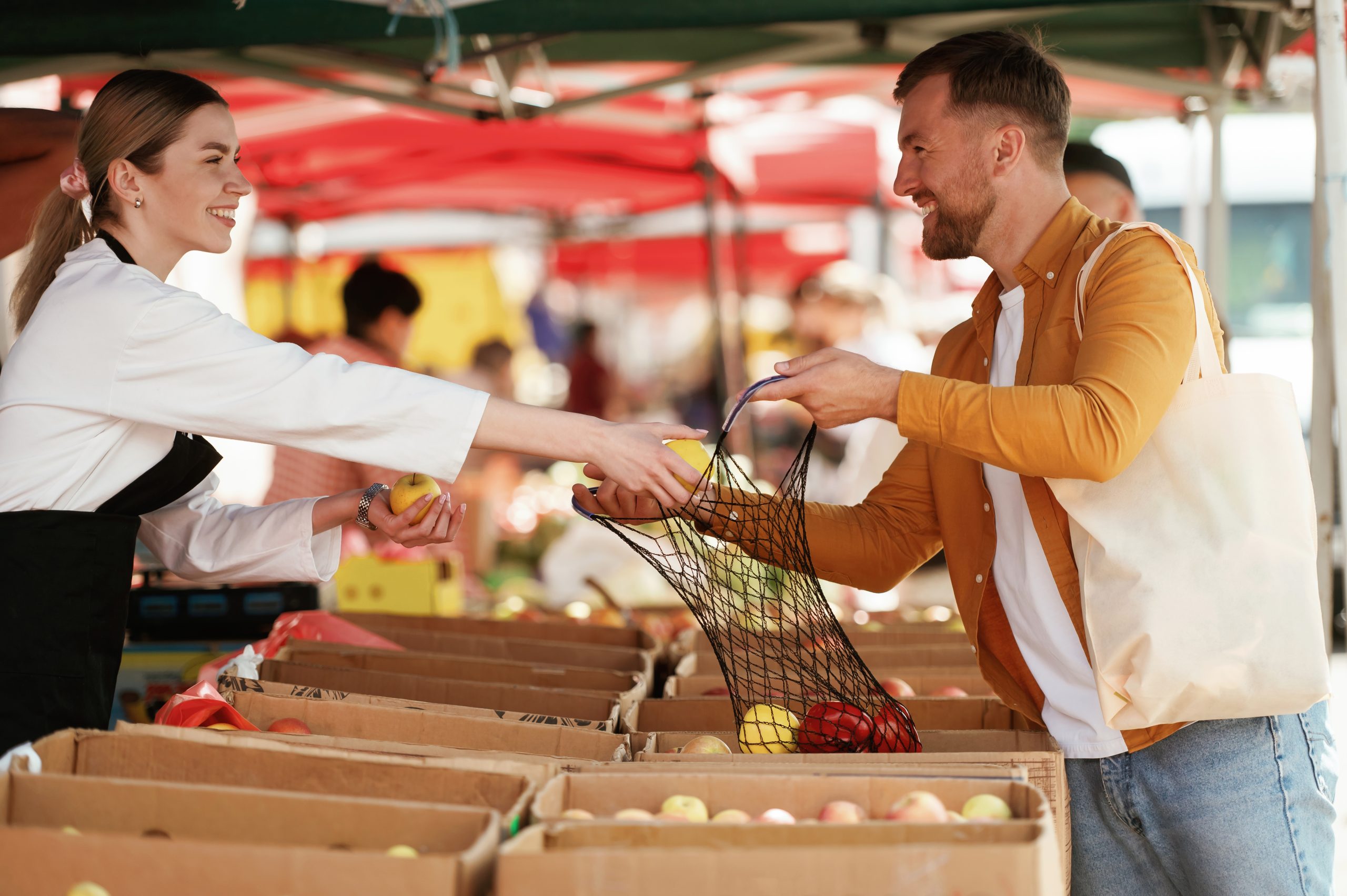
One of my favorite ways to connect with Buenos Aires’ culture was by wandering through its vibrant markets. These lively spaces aren’t just for shopping; they’re centers of food, tradition, and community. From historic market halls to weekend street fairs, each one offers a unique glimpse into local life and flavors you won’t find anywhere else. If you want to experience Buenos Aires the way locals do, these markets are the perfect place to begin.
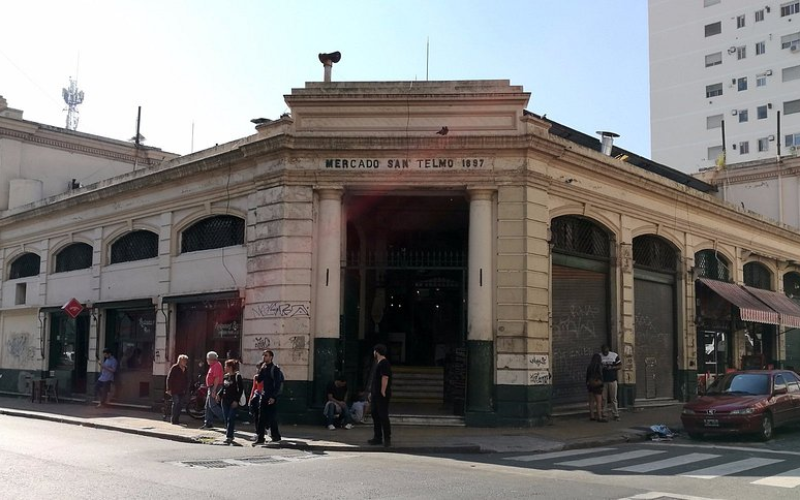
An iconic market housed in a beautiful 19th-century building, San Telmo Market is a must-visit. It offers fresh produce, gourmet foods, and a variety of ready-to-eat options, including empanadas and choripán. On Sundays, the surrounding streets come alive with artists, tango dancers, and street performers, making it a full cultural experience.
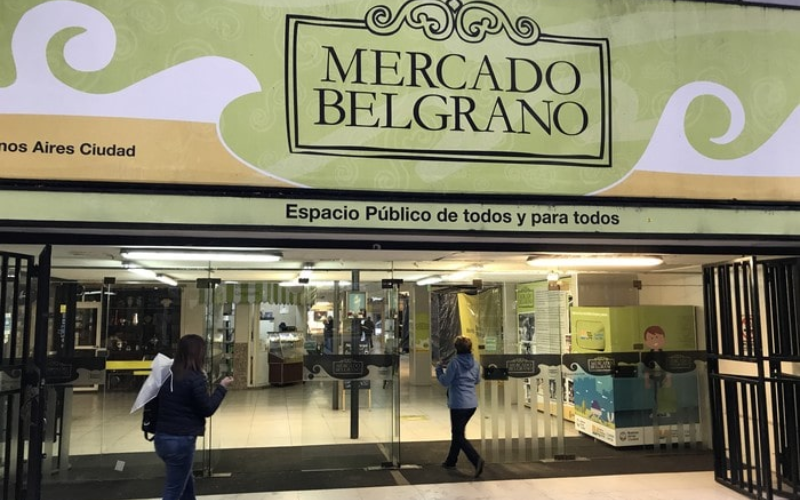
A local favorite, this market in the Belgrano neighborhood is where many Porteños shop weekly. Inside, you’ll find excellent cuts of meat, fresh vegetables, and cheeses. Several stalls serve traditional Argentine dishes like tortilla de papa and milanesa, perfect for a casual lunch among locals.
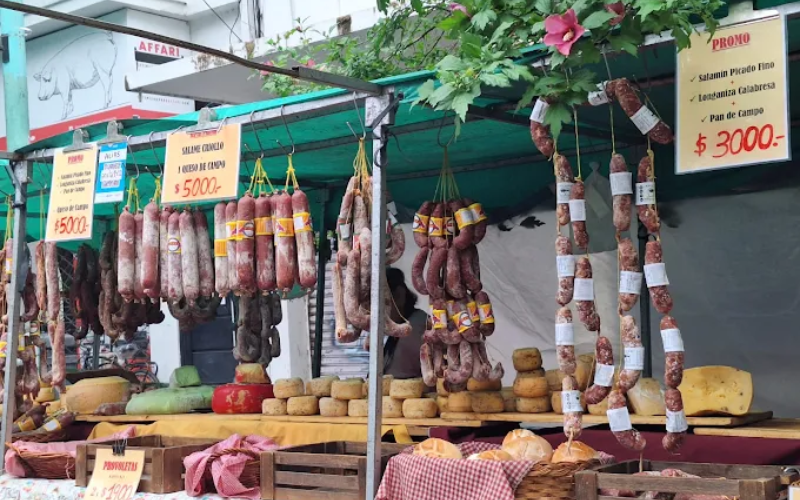
Held on Sundays, this outdoor fair celebrates Argentine folk traditions. Along with crafts and music, you can sample regional foods like locro (a hearty stew), humita (corn tamales), and empanadas salteñas. It’s a lively place to connect with Argentina’s rural heritage within the city.
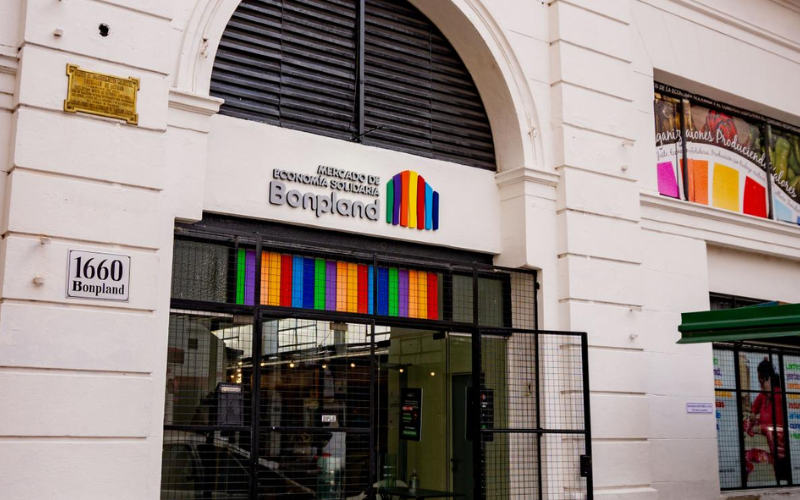
In Palermo Hollywood, Mercado Bonpland is popular for organic and artisanal products. Here you’ll find homemade pickles, sourdough bread, herbal teas, and vegan empanadas. It’s a relaxed spot for a slow meal or snack.
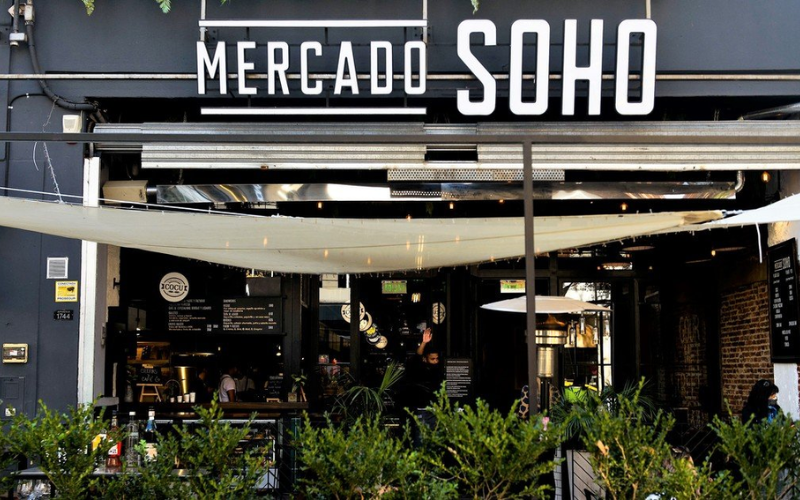
A smaller market in Palermo Soho offering a curated selection of local and international foods. It’s ideal for grabbing tapas or snacks while exploring the trendy neighborhood.
Final Thought
Buenos Aires markets are vibrant meeting points full of flavor, culture, and community spirit. Walking through their colorful stalls, you’re immersed in the scents, sounds, and textures that define the city’s food culture. If you want to take that experience a step further and explore how those flavors come together in the kitchen, Cook in Buenos Aires offers hands-on cooking classes led by a local chef. You’ll prepare authentic Argentine dishes in a warm and welcoming setting, learning techniques and stories that bring the country’s culinary identity to life. It’s a meaningful way to connect with the culture and take a delicious part of your trip home with you.
Reserve your seat at the table!
The page you requested could not be found. Try refining your search, or use the navigation above to locate the post.


During my first nights wandering Buenos Aires, I quickly realized that the city’s food culture doesn’t slow down when the sun sets. In fact, some of the best local dishes truly come alive late at night, perfect for night owls and anyone craving something hearty after an evening out. One of the first dishes I tried was milanesa a caballo, a breaded beef or chicken cutlet topped with a fried egg and typically served with mashed potatoes or fries. It is comfort food at its finest. I remember ordering it at Café de García in Villa Devoto, a lively neighborhood spot where the warm atmosphere matched the generous portions on every plate.
Soon after, I discovered the city’s distinct pizza culture. Here, slices are thick and cheesy, and locals often add a slice of fainá on top, a savory flatbread made from chickpea flour. This pairing is a staple after a night out, and places like El Cuartito and Guerrin stay open late, serving the classic combo to groups of regulars and curious visitors alike.
Another favorite of mine is the lomo completo, a steak sandwich piled high with lettuce, tomato, ham, cheese, a fried egg, and sometimes bacon, all tucked inside a crusty roll. It is rich, messy, and deeply satisfying. I still think about the one I had at La Rambla in Recoleta, one of the city’s go-to spots for late-night bites.
Of course, no list of Buenos Aires snacks would be complete without empanadas. These handheld pastries are always a safe and satisfying choice, no matter the time of day. Many bakeries and empanaderías stay open around the clock, making it easy to grab your favorite filling on the go. I especially love the traditional options at La Cocina in Palermo and El Sanjuanino in Recoleta.
To end the night on a sweet note, locals often turn to postres caseros, or homemade desserts. Flan with dulce de leche or panqueques are among the most popular choices. For something a little more refined, Las Pizarras Bistro in Palermo offers elevated versions of these comforting classics, served in a cozy, relaxed setting that’s perfect for winding down.
Final Thought
Buenos Aires comes alive after dark, and its food culture is no exception, offering plenty to satisfy late-night cravings with warmth and flavor. And while nothing beats enjoying these comforting dishes in the heart of the city, learning to cook like a local is the next best thing. At Cook in Buenos Aires, our cooking classes led by a local chef invite you to dive into the city’s culinary traditions through hands-on experience. Whether it’s a hearty meal, a street food classic, or a lesser-known regional recipe, each class brings a new layer of Argentine culture to life and gives you the tools to bring that flavor home with you.
Come cook with us!
The page you requested could not be found. Try refining your search, or use the navigation above to locate the post.
Your content goes here. Edit or remove this text inline or in the module Content settings. You can also style every aspect of this content in the module Design settings and even apply custom CSS to this text in the module Advanced settings.
The page you requested could not be found. Try refining your search, or use the navigation above to locate the post.