No Results Found
The page you requested could not be found. Try refining your search, or use the navigation above to locate the post.

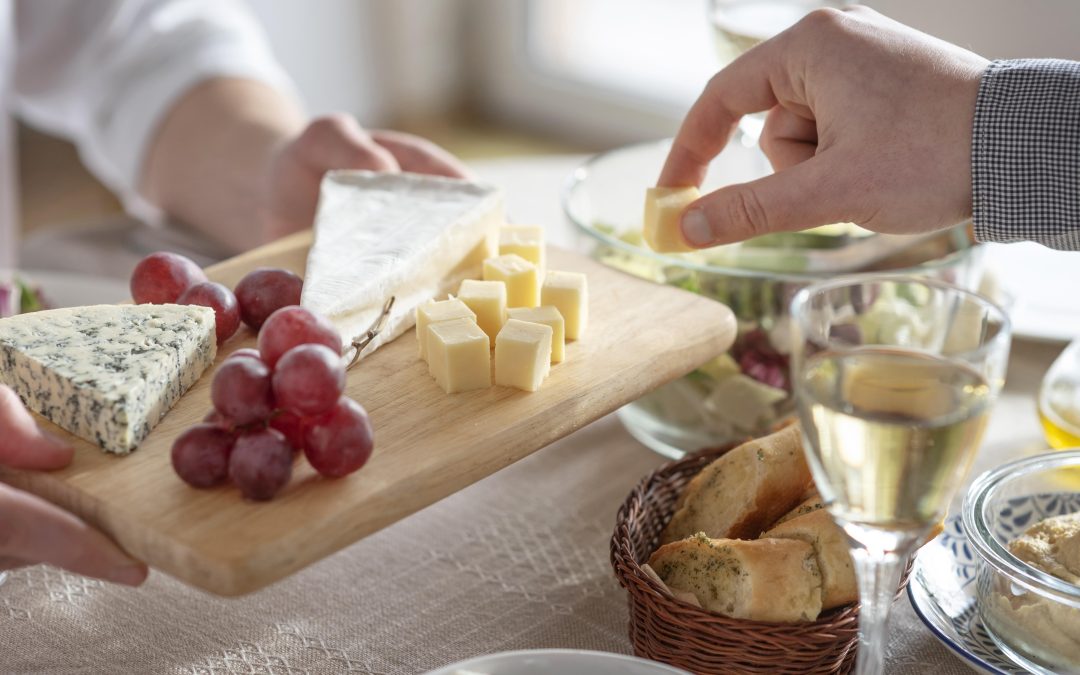
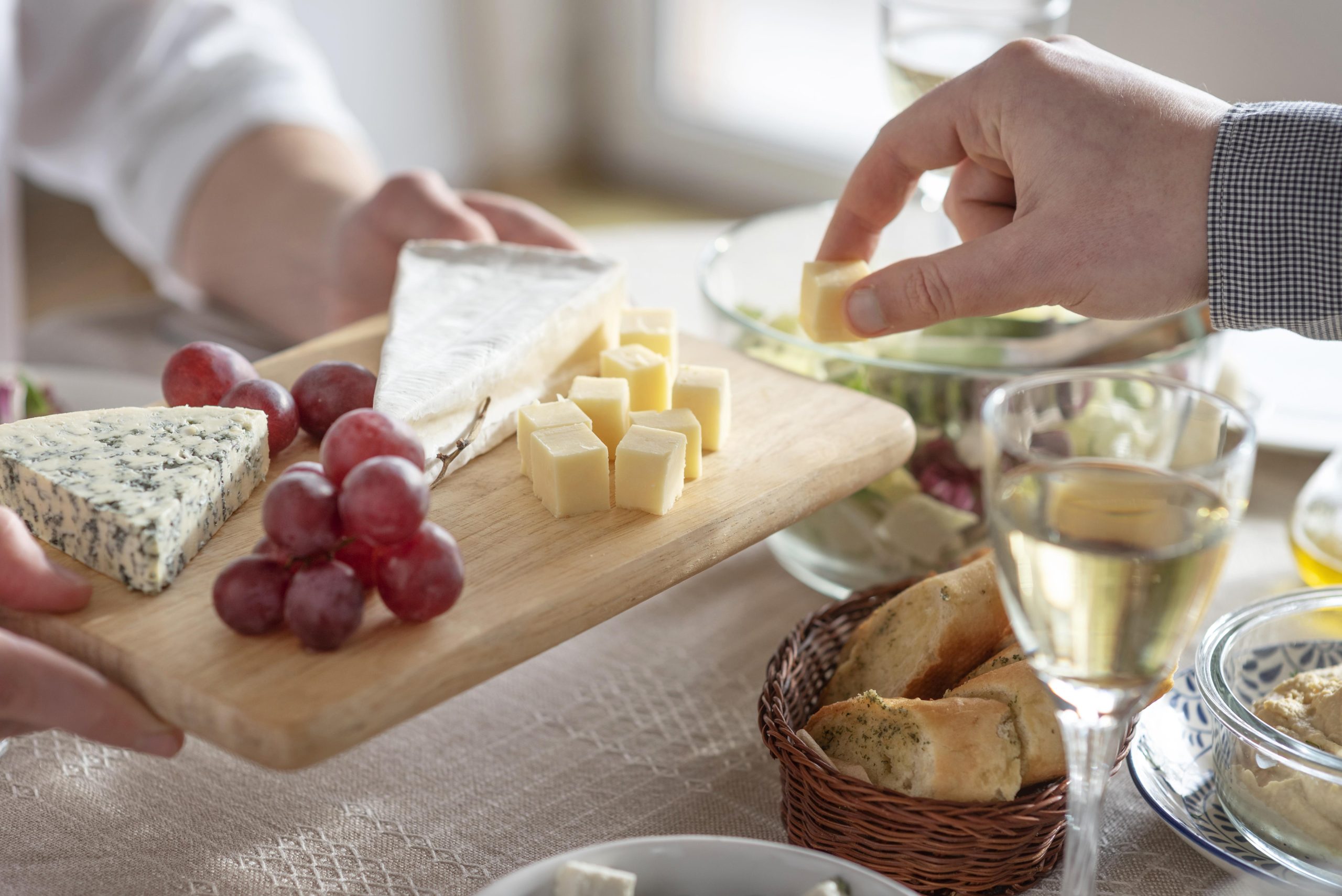
Cheese may not be the first thing that comes to mind when you think of Chilean cuisine, but ask any local, and they’ll tell you it plays a quiet but essential role in everyday meals. From fresh, creamy varieties to tangy, aged options, Chilean cheeses are loved for their simplicity and versatility.
Here’s a guide to the most popular types of Chilean cheese and how locals enjoy them.
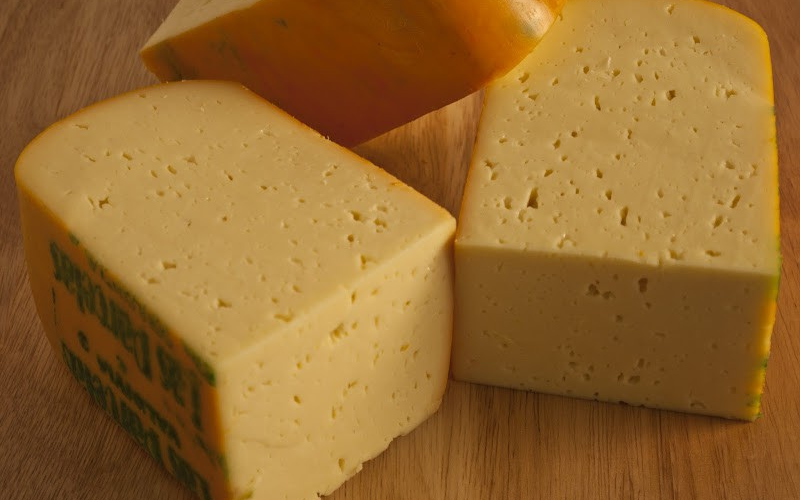
This soft, semi-aged cheese is a household staple in Chile. Mild, creamy, and with just a hint of tanginess, queso chanco melts beautifully, making it ideal for sandwiches, empanadas, or melted over hot dishes.
You’ll spot it everywhere, from breakfast tables to casual dinners, and it’s often the first cheese people reach for when cooking comfort foods.
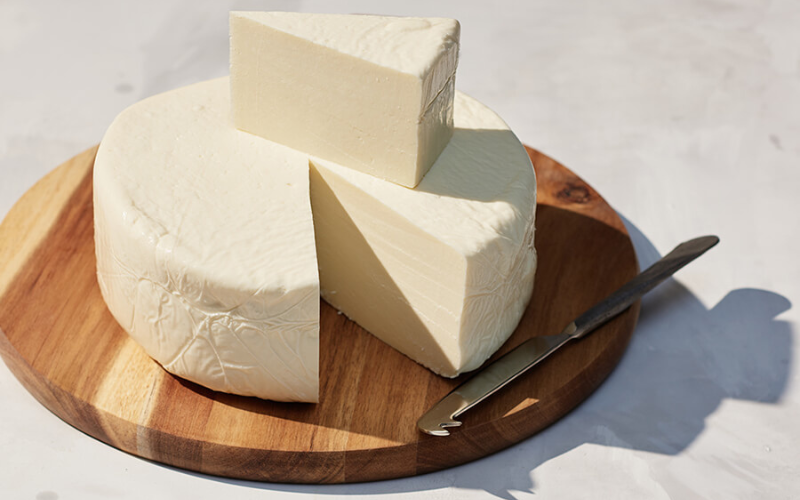
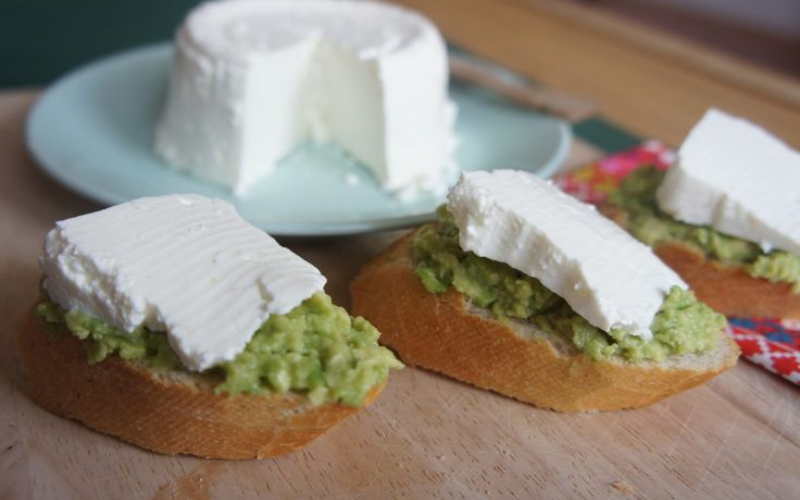
True to its name, queso fresco is a fresh, soft cheese with a clean, delicate flavor. It’s lightly salted and pairs perfectly with fruits, salads, or simply a slice of bread with a drizzle of honey or jam.
It’s a familiar sight at farmers’ markets, especially in smaller towns, where many families still make their own. This kind of fresh, rustic ingredient is exactly what’s celebrated in traditional Chilean cooking.
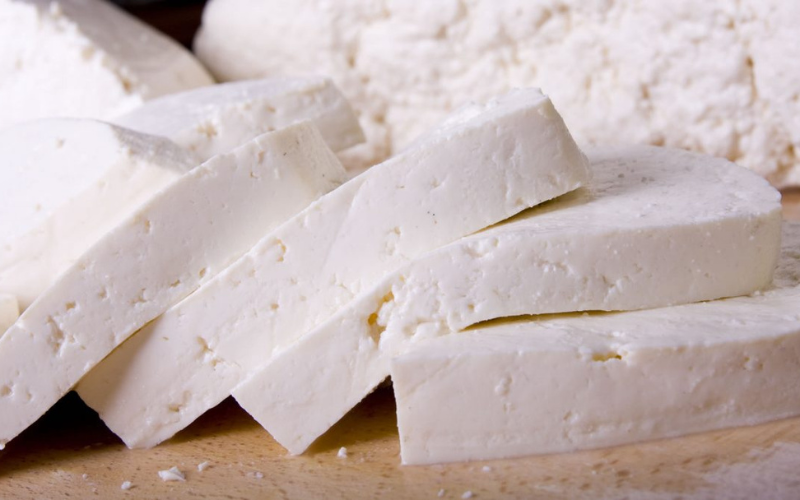
Quesillo has a texture somewhere between fresh mozzarella and cottage cheese, slightly crumbly but moist and rich. It’s frequently crumbled into salads or used as a filling in empanadas de queso, adding creaminess to otherwise simple dishes.
Goat cheese varies by region, but it tends to be firm, slightly crumbly, and with a distinctive tang. In northern Chile, fresh versions are common, while in the south, aged versions with sharper notes are popular. Many families enjoy it with fresh bread and olives or as part of an afternoon once (tea-time snack), a beloved Chilean ritual.
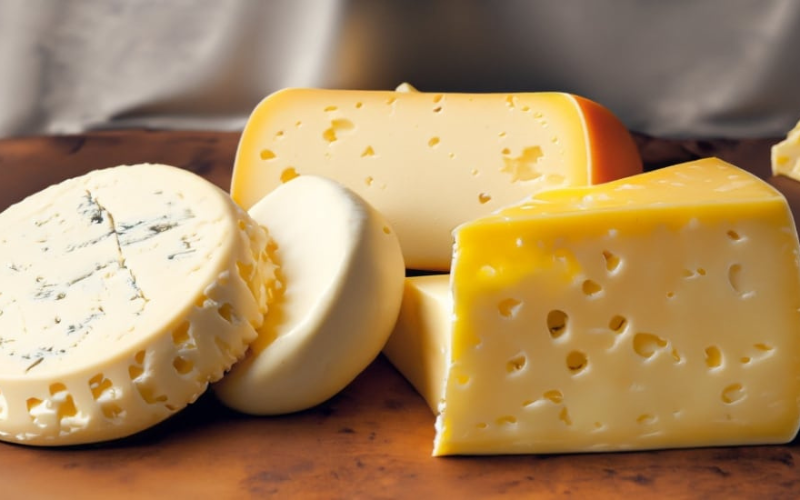
Over the past decade, a new wave of artisan cheesemakers has begun experimenting with bold, aged cheeses, often inspired by European styles but rooted in local ingredients. These cheeses, which range from nutty to sharp, are gaining attention at farmers’ markets and specialty shops in cities like Santiago and Valdivia. While they’re still relatively new to many Chilean tables, they reflect a growing pride in local food traditions and a desire to preserve them in modern ways.
In Chile, cheese isn’t just reserved for fancy boards or wine pairings. It is part of everyday meals, whether melted into a hearty casserole, stuffed inside an empanada, or served simply with fresh bread, avocado, and tea. Local markets often reveal a treasure trove of homemade cheeses from small producers. Many of the best are unlabeled, sold directly by the hands that made them, and carry the taste of tradition in every bite.
Many locals grow up incorporating cheeses like queso fresco into their cooking routines, learning from family recipes and using ingredients that feel familiar and accessible. Cook in Chile offers the chance to experience that same connection to food. In each class, you will step into a welcoming kitchen and explore the flavors that shape everyday Chilean cooking. You will come away with a deeper understanding of the country’s culinary soul.
Connect with Chile through the food locals truly love.
The page you requested could not be found. Try refining your search, or use the navigation above to locate the post.
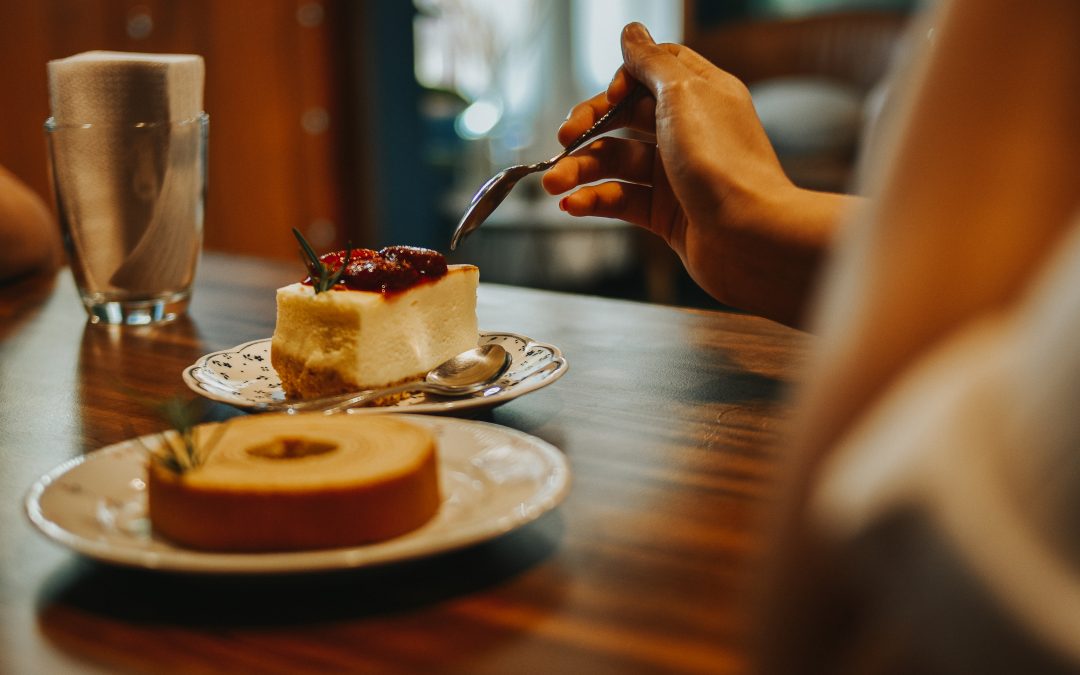
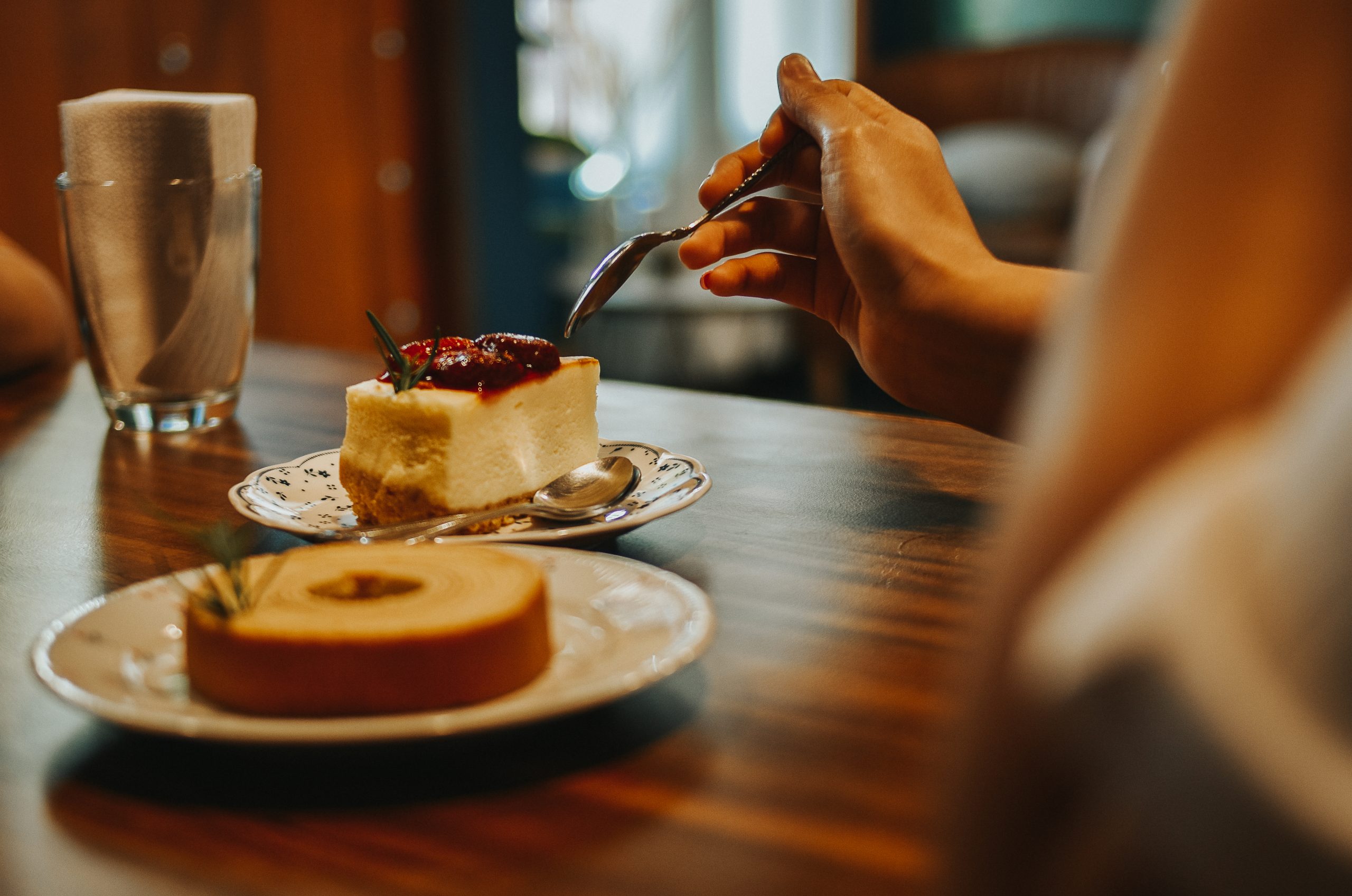
Chile is often praised for its seafood, wines, and hearty dishes, but its desserts deserve just as much attention. Rooted in tradition and shaped by the country’s diverse cultural influences, Chilean sweets are comforting, nostalgic, and often surprising to first-time visitors.
If you’ve got a sweet tooth, or simply love trying new treats, here are seven unique Chilean desserts that might not be on your radar yet, but absolutely should be.

Think of leche asada as Chile’s version of flan, but with a firmer texture and a toasted top. This simple baked custard is made with eggs, milk, and sugar, then baked until it’s slightly caramelized on top. It’s creamy, sweet, and deeply satisfying.
Where to try: Traditional restaurants and markets throughout the country, almost every Chilean has a family recipe for it.
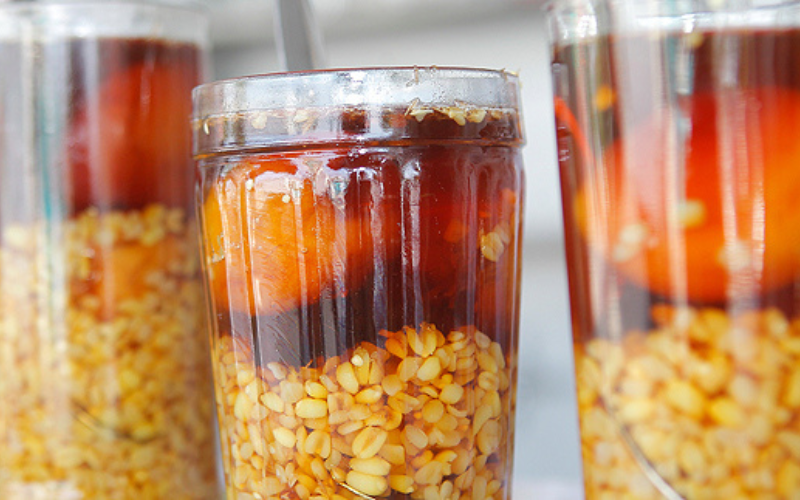
Although often considered a drink, mote con huesillo is also treated as a dessert, thanks to its sweet, syrupy richness. This mix of stewed dried peaches and husked wheat soaked in a spiced syrup is enjoyed especially in the summer.
Where to try: Street vendors in cities like Santiago, especially during hot afternoons near parks and plazas.
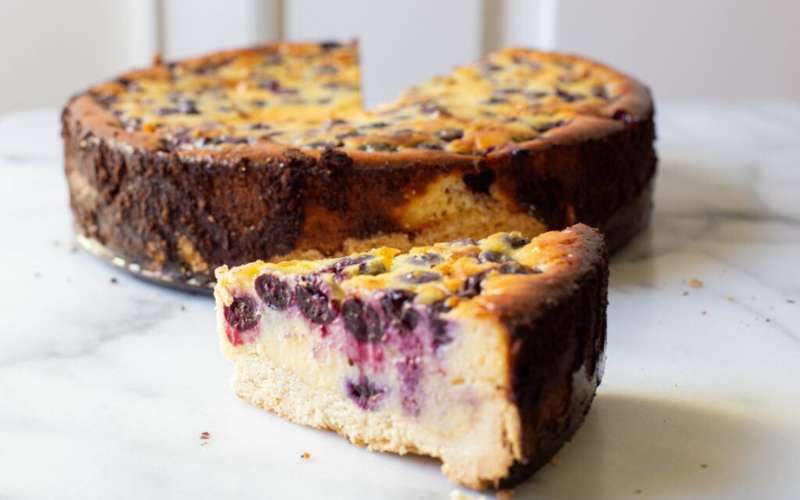
Introduced by German immigrants in the south of Chile, kuchen refers to a wide range of fruit-based cakes and tarts. Expect flavors like apple, raspberry, or rhubarb, often with a crumbly, buttery crust.
Where to try: Head to towns like Frutillar and Puerto Varas, where kuchen is a beloved part of local culture.
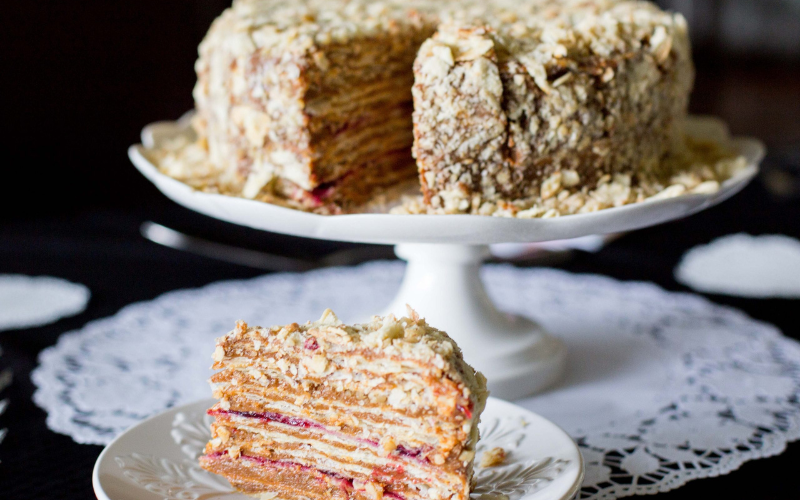
This rich layer cake, known as the “thousand-layer cake,” lives up to its name with numerous thin, flaky pastry layers held together by manjar (similar to dulce de leche). It’s dense, sticky, and utterly decadent.
Where to try: Bakeries throughout Santiago and central Chile often sell slices or full cakes.
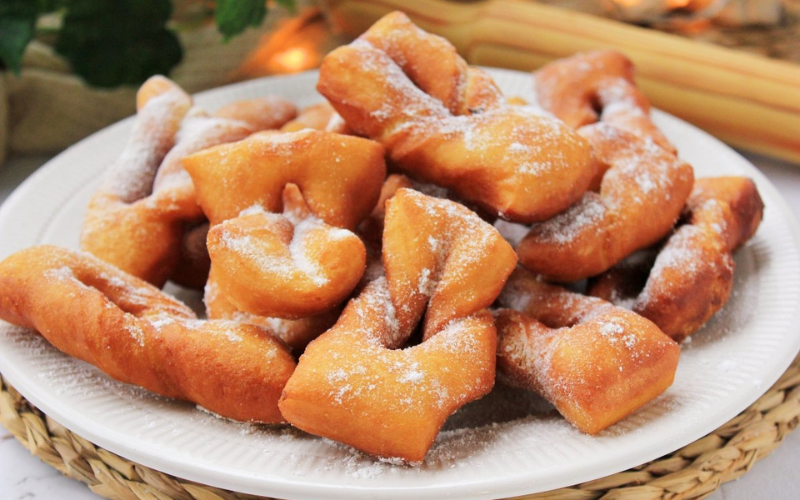
Literally translating to “torn underwear” (don’t worry, it’s tastier than it sounds), these fried pastries are dusted with powdered sugar and typically enjoyed during Chile’s colder months. They’re crispy on the outside and soft inside, with a slight hint of citrus.
Where to try: Often sold at fairs and markets, especially during winter.
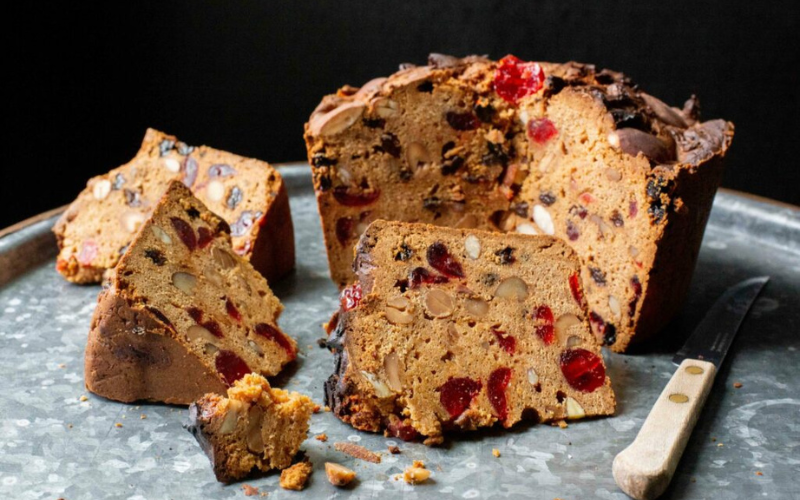
Chile’s take on holiday fruitcake, pan de pascua is rich with spices, candied fruits, and nuts. It’s typically served at Christmas alongside a cup of hot cola de mono (a local holiday drink similar to spiked coffee milk).
Where to try: During December, you’ll see this everywhere, from bakeries to supermarkets.
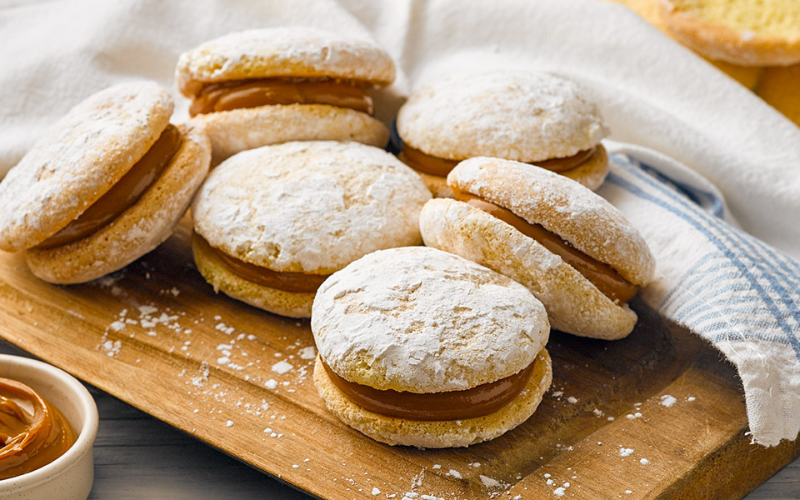
These soft sandwich cookies, filled with manjar and dusted generously with powdered sugar, are light, airy, and perfectly sweet. They practically melt in your mouth.
Where to try: Small bakeries and family-run cafés, especially in southern Chile.

Many Chilean desserts are closely tied to family traditions and celebrations, and they’re often best enjoyed with a cup of tea or coffee, and plenty of conversation.
If you spot something unfamiliar in a bakery or café, don’t hesitate to ask about it. Chances are, it has a story behind it.
Many Chilean desserts come from simple, home-style recipes made with just a few ingredients, and that is exactly what makes them so comforting. These sweets are part of everyday life, filled with stories, traditions, and the familiar taste of home. From pastries filled with manjar to fruit-based treats enjoyed on summer afternoons, desserts reveal a lot about Chilean culture and how food brings people together.
Curiosity in the kitchen is always rewarded, and Cook in Chile offers a space to explore that curiosity through hands-on cooking experiences. Each class invites you to connect with local flavors, learn traditional techniques, and take a deeper look into the culinary identity of Chile.
Explore Chilean culture through food.
The page you requested could not be found. Try refining your search, or use the navigation above to locate the post.
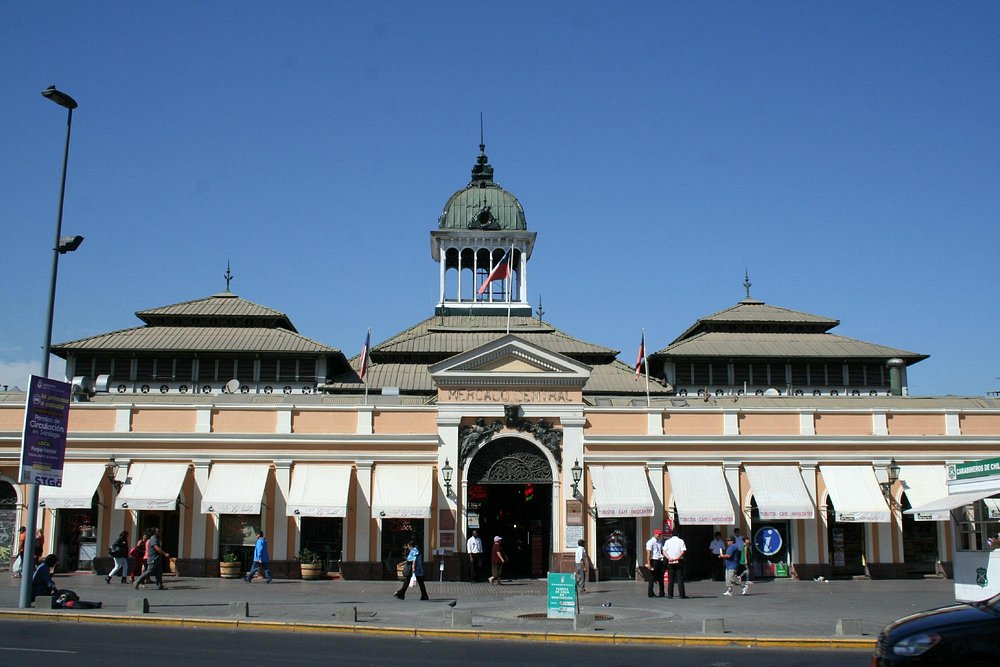
If there’s one place where Chile’s vibrant food culture truly comes alive, it’s in its markets. And Santiago, the country’s capital, is full of them. Here, food isn’t just about ingredients; it’s about community, history, and everyday life.
Exploring these bustling markets is an essential experience for anyone interested in Chilean cuisine. You’ll find everything from exotic fruits and fresh seafood to street snacks and handmade products, all in one lively, colorful space.
Here are some of the best food markets in Santiago to visit, whether you’re looking to shop, eat, or simply soak up the atmosphere.
Often called the heart of Santiago’s culinary scene, La Vega Central is where locals do their grocery shopping and where chefs go to find the freshest ingredients.
Walking through its endless aisles, you’ll see stacks of seasonal fruits, mountains of avocados, vibrant herbs, and just about every vegetable you can imagine. There are also stands selling fresh cheese, nuts, spices, and meat.
But La Vega isn’t just about shopping. It’s also a fantastic place to grab a quick meal. You’ll find small eateries, known as “picadas,” serving classic Chilean dishes like cazuela, pastel de choclo, and hearty stews. The prices are usually very affordable, and the food is homemade and comforting.
Tip: Go early in the morning to avoid crowds and see the market at its most lively.
For seafood lovers, Mercado Central is a must. Located in a beautiful historic building near the Mapocho River, this market specializes in fresh fish and shellfish, straight from the coast.
Inside, you’ll find an impressive selection of seafood, including clams, mussels, crab, sea urchin, and conger eel. Local vendors are usually happy to offer tips on how to cook their products.
Several restaurants are located inside the market, offering classic Chilean seafood dishes like caldillo de congrio, machas a la parmesana, and ceviche. While some spots are touristy, there are still plenty of places with authentic flavors and fair prices.
Tip: If you want a more local vibe, head to the smaller restaurants toward the edges of the market.
If you want a more laid-back and less touristy experience, Feria de La Reina is a great option. This outdoor market, held on weekends in the La Reina neighborhood, focuses on organic produce, artisanal goods, and homemade products.
Here, you’ll find everything from fresh-baked bread and cheese to herbal teas and handmade preserves. Many vendors sell ready-to-eat dishes, such as empanadas, pastries, and soups, making it a great place for a relaxed lunch.
The atmosphere is friendly, and it’s common to see families spending the morning shopping and eating together.
Visiting Santiago’s food markets isn’t just about trying new flavors. It is an invitation to step into the rhythm of local life, where ingredients are carefully chosen, recipes are passed down through generations, and food is a daily expression of culture and care. These markets reflect the deep connection Chileans have with what they eat, from the freshness of seasonal produce to the pride behind every home-cooked meal.
If walking through the stalls has sparked your curiosity, Cook in Chile offers the perfect next step. In our hands-on cooking classes, you’ll learn how to transform local ingredients into traditional Chilean dishes, guided by chefs who know these flavors by heart. It is more than a lesson; it is a chance to cook like a local and take the market’s vibrant energy into the kitchen.
Join Cook in Chile and turn market finds into unforgettable meals.
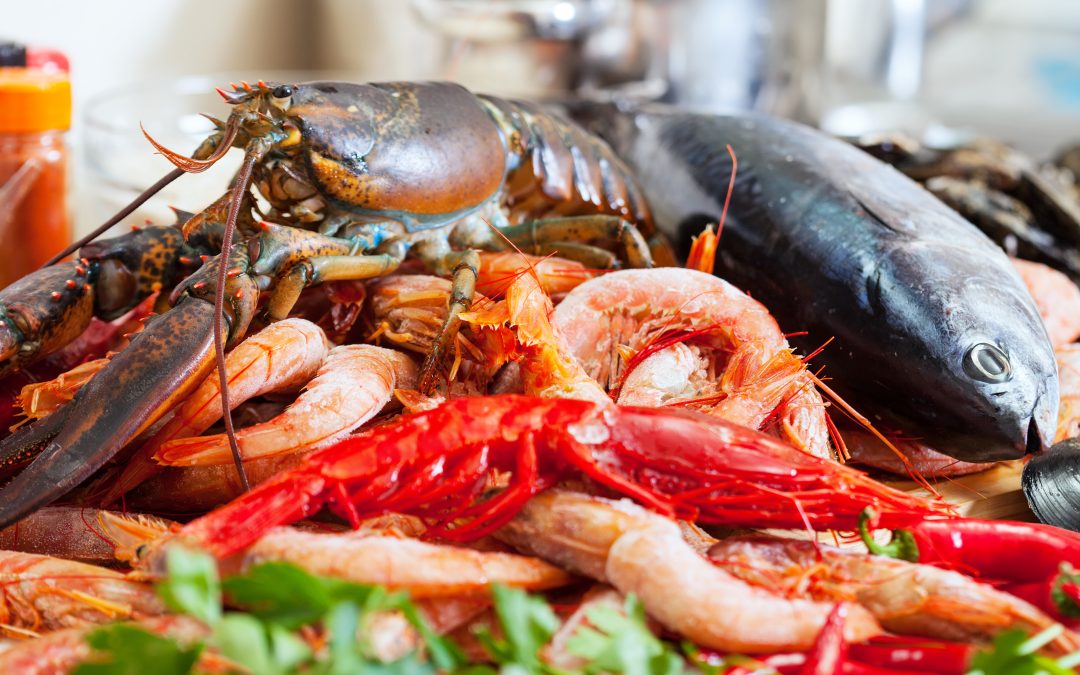
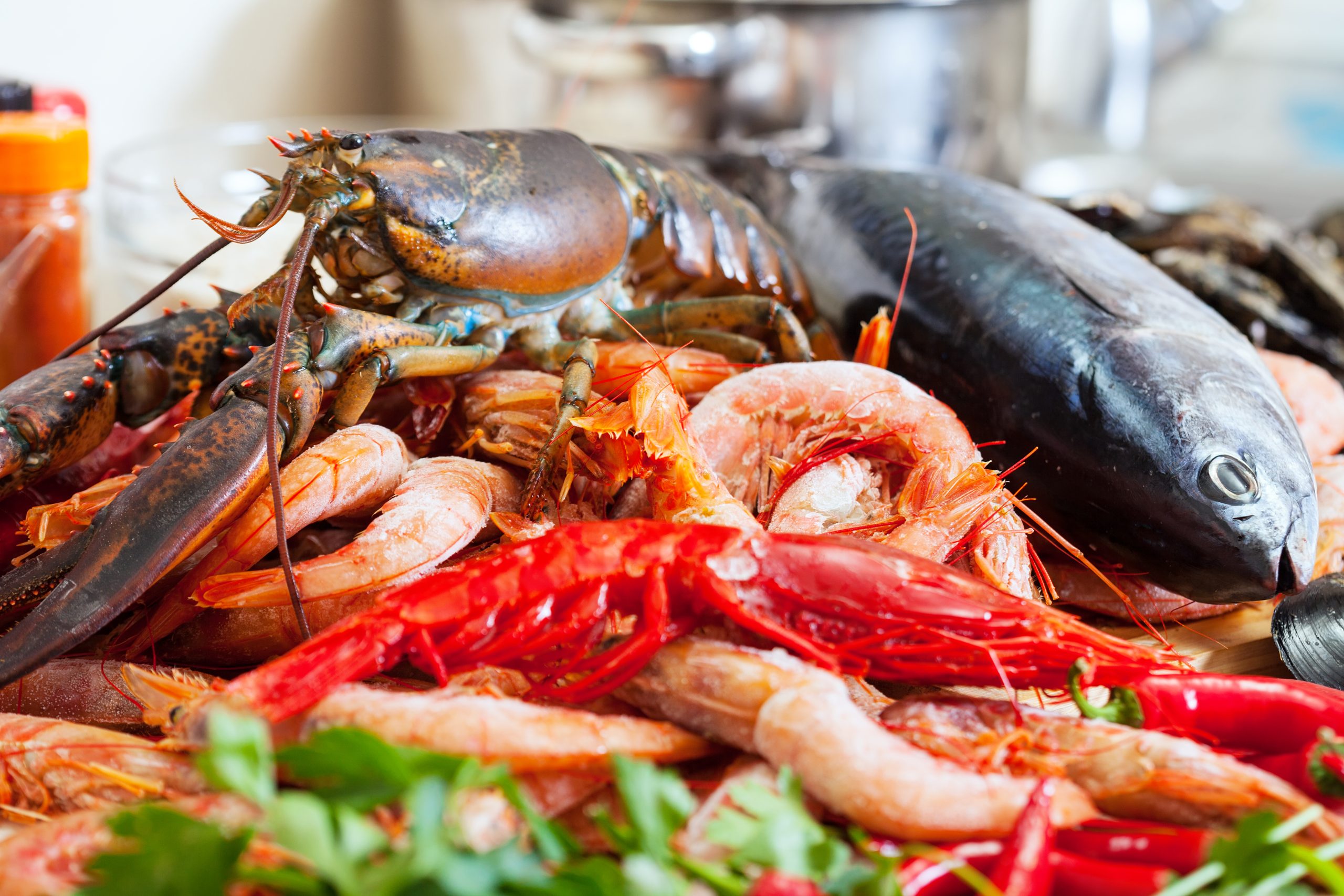
With more than 4,000 kilometers of coastline, it’s no surprise that Chile is a seafood paradise. From tiny fishing villages to bustling markets in larger cities, fresh fish and shellfish are central to local life, and the dishes served along the coast reflect that deep connection to the sea.
If you’re a seafood lover, here are some of the must-try dishes you’ll find along Chile’s shores and where to taste them.
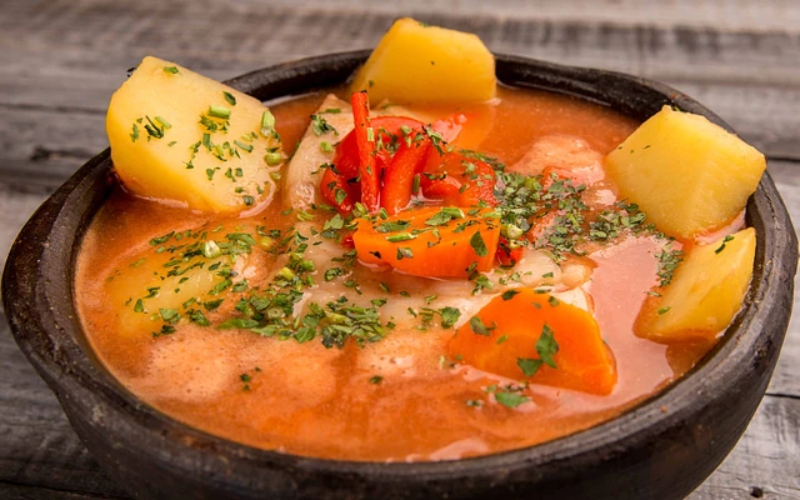
This hearty fish stew is one of Chile’s most beloved seafood dishes, and it’s also the subject of a famous poem by Pablo Neruda.
Made with congrio (conger eel), potatoes, onions, carrots, and herbs in a rich broth, this dish is warm, comforting, and full of deep flavors. It’s the perfect meal after a day exploring the coastline.
Where to try: Valparaíso and Puerto Montt are known for their excellent versions of caldillo de congrio. Look for small family-run restaurants near the ports.
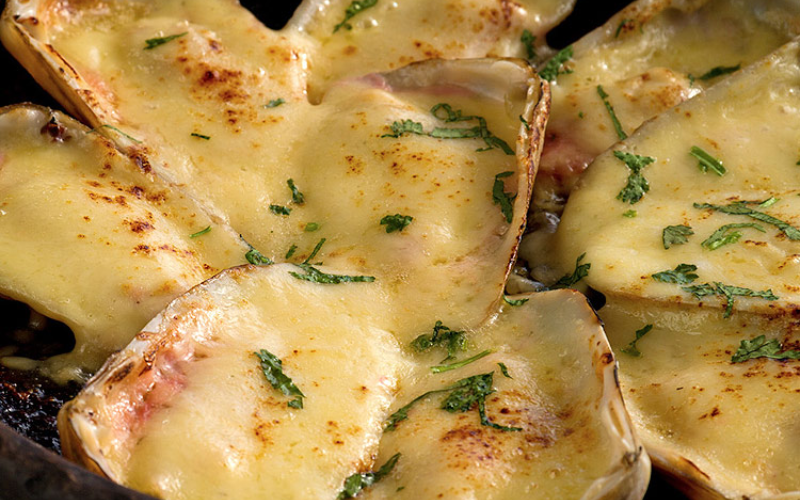
If you’re in the mood for something indulgent, order machas a la parmesana, razor clams baked with butter, white wine, and plenty of melted Parmesan cheese. They’re rich, salty, and perfect alongside a glass of crisp white wine.
Where to try: Coastal cities like La Serena and Viña del Mar are famous for this dish, often served as a starter in seafood restaurants.
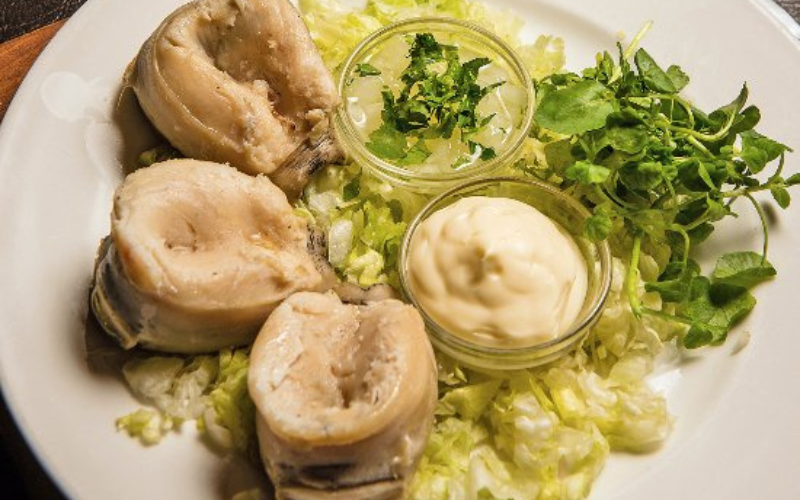
Locos are a type of large sea snail native to Chile’s waters. They’re served chilled, sliced, and accompanied by homemade mayonnaise and a squeeze of lemon. Simple, but incredibly tender and flavorful.
Where to try: Restaurants along the coast in towns like Coquimbo and Constitución often serve fresh locos.
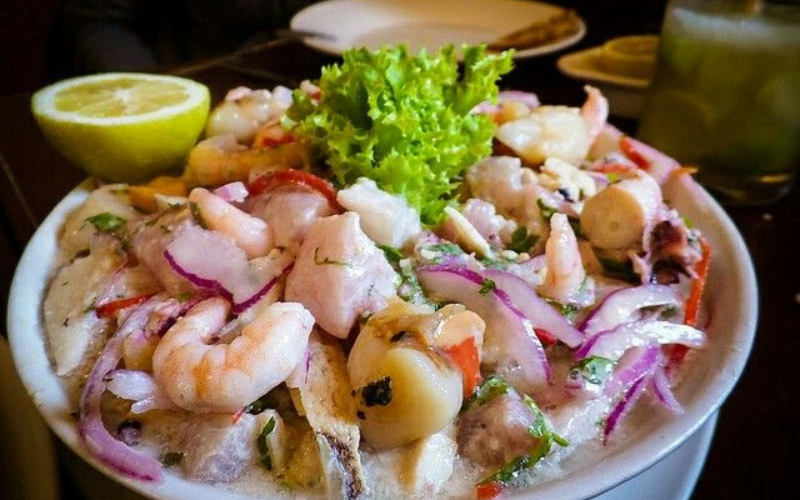
Every country has its own version of ceviche, and Chile’s take is light, refreshing, and bursting with citrus.
Usually made with white fish like reineta or corvina, Chilean ceviche features lemon juice, onions, cilantro, and just a hint of spice. It’s perfect as a starter or even as a light main dish on a hot day.
Where to try: Visit seafood markets like Mercado Central in Santiago or the Angelmó market in Puerto Montt for freshly made ceviche.
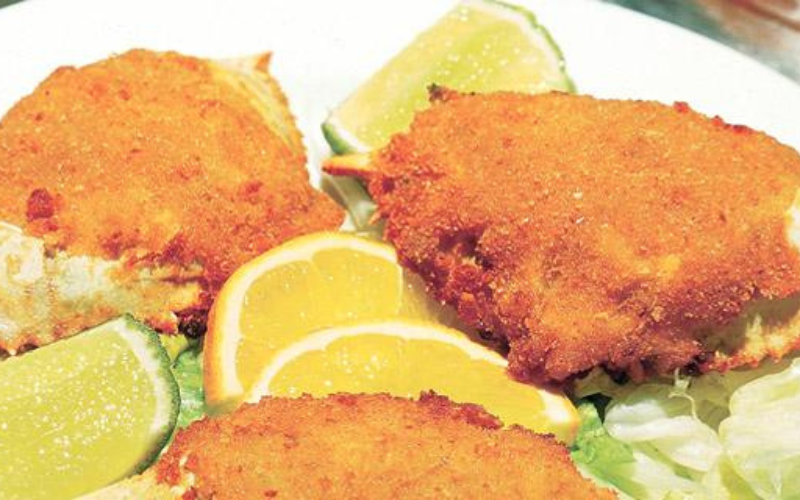
A comforting dish often found in coastal homes and small restaurants, jaibas rellenas are stuffed crabs baked with breadcrumbs, cheese, and spices. They’re creamy, savory, and absolutely satisfying.
Where to try: Smaller seaside towns such as Pichilemu and Constitución often serve this dish in local eateries.
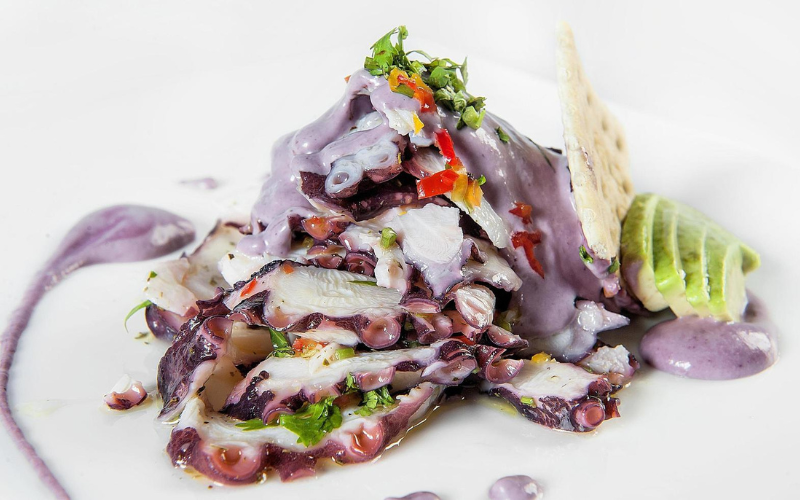
As you explore Chile’s coast, you’ll likely stumble upon other delicious dishes and fresh catches of the day, including:
Each region offers its own specialties, depending on what’s freshly caught.
Cook with us!
Don’t hesitate to ask locals for their favorite seafood dishes or go-to restaurants. Many of the best places to eat along Chile’s coast are not flashy or touristy. They are small, family-run spots where recipes have been passed down through generations, and every dish is prepared with care. One of the most exciting things about Chilean seafood is how simple it can be: fresh ingredients, a handful of seasonings, and techniques that let the natural flavors shine.
If this kind of cooking speaks to you, Cook in Chile offers a hands-on way to explore it further. In our classes, you’ll learn how to work with local seafood, discover traditional techniques, and prepare dishes that reflect the soul of Chile’s coastline. Whether you’re a curious beginner or an experienced home cook, it’s a chance to bring the spirit of coastal Chile into the kitchen.
Book now!
The page you requested could not be found. Try refining your search, or use the navigation above to locate the post.
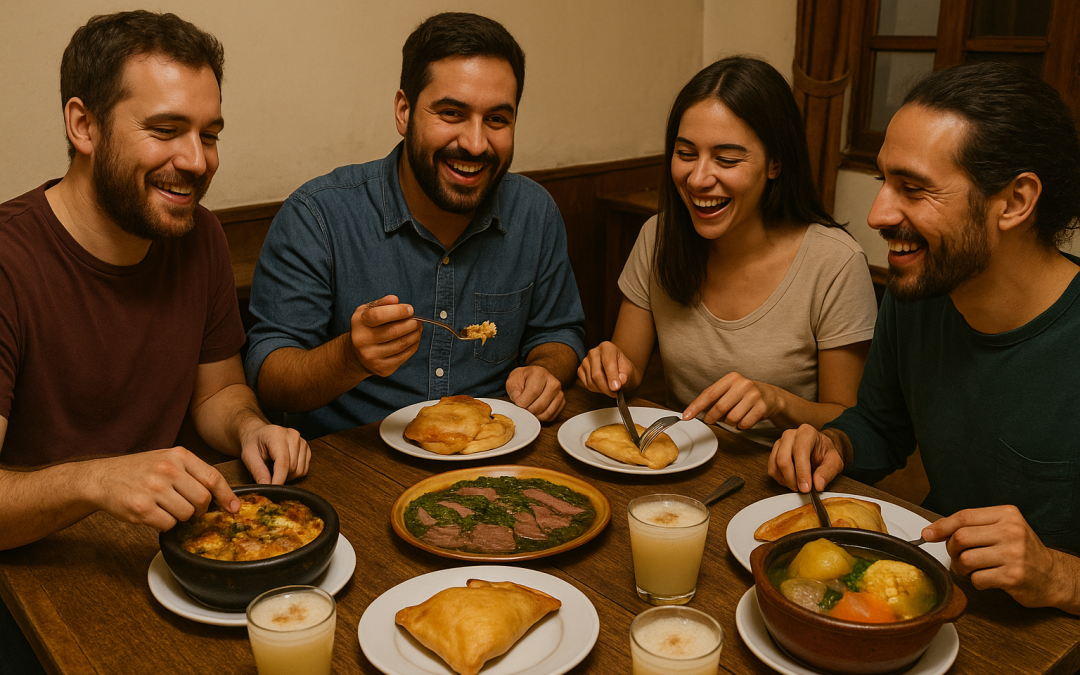
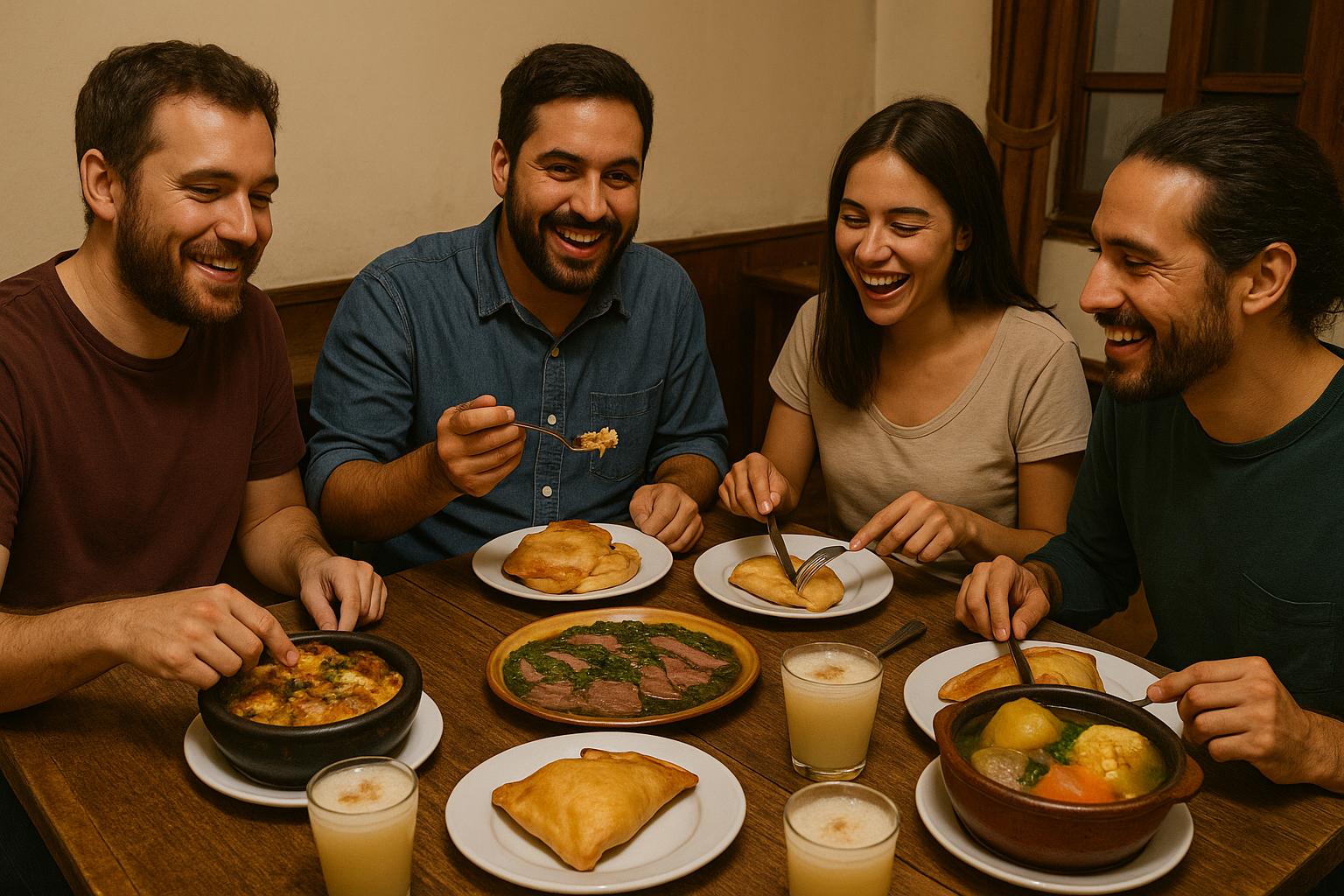
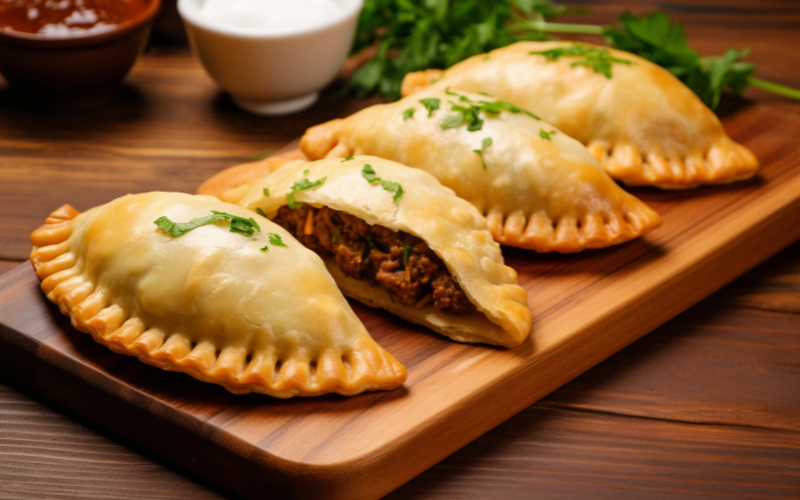
You’ll find empanadas across Latin America, but in Chile, they’re something special. The traditional “empanada de pino” is stuffed with minced beef, onions, black olives, hard-boiled eggs, and sometimes even raisins. Baked in a wood-fired oven, it’s crispy on the outside and juicy inside. Tip: Try it fresh from a street vendor or a local bakery , it’s a classic snack for Chileans.
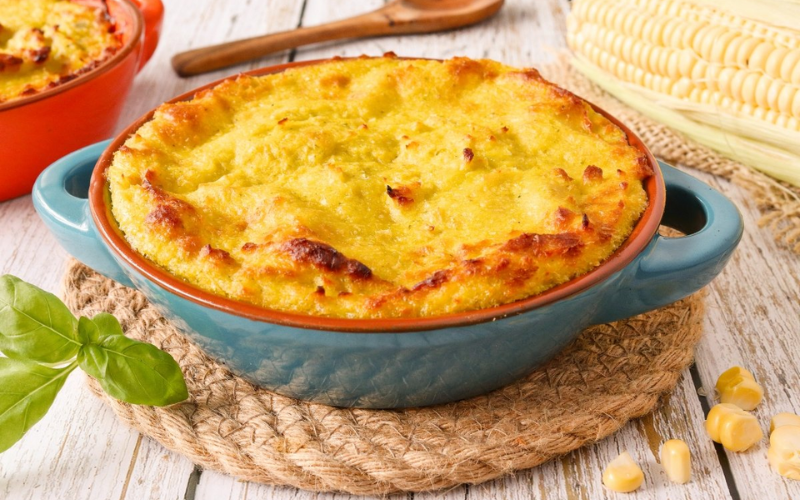
This is true comfort food. Imagine a baked corn pie layered with ground beef, chicken, boiled eggs, and olives, all topped with a creamy, sweet corn crust. It’s warm, filling, and perfect for chilly evenings.
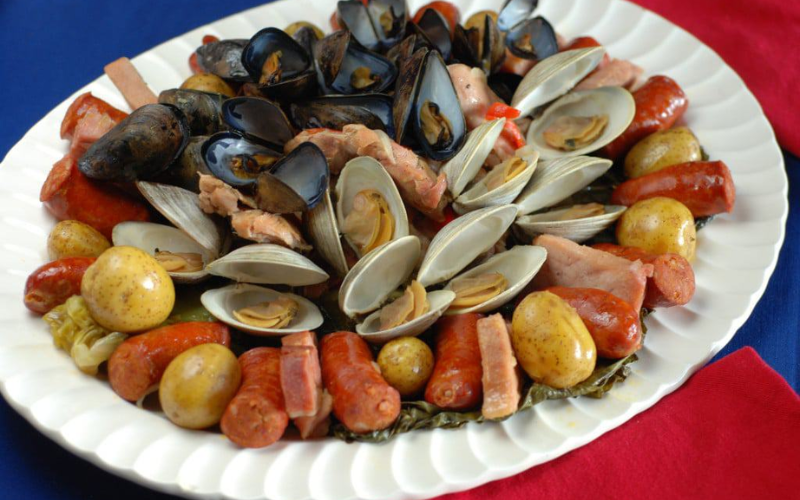
Curanto isn’t just a dish, it’s an entire culinary experience from the island of Chiloé. Traditionally, seafood, meats, potatoes, and local dumplings called milcaos are cooked underground, covered with leaves and hot stones. The smoky, earthy flavor is unforgettable.
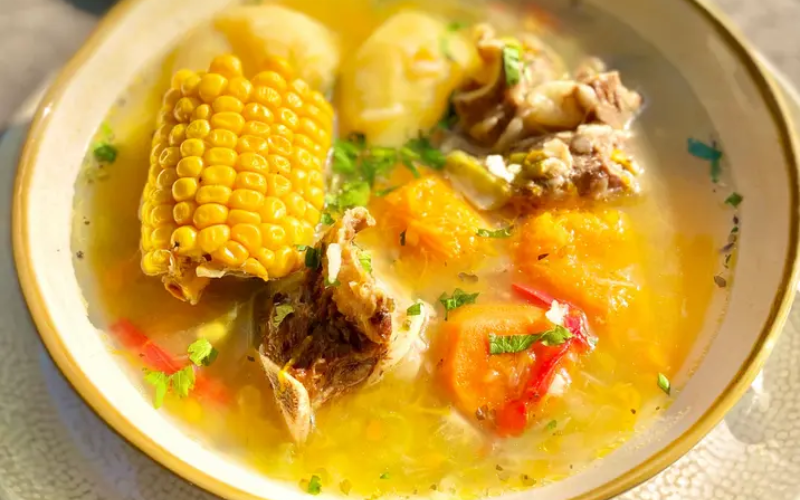
Think of it as Chile’s version of chicken soup , but heartier. Cazuela is a homemade stew made with beef or chicken, corn, pumpkin, potatoes, and rice, simmered to perfection. It’s simple, but it feels like a warm hug.

It looks like a hot dog, but it’s way more indulgent. The completo comes loaded with avocado (palta), tomatoes, mayonnaise, and sometimes sauerkraut or green sauce. It may sound odd, but trust me, it’s dangerously addictive.
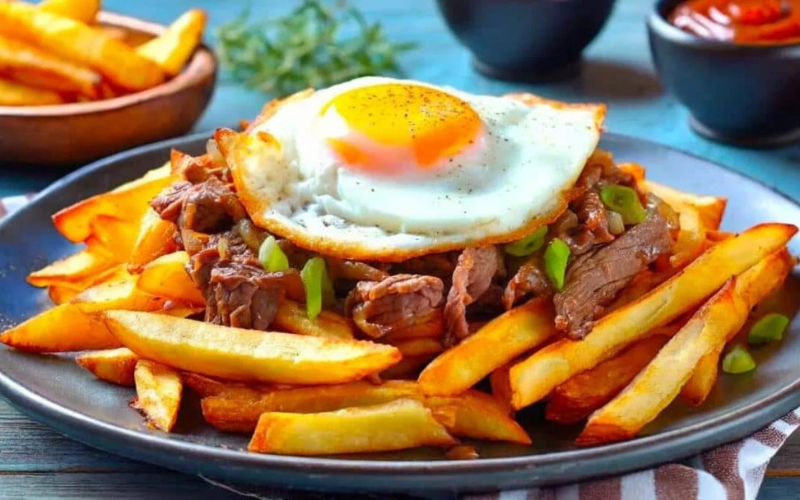
Warning: This dish is not for the faint of heart (or stomach)! A massive plate of fries topped with beef strips, caramelized onions, and fried eggs. Perfect for sharing with friends over a cold beer, especially in Valparaíso.
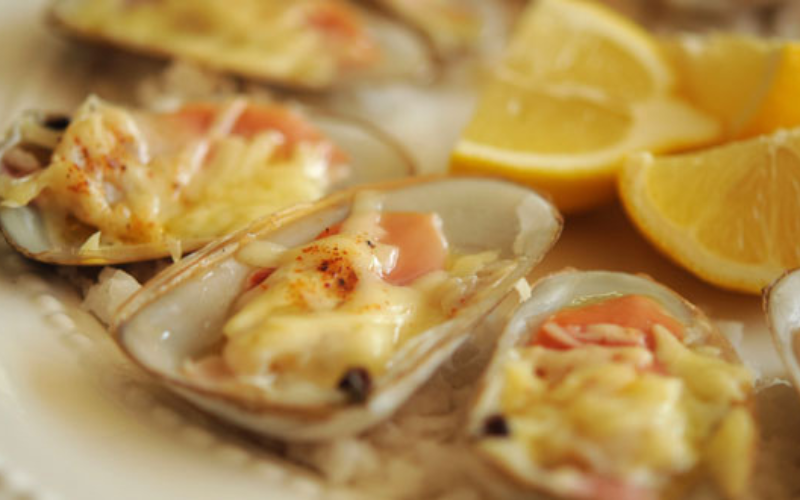
If you love seafood, this one’s a gem. Machas are local razor clams, baked with butter, white wine, and Parmesan cheese. Served piping hot, they’re creamy, salty, and absolutely divine.
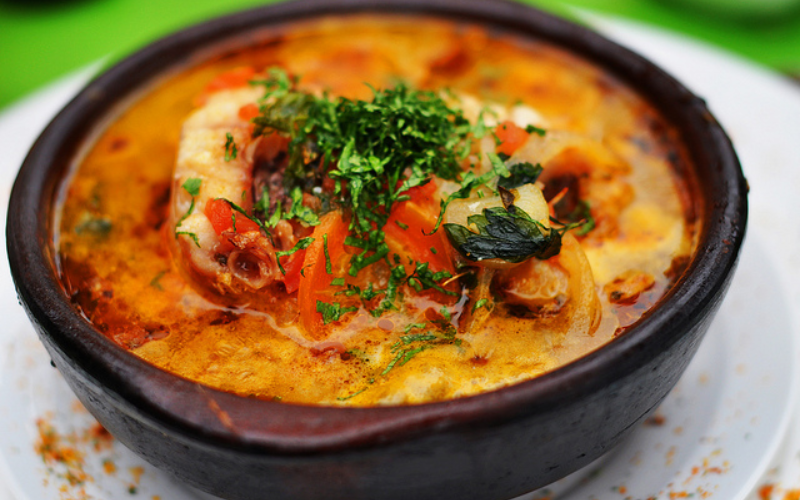
This hearty fish soup is a Chilean classic , so iconic that poet Pablo Neruda dedicated an entire ode to it. Made with conger eel, potatoes, carrots, and a rich broth, it’s the ultimate comfort dish for cold days.
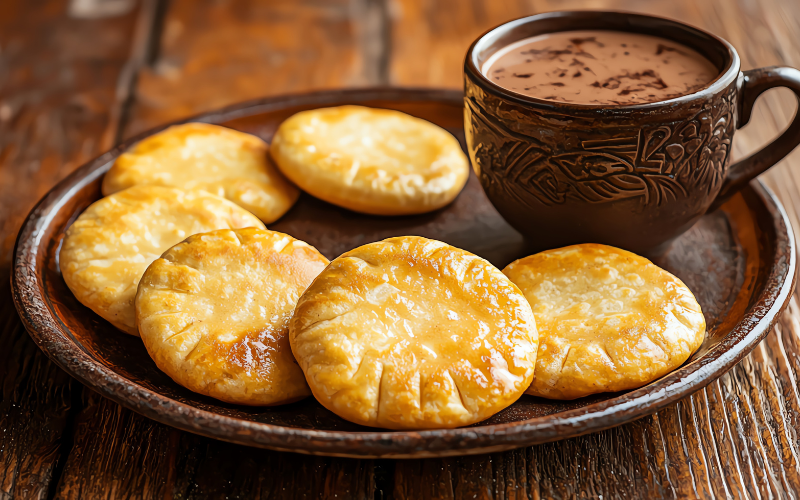
These crispy, golden discs of fried dough made with pumpkin are a street food favorite. Locals enjoy them with spicy pebre salsa or sweet chancaca syrup. They’re especially popular on rainy days.
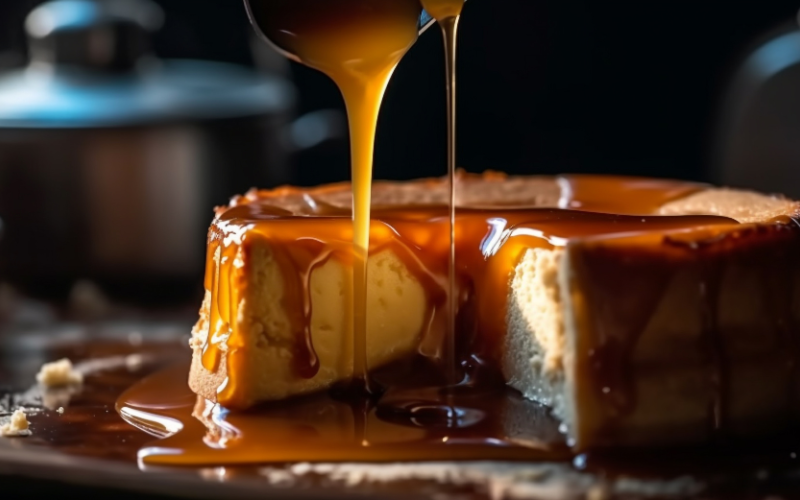
To wrap up your meal, go for leche asada, Chile’s version of baked custard. It’s similar to flan, but has a firmer texture and a caramelized top. Light, sweet, and totally satisfying.
In Santiago, explore local spots like Mercado Central or La Vega for authentic dishes. Coastal cities like Valparaíso are seafood heaven. Don’t be shy, ask locals for their favorite places; they’ll usually lead you to hidden gems.
Take your time to savor each dish, pair them with Chilean wines or a refreshing pisco sour, and embrace every bite of this delicious adventure. The flavors are bold yet comforting, rooted in tradition but always full of surprises. From the coast to the mountains, every region adds its own twist to the country’s vibrant culinary identity.
If these iconic Chilean flavors are already making your mouth water, imagine discovering them fresh from the source and learning how to prepare them with your own hands. At Cook in Chile, our cooking classes and food tours invite you to step into local kitchens, hear the stories behind the ingredients, and cook alongside chefs who live and breathe this culture. It’s more than just a meal: it’s a journey into the heart of Chilean cuisine.
Come taste, cook, and connect
The page you requested could not be found. Try refining your search, or use the navigation above to locate the post.