Traditional Buenos Aires Breakfasts You Should Try
Start your day like a local with these classic morning treats
There’s a special rhythm to mornings in Buenos Aires that I immediately fell in love with. The aroma of fresh coffee and warm pastries drifting from neighborhood bakeries invites locals and visitors alike to slow down and enjoy breakfast as a moment of calm before the city fully wakes. Whether you’re a light breakfast person or someone who loves a hearty start, Buenos Aires offers a variety of morning treats that are both comforting and delicious.
Medialunas
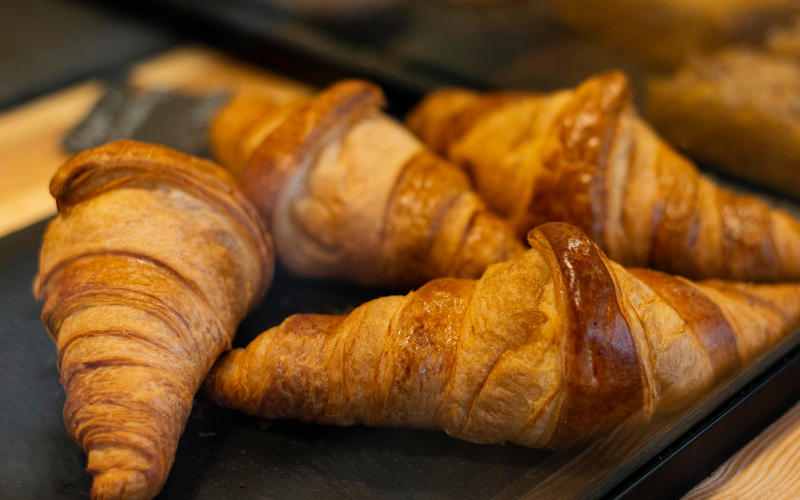
Medialunas are sweet, buttery croissants that are a staple of Buenos Aires breakfasts. These flaky pastries are often enjoyed fresh from local bakeries, paired perfectly with a strong coffee. One of the best places to savor medialunas is Confitería Las Violetas, a historic café known for its charming atmosphere and delicious pastries.
Café con Leche
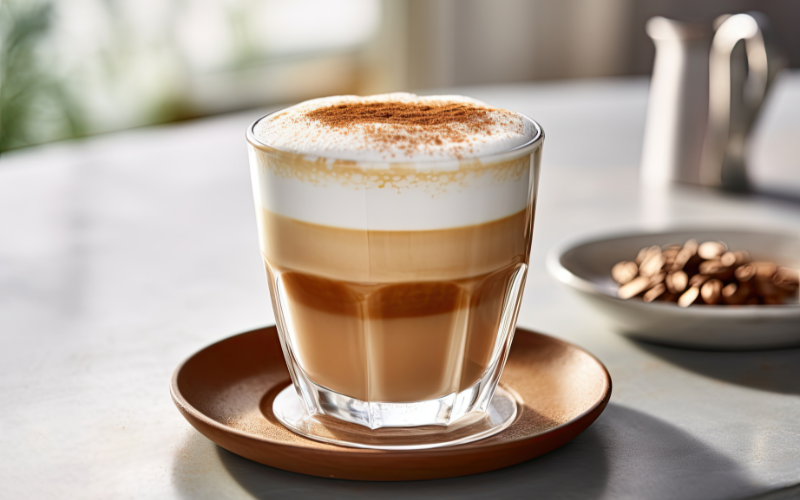
A typical morning beverage in Buenos Aires is café con leche, a smooth mix of espresso and steamed milk. It’s usually served alongside medialunas or other pastries, making for a comforting and quick breakfast. Locals often grab this combo at neighborhood cafés before heading off to work.
Tostadas con Dulce de Leche
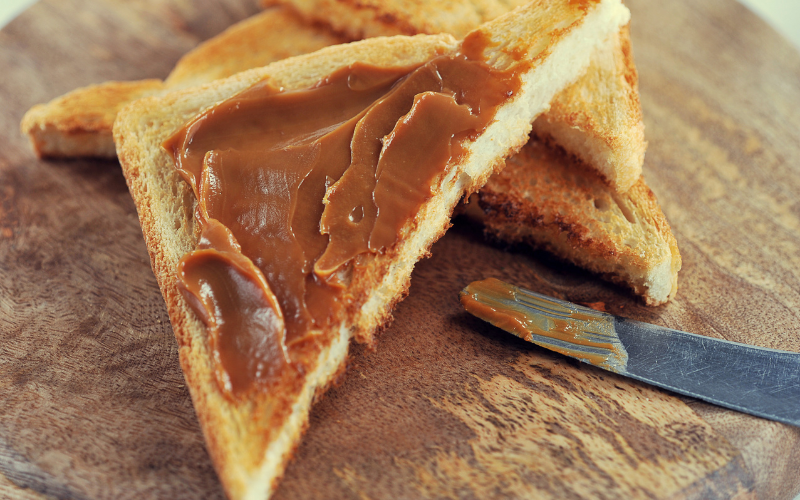
Simple but beloved, toasted bread spread generously with dulce de leche is a common breakfast at many households and cafés. The sweet caramel flavor wakes up the palate and pairs wonderfully with coffee or mate, the traditional Argentine herbal tea.
Facturas
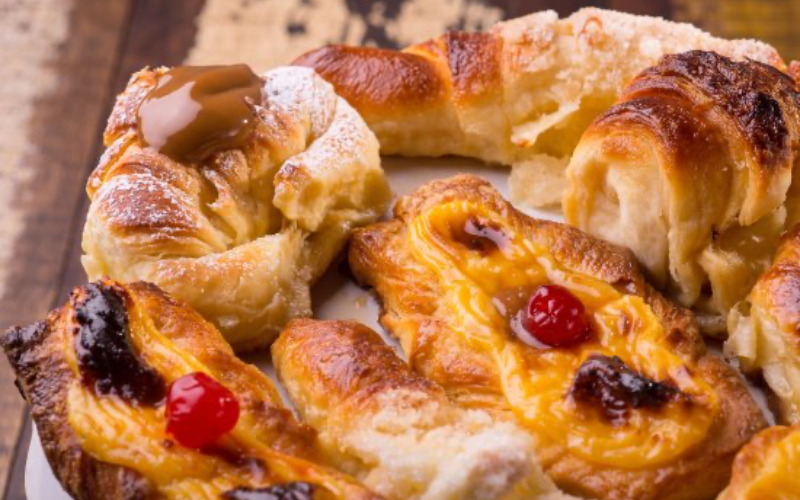
Facturas are a variety of sweet pastries, often filled with custard, dulce de leche, or fruit jams. They come in many shapes and sizes and are popular at local bakeries and cafés, especially on weekends when families gather for a relaxed breakfast.
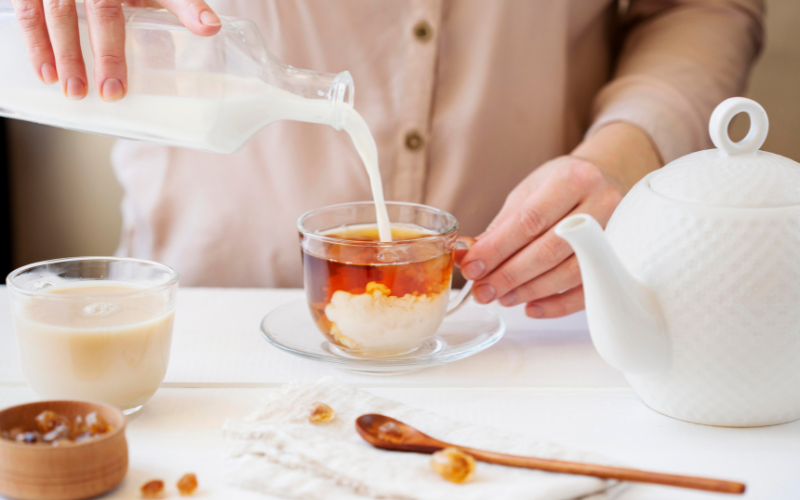
Té con Leche
Besides coffee, tea with milk is another common choice for breakfast, especially among those who prefer a lighter start. Many cafés offer both options, and you can enjoy it with medialunas or a slice of homemade cake.
Cook with us
Buenos Aires breakfasts are a warm, flavorful start to the day, rooted in tradition and simple pleasures. From buttery medialunas to strong café con leche, these morning rituals reflect the city’s slower rhythm and deep appreciation for food as a shared experience.
Cook in Buenos Aires invites you to explore that connection more deeply. While each class may focus on different local dishes, every session offers an authentic path into Argentine culture. Guided by a local chef, you will experience the flavors, stories, and techniques that bring the city’s culinary soul to life.
Wake up your senses and cook your way into Buenos Aires culture.
Casco Viejo blends history with cuisine. From rooftop spots to hidden gems, these restaurants showcase the best flavors in Panama’s most iconic neighborhood.
Buenos Aires is a city made for wandering, and one of the best ways to explore it is through its street food. From neighborhood corners to bustling markets, you will find quick, satisfying bites that truly capture Argentina’s culture.
One of the most iconic street foods is choripán, a simple grilled chorizo sandwich. It feels like a celebration every time you take a bite. When I first visited Buenos Aires, grabbing a choripán from a stand near Feria de Mataderos became an unforgettable experience. The smoky aroma from the grill, the tangy chimichurri sauce, and the lively music of the fair combined to create a truly local moment.
If you prefer something crispy and comforting, you should try the empanadas. These handheld pastries come with fillings like beef, chicken, or cheese and are found all over the city, from small street stalls to cozy cafés. For the freshest empanadas, head to La Cocina in Palermo, a spot locals love for its flaky crust and perfectly seasoned fillings.
Buenos Aires has a unique passion for fugazzeta, a thick, cheesy pizza loaded with onions. You will find this delicious treat in pizzerias along Avenida Corrientes, the city’s own version of Broadway. Guerrin and El Cuartito are two of the most famous places, both known for their rich history and crowds of loyal customers.
When you visit San Telmo on weekends, you will find stands selling provoleta, grilled provolone cheese that is rich and gooey. It is often topped with oregano and chili flakes. This snack is perfect for sharing and popular during festivals and outdoor gatherings.
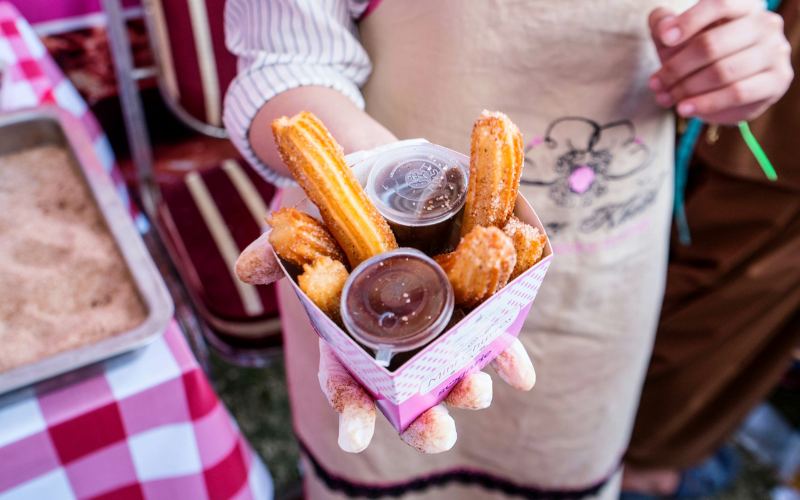
For a sweet ending, try the dulce de leche filled churros sold by vendors near parks and plazas. These warm fried dough sticks, dusted with sugar and filled with rich dulce de leche, make an excellent treat after an afternoon walk.
Cook with us
Argentine street food is packed with flavor, tradition, and the energy of everyday life. From sizzling grills to bakery counters, these local favorites are part of the city’s rhythm and charm, offering quick bites that tell a deeper cultural story.
Cook in Buenos Aires invites you to bring that spirit into the kitchen. In a hands-on class led by a local chef, you will learn to prepare traditional dishes inspired by the city’s streets, gaining new skills and a fresh perspective on Argentine food culture.
Taste the streets of Buenos Aires most authentically by cooking them yourself!
There’s something special about the sweet side of Buenos Aires that caught my attention during my first stroll through the city’s lively markets and cafés. Whether it was the irresistible smell of freshly baked alfajores or the sight of locals savoring dulce de leche desserts, I quickly realized that Buenos Aires has a rich tradition of sweets that are as comforting as they are delicious. If you have a sweet tooth or just want to understand the city’s flavors better, here are some iconic desserts you absolutely must try.
Alfajores
These soft, round cookies are filled with a generous layer of dulce de leche and often coated in chocolate or dusted with powdered sugar. Alfajores are everywhere in Buenos Aires, from local bakeries to markets. One of the best places to try artisanal alfajores is the San Telmo Market, where you can find unique flavors like coconut or dark chocolate. For a more familiar brand, Havanna shops across the city offer tasty options perfect for souvenirs.
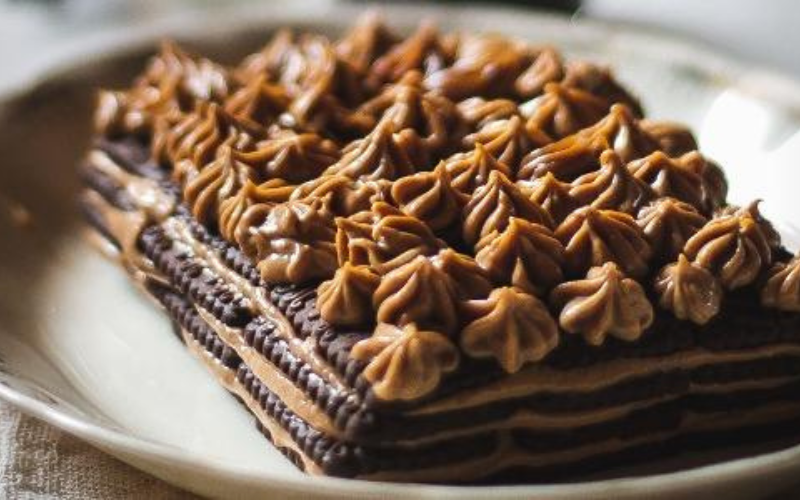
Chocotorta
Chocotorta is a no-bake cake made by layering chocolate cookies with dulce de leche and cream cheese. It’s a popular dessert for family gatherings and casual cafés. This simple yet indulgent treat showcases how Argentines turn humble ingredients into something special. You’ll often find it served at local bakeries or homemade in many households.
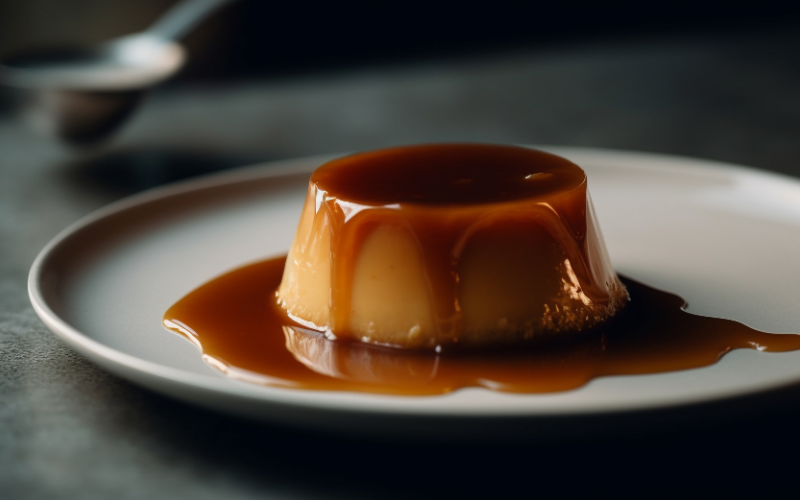
Flan con Dulce de Leche
A smooth caramel custard topped with a drizzle of dulce de leche, flan con dulce de leche is a creamy, rich dessert that pairs perfectly with a heavy meal. Many traditional restaurants and cafés serve this comforting sweet, especially in colder months when people crave something warm and satisfying.
Pastelitos
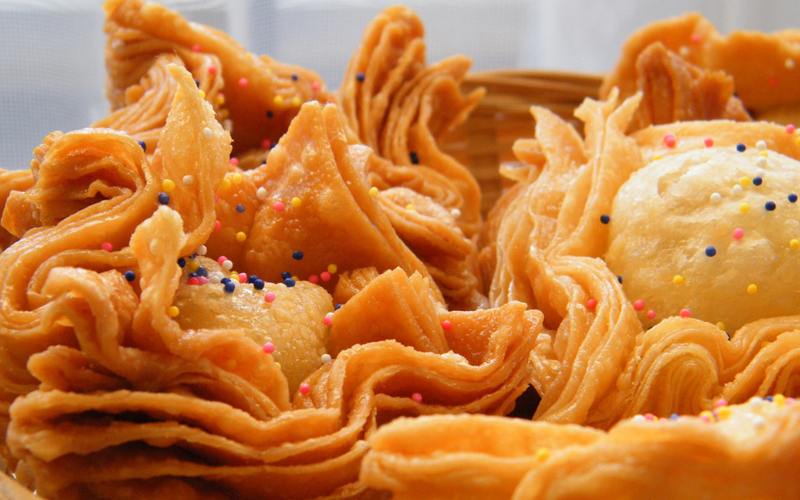
Pastelitos are flaky pastries filled with sweet quince paste, known locally as dulce de membrillo, or other fruit jams. Crispy and golden, they are especially popular during festivals and national holidays. You can find them at pastry shops throughout Buenos Aires, often enjoyed with a cup of coffee.
Panqueques con Dulce de Leche
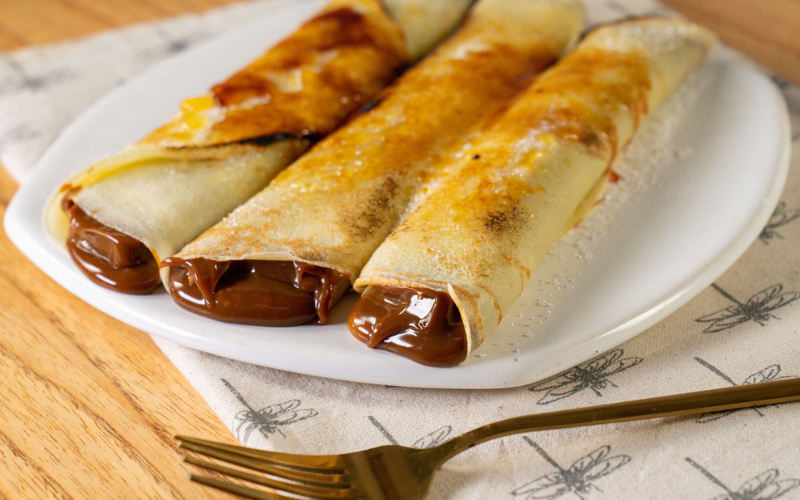
These thin crepes filled with dulce de leche make for a popular sweet snack or dessert. They’re served in cafés and street food stalls alike and offer a deliciously simple way to enjoy one of Argentina’s most famous ingredients.
Final Thought
If you want to try making delicious Argentine dishes yourself, Cook in Buenos Aires offers a cooking class with a local chef. It’s a unique chance to learn authentic recipes and bring a taste of the city back home.
Buenos Aires’ sweets are full of warmth and tradition, making each bite a small celebration of the city’s rich culinary heritage.
Casco Viejo blends history with cuisine. From rooftop spots to hidden gems, these restaurants showcase the best flavors in Panama’s most iconic neighborhood.
During my first days in Buenos Aires, I was fascinated by how much the city’s drinks reveal about its culture and people. From the herbal warmth of mate shared among friends to the rich taste of Malbec enjoyed during a slow meal, each beverage offers more than refreshment. It invites you to pause, to connect, and to experience the rhythm of daily life. Whether you’re in the mood for something traditional or curious to try a local favorite, drinking like a porteño is a delicious way to feel part of the city.
Mate is perhaps the most iconic of them all. More than a drink, it is a social ritual passed from hand to hand in a single gourd with a metal straw. You’ll often see groups of friends in parks or plazas chatting for hours with a thermos under one arm and a mate in the other. The taste can be intense at first, but the act of sharing it speaks volumes about Argentine hospitality and connection.
Another local favorite is Fernet con Coca, a cocktail made by mixing Fernet, a bitter herbal liqueur, with Coca-Cola. It is especially popular among younger crowds and at casual gatherings like barbecues. Almost every bar in the city serves it, particularly in lively neighborhoods such as Palermo where the night stretches on with conversation and laughter.
Wine also plays a central role in the city’s food culture, with Malbec standing as Argentina’s most celebrated variety. Known for its deep, full-bodied flavor, Malbec pairs beautifully with grilled meats and hearty dishes. Many restaurants offer excellent selections by the glass or bottle, and servers are often happy to help you choose a wine that complements your meal.
On warmer days, clericó offers something light and refreshing. Similar to sangria, it combines white wine with chopped seasonal fruit. Popular during the summer and often enjoyed outdoors, clericó is perfect for a relaxed afternoon or a festive evening with friends. It is served chilled in cafés and bars across the city and always brings a cheerful, easygoing vibe to the table.
Coffee culture in Buenos Aires is also strong and deeply rooted in daily life. From quick stops at the bar for an espresso to lingering over a café con leche in a corner café, coffee is both a habit and a ritual. Historic cafés like Café Tortoni blend rich flavor with old-world charm, making each visit feel like a step into the city’s living history. Whether you are starting your day or taking a quiet afternoon break, coffee offers a comforting pause in the middle of the city’s energy.
Every drink tells part of the Buenos Aires story. They are not only tastes to remember but also experiences that reflect the city’s identity, its pace, and its warmth. To sip what the locals sip is to understand the spirit of the city, one glass at a time.
Final Thought
From the communal ritual of mate to the rich taste of Malbec, Buenos Aires’ beverages tell the story of its people and traditions. These drinks are more than refreshments; they are cultural experiences shared among friends, passed down through generations, and deeply tied to daily life. If you’re inspired to go beyond tasting and want to explore the broader flavors of Argentina through cooking, Cook in Buenos Aires offers hands-on classes guided by a local chef. You’ll learn how to prepare traditional dishes in an authentic setting while discovering the ingredients, techniques, and stories that shape Argentine cuisine. It is a unique opportunity to engage with the culture in a personal and memorable way.
Casco Viejo blends history with cuisine. From rooftop spots to hidden gems, these restaurants showcase the best flavors in Panama’s most iconic neighborhood.
Where to eat, explore, and experience local flavor
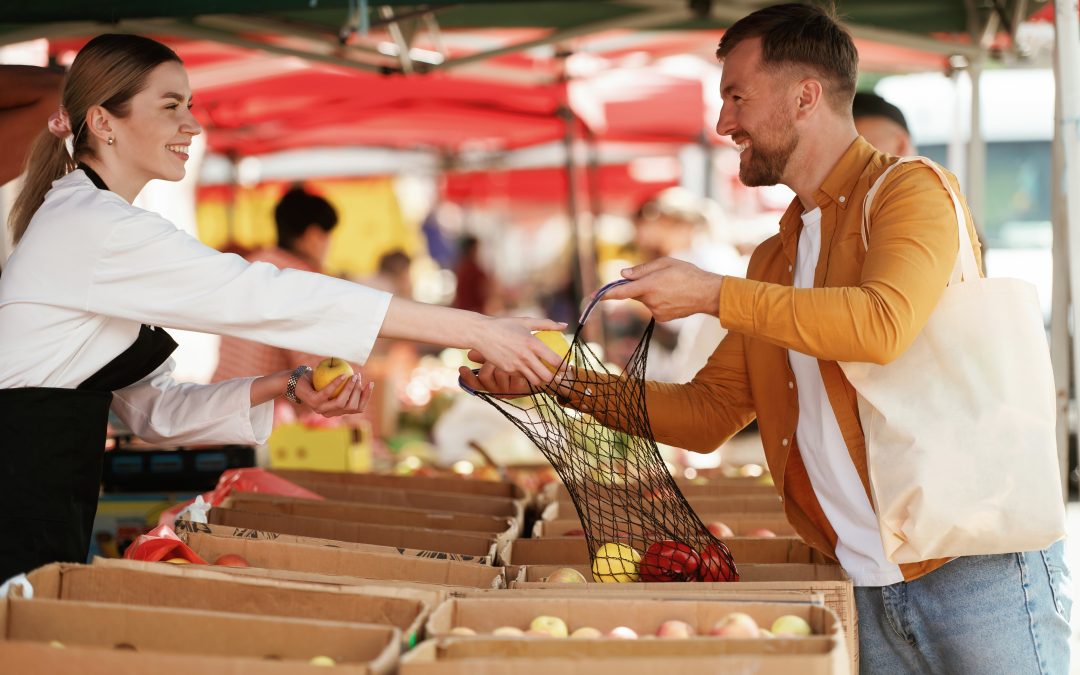
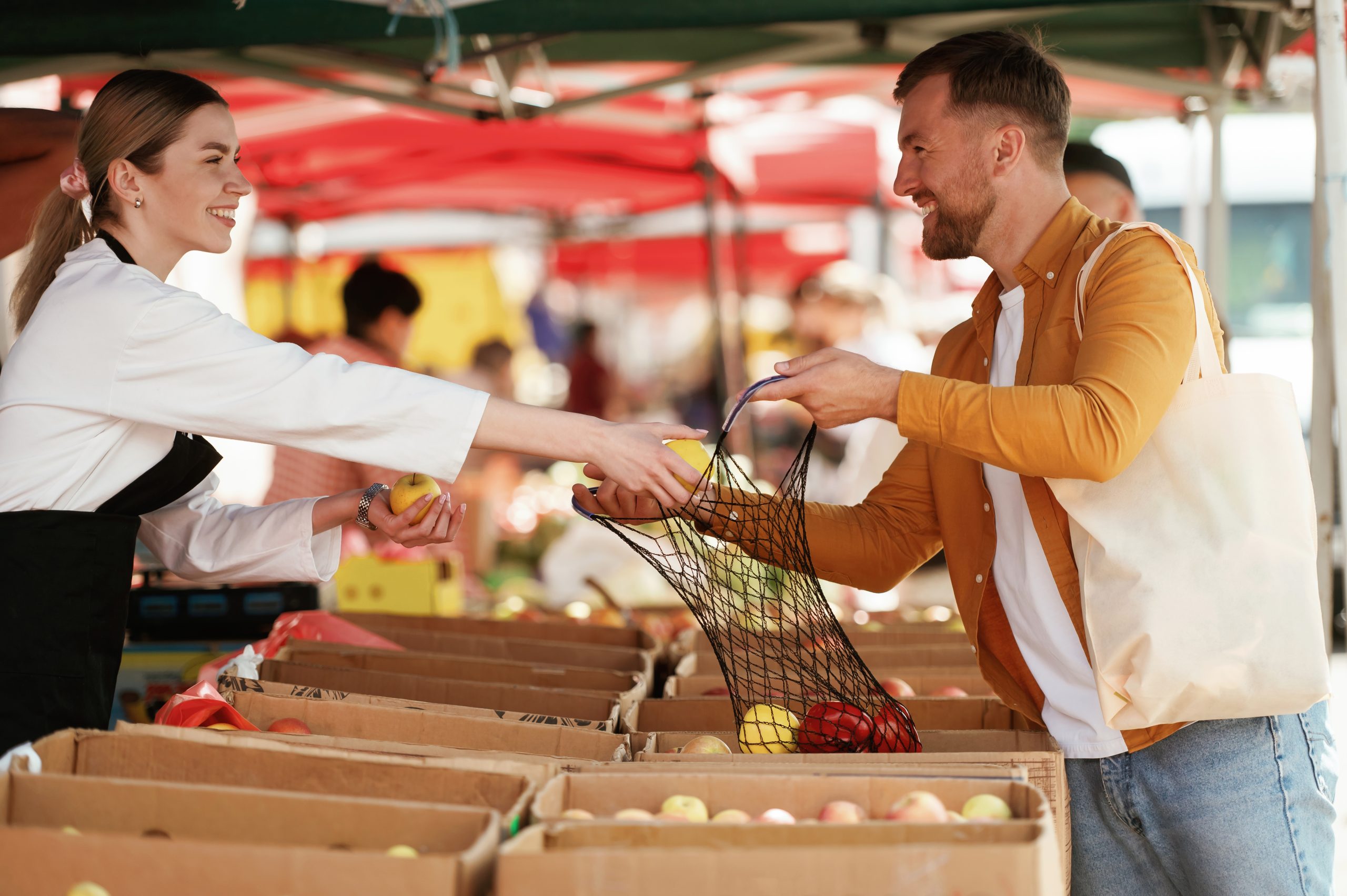
One of my favorite ways to connect with Buenos Aires’ culture was by wandering through its vibrant markets. These lively spaces aren’t just for shopping; they’re centers of food, tradition, and community. From historic market halls to weekend street fairs, each one offers a unique glimpse into local life and flavors you won’t find anywhere else. If you want to experience Buenos Aires the way locals do, these markets are the perfect place to begin.
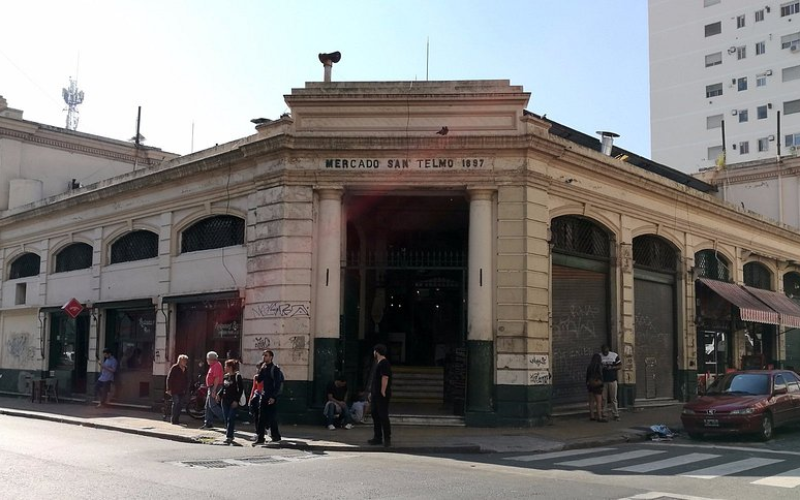
San Telmo Market
An iconic market housed in a beautiful 19th-century building, San Telmo Market is a must-visit. It offers fresh produce, gourmet foods, and a variety of ready-to-eat options, including empanadas and choripán. On Sundays, the surrounding streets come alive with artists, tango dancers, and street performers, making it a full cultural experience.
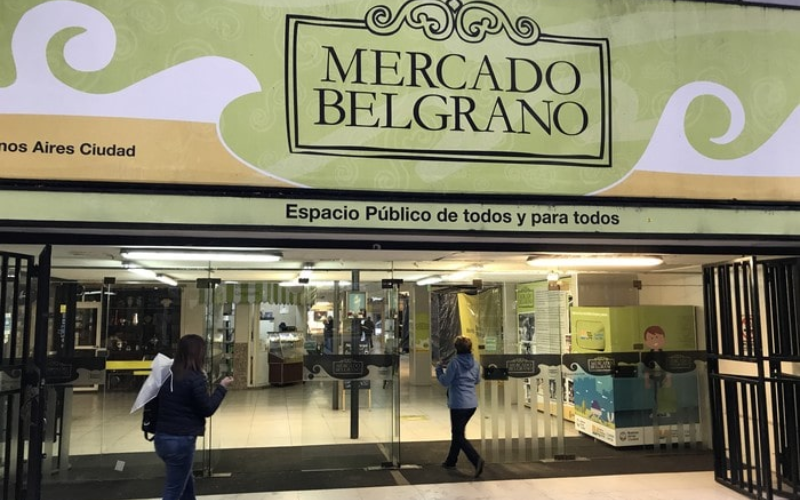
Mercado de Belgrano
A local favorite, this market in the Belgrano neighborhood is where many Porteños shop weekly. Inside, you’ll find excellent cuts of meat, fresh vegetables, and cheeses. Several stalls serve traditional Argentine dishes like tortilla de papa and milanesa, perfect for a casual lunch among locals.
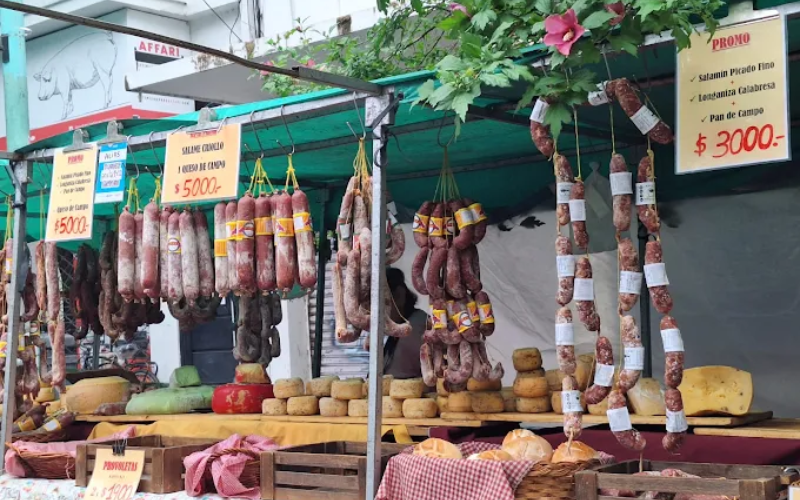
Feria de Mataderos
Held on Sundays, this outdoor fair celebrates Argentine folk traditions. Along with crafts and music, you can sample regional foods like locro (a hearty stew), humita (corn tamales), and empanadas salteñas. It’s a lively place to connect with Argentina’s rural heritage within the city.
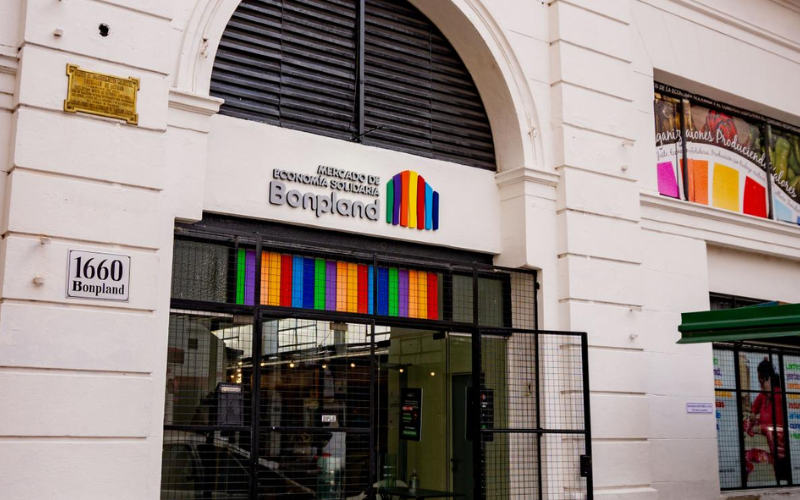
Mercado Bonpland
In Palermo Hollywood, Mercado Bonpland is popular for organic and artisanal products. Here you’ll find homemade pickles, sourdough bread, herbal teas, and vegan empanadas. It’s a relaxed spot for a slow meal or snack.
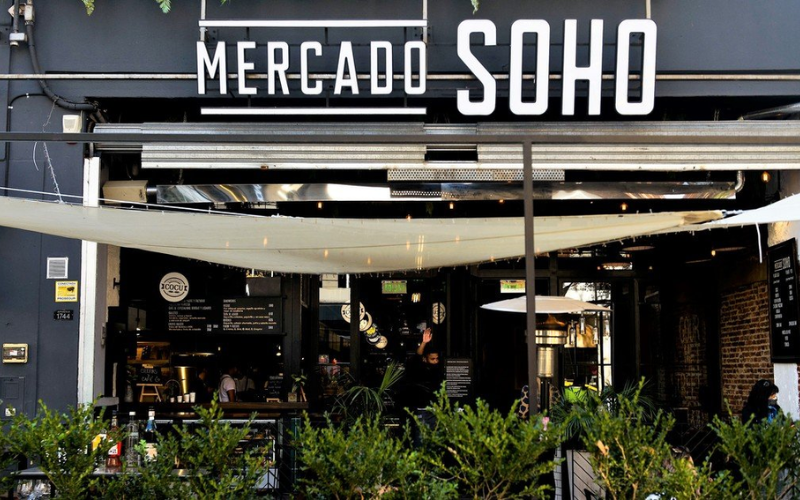
Mercado Soho
A smaller market in Palermo Soho offering a curated selection of local and international foods. It’s ideal for grabbing tapas or snacks while exploring the trendy neighborhood.
Final Thought
Buenos Aires markets are vibrant meeting points full of flavor, culture, and community spirit. Walking through their colorful stalls, you’re immersed in the scents, sounds, and textures that define the city’s food culture. If you want to take that experience a step further and explore how those flavors come together in the kitchen, Cook in Buenos Aires offers hands-on cooking classes led by a local chef. You’ll prepare authentic Argentine dishes in a warm and welcoming setting, learning techniques and stories that bring the country’s culinary identity to life. It’s a meaningful way to connect with the culture and take a delicious part of your trip home with you.
Casco Viejo blends history with cuisine. From rooftop spots to hidden gems, these restaurants showcase the best flavors in Panama’s most iconic neighborhood.
Authentic spots to experience real Argentine flavor
During my first nights wandering Buenos Aires, I quickly realized that the city’s food culture doesn’t slow down when the sun sets. In fact, some of the best local dishes truly come alive late at night, perfect for night owls and anyone craving something hearty after an evening out. One of the first dishes I tried was milanesa a caballo, a breaded beef or chicken cutlet topped with a fried egg and typically served with mashed potatoes or fries. It is comfort food at its finest. I remember ordering it at Café de García in Villa Devoto, a lively neighborhood spot where the warm atmosphere matched the generous portions on every plate.
Soon after, I discovered the city’s distinct pizza culture. Here, slices are thick and cheesy, and locals often add a slice of fainá on top, a savory flatbread made from chickpea flour. This pairing is a staple after a night out, and places like El Cuartito and Guerrin stay open late, serving the classic combo to groups of regulars and curious visitors alike.
Another favorite of mine is the lomo completo, a steak sandwich piled high with lettuce, tomato, ham, cheese, a fried egg, and sometimes bacon, all tucked inside a crusty roll. It is rich, messy, and deeply satisfying. I still think about the one I had at La Rambla in Recoleta, one of the city’s go-to spots for late-night bites.
Of course, no list of Buenos Aires snacks would be complete without empanadas. These handheld pastries are always a safe and satisfying choice, no matter the time of day. Many bakeries and empanaderías stay open around the clock, making it easy to grab your favorite filling on the go. I especially love the traditional options at La Cocina in Palermo and El Sanjuanino in Recoleta.
To end the night on a sweet note, locals often turn to postres caseros, or homemade desserts. Flan with dulce de leche or panqueques are among the most popular choices. For something a little more refined, Las Pizarras Bistro in Palermo offers elevated versions of these comforting classics, served in a cozy, relaxed setting that’s perfect for winding down.
Final Thought
Buenos Aires comes alive after dark, and its food culture is no exception, offering plenty to satisfy late-night cravings with warmth and flavor. And while nothing beats enjoying these comforting dishes in the heart of the city, learning to cook like a local is the next best thing. At Cook in Buenos Aires, our cooking classes led by a local chef invite you to dive into the city’s culinary traditions through hands-on experience. Whether it’s a hearty meal, a street food classic, or a lesser-known regional recipe, each class brings a new layer of Argentine culture to life and gives you the tools to bring that flavor home with you.
Casco Viejo blends history with cuisine. From rooftop spots to hidden gems, these restaurants showcase the best flavors in Panama’s most iconic neighborhood.