When I first explored Buenos Aires beyond the tourist neighborhoods, I discovered that some of the best meals happen in humble, family-run places where the locals eat daily. These spots don’t always make the guidebooks, but they offer the true taste of the city: generous portions, traditional recipes, and lively atmospheres filled with Porteños enjoying their favorite dishes. If you want to eat like a local, here are a few places where you’ll find authentic flavors and friendly faces.
Parrilla Peña
For a genuine parrilla experience, Parrilla Peña in Recoleta is hard to beat. It’s a straightforward, no-frills steakhouse where locals come to enjoy perfectly grilled beef at reasonable prices. The bife de chorizo paired with papas fritas and a glass of house Malbec is a favorite. Don’t be surprised if the place is buzzing with regulars—it’s a neighborhood institution.
El Ferroviario
Located in Liniers, El Ferroviario is a bit off the beaten path but worth the trip. Famous for its generous grilled meat platters, this open-air parrilla attracts locals who appreciate quality and quantity. The weekend crowd is lively, making it a fun place to experience Argentine barbecue culture beyond the tourist scene.
El Banco Rojo
In San Telmo, El Banco Rojo offers a modern twist in traditional street food favorites. Popular with young locals and students, this casual spot serves spicy lamb empanadas, choripán with house-made sauces, and other flavorful bites. It’s perfect for a quick, satisfying lunch while exploring the neighborhood.
Café Margot
This historic café in Boedo has retained its old-world charm and remains a favorite among locals. It’s known for picadas (platters of cold cuts and cheeses), milanesas, and turkey sandwiches. Sitting at a sidewalk table with a cortado here is an ideal way to soak in daily life.
Los Galgos
Close to the city center, Los Galgos has been revamped into a cozy bistro offering traditional porteño dishes with a fresh touch. Whether it’s breakfast, lunch, or afternoon coffee with cake, this place draws locals who appreciate quality ingredients and a relaxed vibe.
Cook with us
Eating like a local means discovering places where tradition, flavor, and community come together, and Buenos Aires has plenty of those. From neighborhood cafés to family-run restaurants, every dish tells a story about the city’s identity and its love for simple, well-made food.
Cook in Buenos Aires invites you to take that experience a step further. In an intimate cooking class led by a local chef, you will prepare traditional dishes and learn about the customs that shape everyday life in Argentina. It is a personal and memorable way to connect with the culture through its most beloved flavors.
Step into the kitchen and discover the real taste of Buenos Aires.
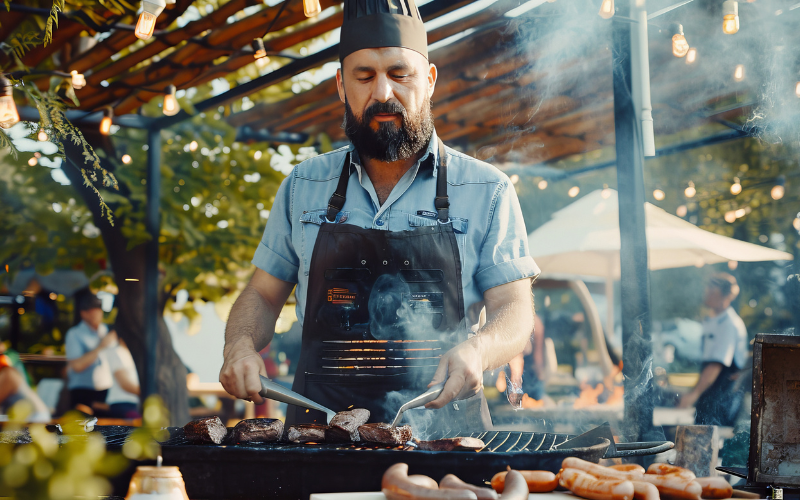
When you think of Argentine cuisine, it’s almost impossible not to imagine the aroma of meat sizzling over an open fire. Asado is not just a type of barbecue; it’s a cherished tradition that lies at the very core of Buenos Aires culture. It brings people together, family, friends, neighbors, to share food, stories, and laughter over long, leisurely meals.
At the center of the asado is the asador, the grill master, whose role is almost ceremonial. The asador carefully selects the wood or charcoal and manages the fire’s temperature, making sure it’s just right for the different cuts of meat. Patience is key here, as asado is cooked slowly, often over several hours. This slow cooking allows the meat to become tender, juicy, and infused with smoky flavors.
The selection of meats is extensive and varies from cut to cut. Some of the most popular choices include costillas (ribs), vacío (flank steak), chorizo (pork sausage), and morcilla (blood sausage). Each bite offers a slightly different texture and flavor, making the asado a varied and satisfying feast. Provoleta, a grilled provolone cheese often seasoned with oregano and chili flakes, is served hot and gooey, perfect for sharing while the meat cooks.
A memorable experience
What surprised me most when I attended my first asado in Buenos Aires was the relaxed, almost festive atmosphere. As the meat grills, conversations flow freely, and glasses of Malbec wine circulate the table. The meal is not rushed, it’s meant to be savored and enjoyed over several hours, sometimes lasting well into the night.
For visitors eager to experience an authentic asado, Buenos Aires offers a range of options. High-end parrillas like Don Julio and La Cabrera in Palermo are famous for their top-quality meat and attentive service. If you want something more traditional and down-to-earth, places like Parrilla Peña offer a genuine neighborhood vibe, where locals come to eat, drink, and socialize.
Pairing your asado with a good Argentine Malbec or Torrontés wine enhances the flavors and elevates the experience. Many restaurants have sommeliers who can recommend the perfect match.
Cook with us
Asado is about more than just food. It is a cultural ritual that speaks to Argentina’s values of hospitality, friendship, and respect for good ingredients prepared with care. Gathering around the grill is a cherished tradition that brings people together and turns every meal into a celebration.
Cook in Buenos Aires invites you to explore that spirit in a hands-on cooking experience guided by a local chef. You will learn how iconic Argentine dishes come to life, gaining insight into the techniques and traditions that make the country’s cuisine so special. Whether you find yourself by the grill or at the table, the flavors and stories you take home will stay with you.
Join us in the kitchen and bring a taste of Argentina’s most beloved traditions with you.
Coffee is woven into the fabric of daily life in Buenos Aires. It’s not just a beverage but a reason to pause, meet friends, and soak in the city’s atmosphere. Cafés, known as cafés notables, have been gathering places for Porteños (locals) for decades, often serving as hubs for conversation, art, and culture.
The most common choice is café con leche, a smooth espresso mixed with steamed milk, often enjoyed alongside a buttery medialuna, the city’s signature croissant-like pastry. Whether for breakfast or an afternoon break, this combination is a comforting ritual.
If you wander the elegant streets of Recoleta or the bohemian corners of Palermo, you’ll find historic cafés like Café Tortoni, which has been serving coffee since 1858. Sitting in its beautiful, old-world interior, you can almost feel the presence of writers and artists who once gathered there.
Many locals have their favorite neighborhood spot where the barista knows their order by heart. Coffee here isn’t about speed; it’s about savoring the moment, often accompanied by reading a newspaper or meeting a friend for a slow chat.
Another local favorite is cortado, a smaller espresso with just a splash of milk, perfect if you want a stronger coffee taste. For something sweet, try pairing coffee with facturas, a variety of Argentine pastries filled with dulce de leche, custard, or jam.
Cook with us
Whether you enjoy your coffee in a grand café or a quiet neighborhood spot, Buenos Aires’ coffee culture invites you to slow down and savor life’s simple pleasures. Each cup is more than a drink; it is part of a daily ritual that blends conversation, community, and comfort.
Cook in Buenos Aires offers a chance to explore that culture more deeply. In a hands-on class with a local chef, you will prepare traditional dishes and learn how food and drink come together in Argentine daily life. It is an experience that goes beyond the cup and into the heart of the city’s traditions.
Step into the kitchen and discover the flavors that make Buenos Aires feel like home.
Where Locals Shop, Eat and Connect with Chilean Flavors
If there’s one place where Chile’s vibrant food culture truly comes alive, it’s in its markets. And Santiago, the country’s capital, is full of them. Here, food isn’t just about ingredients; it’s about community, history, and everyday life.
Exploring these bustling markets is an essential experience for anyone interested in Chilean cuisine. You’ll find everything from exotic fruits and fresh seafood to street snacks and handmade products, all in one lively, colorful space.
Here are some of the best food markets in Santiago to visit, whether you’re looking to shop, eat, or simply soak up the atmosphere.
La Vega Central
Often called the heart of Santiago’s culinary scene, La Vega Central is where locals do their grocery shopping and where chefs go to find the freshest ingredients.
Walking through its endless aisles, you’ll see stacks of seasonal fruits, mountains of avocados, vibrant herbs, and just about every vegetable you can imagine. There are also stands selling fresh cheese, nuts, spices, and meat.
But La Vega isn’t just about shopping. It’s also a fantastic place to grab a quick meal. You’ll find small eateries, known as “picadas,” serving classic Chilean dishes like cazuela, pastel de choclo, and hearty stews. The prices are usually very affordable, and the food is homemade and comforting.
Tip: Go early in the morning to avoid crowds and see the market at its most lively.
Mercado Central
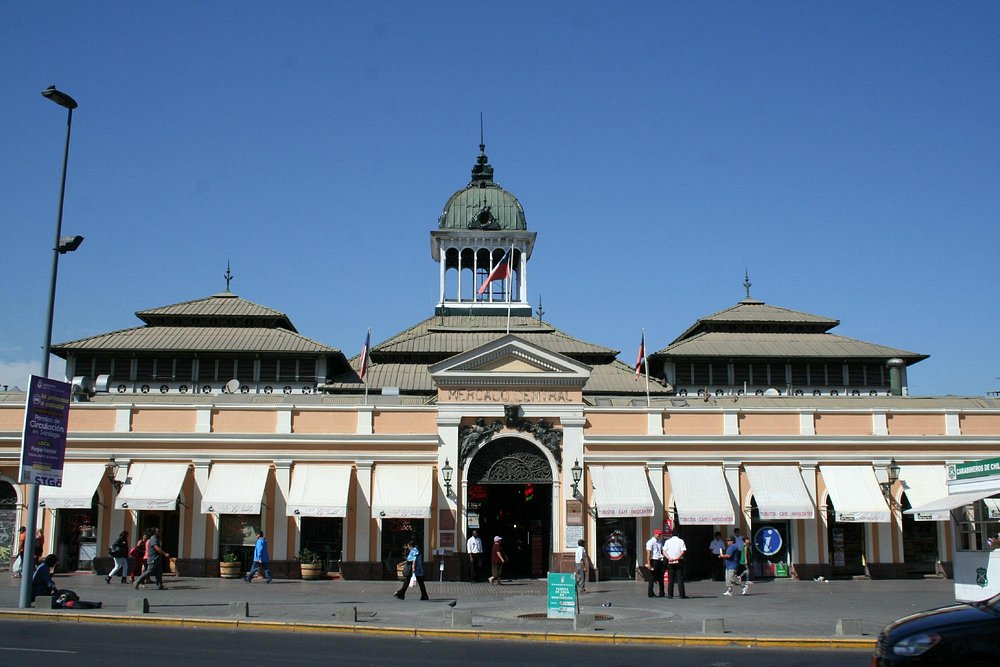
For seafood lovers, Mercado Central is a must. Located in a beautiful historic building near the Mapocho River, this market specializes in fresh fish and shellfish, straight from the coast.
Inside, you’ll find an impressive selection of seafood, including clams, mussels, crab, sea urchin, and conger eel. Local vendors are usually happy to offer tips on how to cook their products.
Several restaurants are located inside the market, offering classic Chilean seafood dishes like caldillo de congrio, machas a laparmesana, and ceviche. While some spots are touristy, there are still plenty of places with authentic flavors and fair prices.
Tip: If you want a more local vibe, head to the smaller restaurants toward the edges of the market.
Feria de La Reina
If you want a more laid-back and less touristy experience, Feria de La Reina is a great option. This outdoor market, held on weekends in the La Reina neighborhood, focuses on organic produce, artisanal goods, and homemade products.
Here, you’ll find everything from fresh-baked bread and cheese to herbal teas and handmade preserves. Many vendors sell ready-to-eat dishes, such as empanadas, pastries, and soups, making it a great place for a relaxed lunch.
The atmosphere is friendly, and it’s common to see families spending the morning shopping and eating together.
Cook with us!
Visiting Santiago’s food markets isn’t just about trying new flavors. It is an invitation to step into the rhythm of local life, where ingredients are carefully chosen, recipes are passed down through generations, and food is a daily expression of culture and care. These markets reflect the deep connection Chileans have with what they eat, from the freshness of seasonal produce to the pride behind every home-cooked meal.
If walking through the stalls has sparked your curiosity, Cook in Chile offers the perfect next step. In our hands-on cooking classes, you’ll learn how to transform local ingredients into traditional Chilean dishes, guided by chefs who know these flavors by heart. It is more than a lesson; it is a chance to cook like a local and take the market’s vibrant energy into the kitchen.
Join Cook in Chile and turn market finds into unforgettable meals.
Your content goes here. Edit or remove this text inline or in the module Content settings. You can also style every aspect of this content in the module Design settings and even apply custom CSS to this text in the module Advanced settings.
Casco Viejo blends history with cuisine. From rooftop spots to hidden gems, these restaurants showcase the best flavors in Panama’s most iconic neighborhood.