7 Unique Peruvian Desserts You Probably Haven’t Heard Of
Discover sweet surprises beyond the classics
Peru is often celebrated for its savory dishes, but its dessert scene is just as rich, varied, and worth exploring. While some travelers may have tried the famous suspiro limeño or mazamorra morada, there’s a whole world of lesser-known Peruvian sweets waiting to be discovered.
1. Picarones
Picarones are often called Peru’s answer to doughnuts, but they have a flavor all their own. Made from a mix of sweet potato and squash, they’re fried until golden and crispy, then drizzled with miel de chancaca, a syrup made from unrefined cane sugar, cinnamon, and cloves. You’ll often find them at street carts in the evenings, especially in Lima.
2. King Kong
This oversized dessert from northern Peru is built like a shortbread sandwich. Layers of cookie dough are stacked with fillings like manjar blanco (a creamy caramel), pineapple jam, or peanut paste. It’s sweet, crumbly, and usually served in large, shareable portions. You’ll most likely encounter it in Chiclayo or Piura.
3. Queso Helado
Despite the name, there’s no cheese in queso helado. This frozen dessert, typical of Arequipa, is made with milk, coconut, and cinnamon. It’s traditionally served in metal bowls and has a creamy texture that resembles semifreddo. The name “cheese ice cream” comes from the way it looks when it’s frozen in large rounds and shaved into scoops.
4. Ranfañote
An old-school dessert that’s slowly making a comeback, ranfañote is a bread pudding made with fried bread cubes, raisins, nuts, and chancaca syrup. It’s sweet, sticky, and deeply spiced, offering a taste of Lima’s culinary past. It’s not easy to find in restaurants these days, but it’s still made in homes and passed on through families.
5. Leche Asada
Similar to flan but a bit firmer and with a roasted top, leche asada is made from milk, eggs, and sugar. Its appeal lies in its simplicity – no fancy ingredients, just a rustic, homey flavor that takes many Peruvians back to childhood.
6. Humitas Dulces
These sweet corn tamales are flavored with sugar, cinnamon, and raisins, then wrapped in corn husks and steamed. They’re typically eaten for breakfast or as an afternoon snack, and their soft, cake-like texture makes them especially comforting.
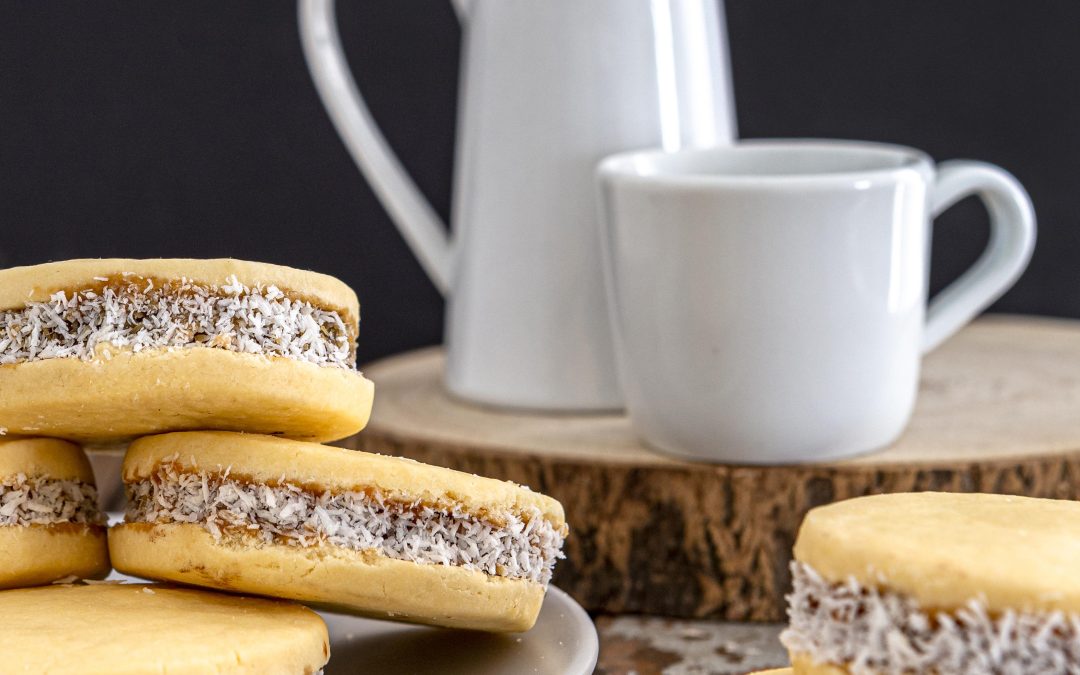
7. Alfajores de Maicena
While alfajores are known throughout Latin America, the Peruvian version made with cornstarch is delicate, buttery, and filled with manjar blanco. Lightly dusted with powdered sugar, they melt in your mouth and pair perfectly with coffee or tea.
Cook with us
Peruvian desserts are often simple, comforting, and deeply rooted in tradition. Whether made with native fruits, creamy fillings, or rich syrups, each recipe tells a sweet story passed down through generations and shared at family tables across the country.
Cook in Peru opens the door to this delicious world, welcoming you into a local chef’s kitchen where you can explore the heart of Peruvian cuisine in an authentic and relaxed setting. From stirring pots to sharing stories, the experience goes far beyond recipes. It is about connection, culture, and the joy of creating something memorable with your own hands.
Take your place in the kitchen and discover the sweet side of Peru.
Your content goes here. Edit or remove this text inline or in the module Content settings. You can also style every aspect of this content in the module Design settings and even apply custom CSS to this text in the module Advanced settings.
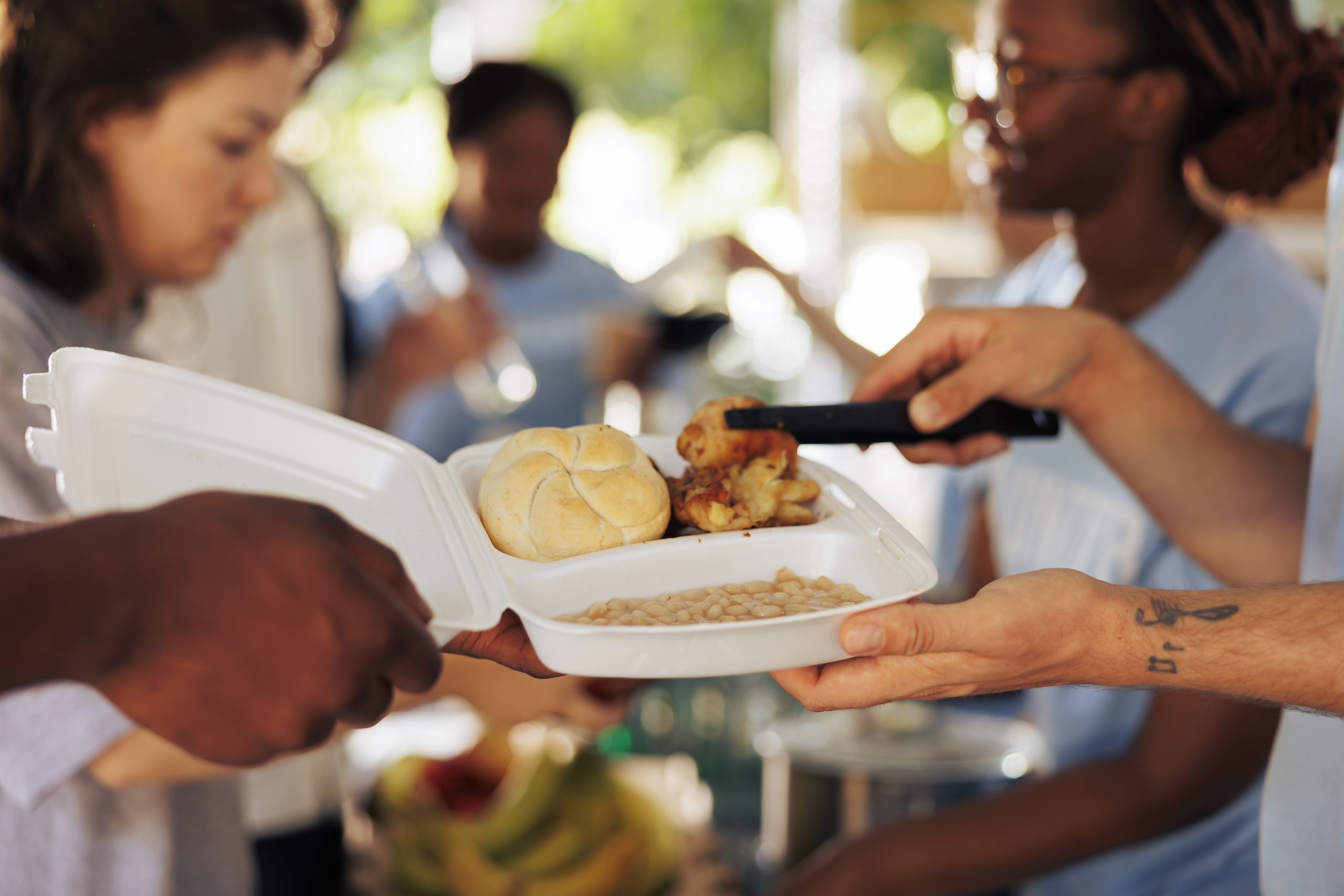
Street food is part of everyday life in Peru. From early morning markets to late-night stands, locals rely on street vendors for quick, satisfying meals packed with bold flavors. For visitors, trying Peruvian street food is one of the best ways to experience the country’s rich culinary heritage – no reservations required.
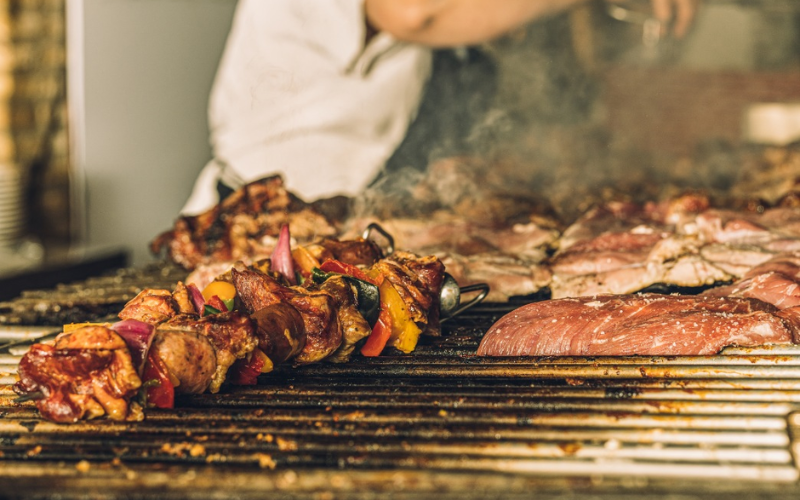
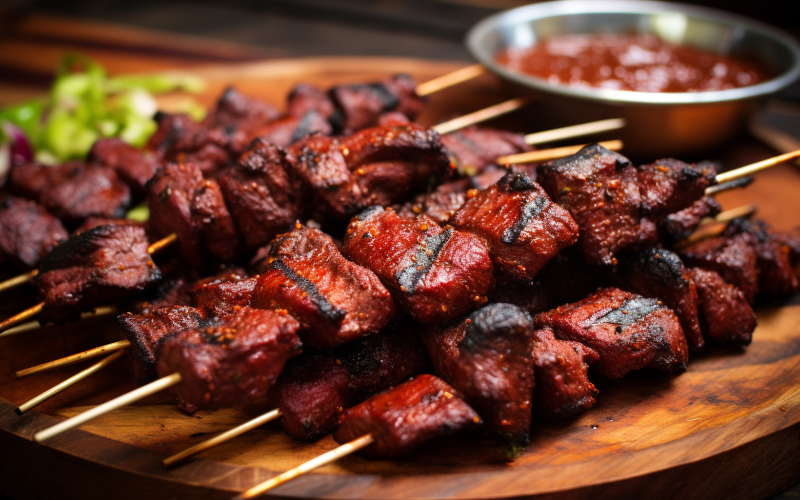
In Lima, you’ll find street food nearly everywhere. One of the most popular options is anticuchos, grilled beef heart skewers marinated in vinegar and spices. Vendors cook them over open flames until they’re smoky and tender, often serving them with boiled potatoes and spicy ají sauce. You can spot the smoke and smell the aroma from blocks away, especially around popular neighborhoods like Miraflores and Barranco.
Another staple is butifarra, a simple but flavorful sandwich made with Peruvian-style ham, salsa criolla, and a soft roll. It’s easy to find at markets and street carts throughout the city, especially during lunch hours. Many locals grab one on the go, along with a refreshing glass of chicha morada, a sweet purple corn drink.
In Cusco, street vendors offer hearty dishes suited to the cooler Andean climate. Tamales, filled with spiced meat or cheese and wrapped in banana leaves, are especially popular in the mornings. Rocoto relleno, a spicy stuffed pepper dish, also makes frequent appearances at market stalls, where it’s served hot and ready to eat. This connection between market food and homemade dishes runs deep in Peru.
Arequipa has its own unique street snacks, such as queso helado, a creamy, spiced frozen dessert made with milk, coconut, and cinnamon. It’s a must-try if you’re visiting the southern region, especially on warm afternoons.
In northern Peru, cities like Piura and Chiclayo are famous for their seafood street food. Ceviche stands pop up in markets and near beaches, serving freshly marinated fish with tangy lime, onions, and chili. You’ll also find dishes like arroz con mariscos, a rich seafood rice dish, served in generous portions at street-side stalls.
Wherever you go in Peru, street food is more than just a meal – it’s a reflection of the country’s diverse landscapes and culinary history. Trying it not only satisfies your hunger but also connects you to the everyday rhythms of Peruvian life.
And if tasting isn’t enough, Cook in Peru offers a way to go further. In this cooking experience, you’ll step into a local chef’s kitchen and learn to prepare traditional Peruvian dishes yourself – a chance to bring those incredible flavors from the street right to your own table. Book now!
Peru is one of the world’s most celebrated food destinations, and for good reason. Its rich culinary heritage blends Indigenous ingredients with Spanish, African, Chinese, and Japanese influences, creating dishes that are bold, comforting, and unforgettable. If you’re visiting Peru, here are ten traditional dishes you simply can’t miss.
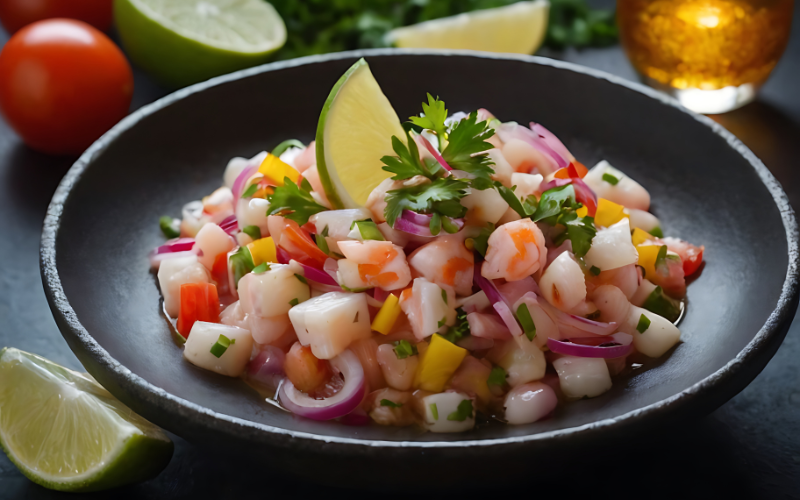
1. Ceviche
It’s impossible to talk about Peruvian food without mentioning ceviche. This iconic dish features fresh white fish marinated in lime juice, salt, onions, and chili peppers. The acidity of the lime “cooks” the fish, resulting in a bright, refreshing dish that’s typically served with sweet potatoes, corn, and crunchy cancha (toasted corn kernels). In Peru, ceviche is most often enjoyed at lunchtime, when the fish is at its freshest.
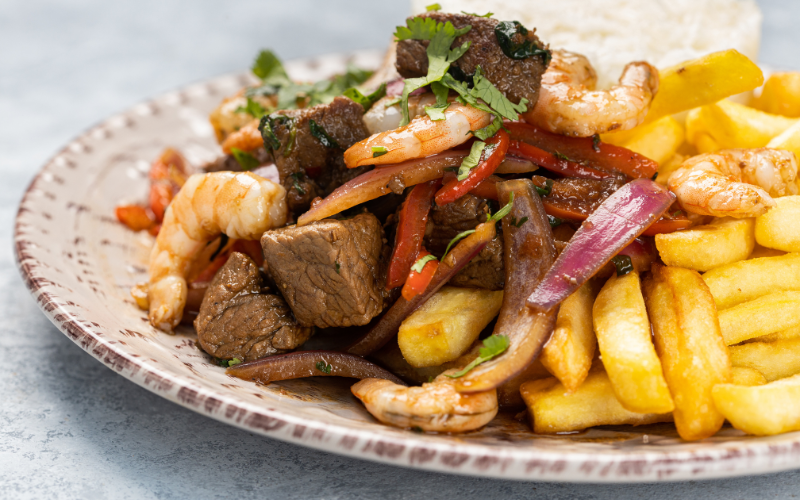
2. Lomo Saltado
This classic stir-fry brings together tender strips of beef, onions, tomatoes, and French fries, all tossed in soy sauce and vinegar. Lomo saltado reflects Peru’s Chinese culinary influence and is usually served with a side of rice. It’s one of the country’s most popular comfort foods, loved by locals and visitors alike.
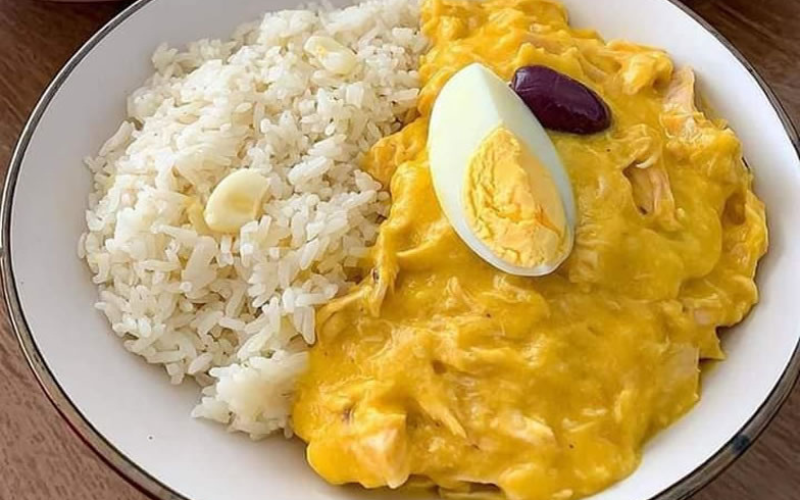
3. Aji de Gallina
Creamy and rich, aji de gallina is a chicken dish that combines shredded chicken with a sauce made from yellow chili peppers, bread, milk, and cheese. The result is a thick, comforting stew that’s usually served with rice, boiled potatoes, and black olives. It’s a dish often passed down through families and closely tied to Peruvian home cooking traditions.
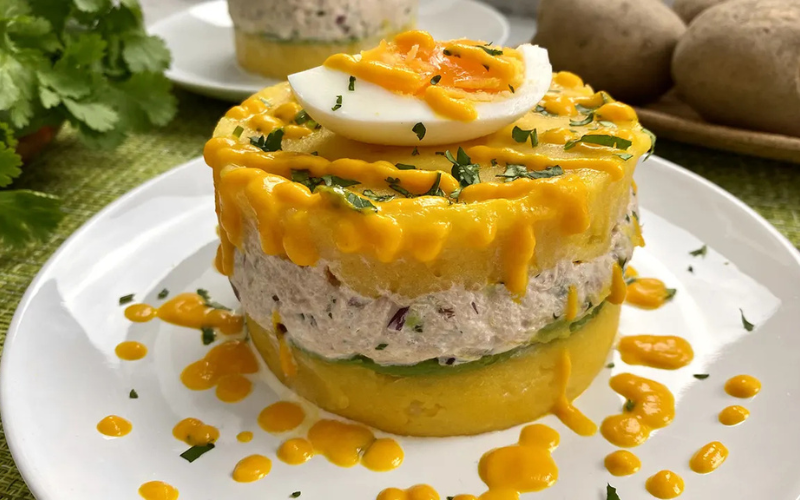
4. Causa Limeña
Causa is a dish that surprises many first-time visitors. It’s a layered creation made from mashed yellow potatoes seasoned with lime and chili, then filled with tuna, chicken, or seafood salad. It’s served cold, making it a refreshing option in Peru’s warmer coastal regions.
5. Anticuchos
These grilled beef heart skewers are a beloved street food in Peru. Marinated in vinegar, garlic, and spices, then grilled over open flames, anticuchos are flavorful, tender, and smoky. They’re usually served with boiled potatoes and a spicy sauce called ají.
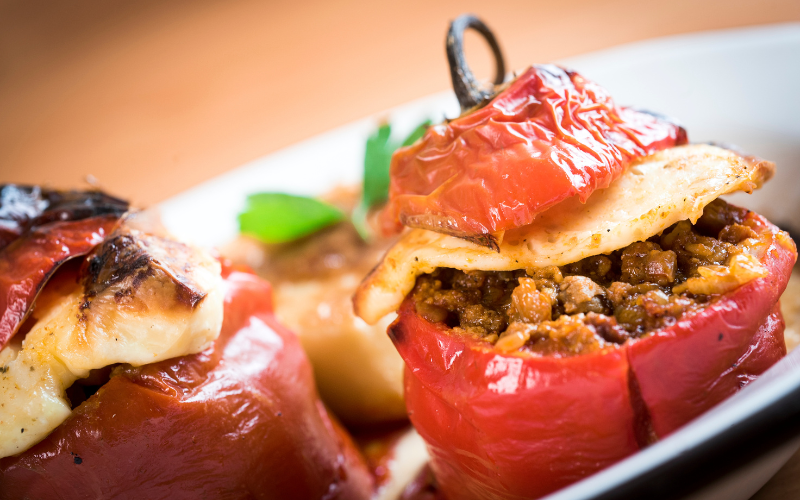
6. Rocoto Relleno
Spicy but satisfying, rocoto relleno is a specialty from Arequipa. It consists of large, spicy rocoto peppers stuffed with seasoned meat, onions, olives, and hard-boiled eggs, then topped with melted cheese and baked. The dish is hearty, bold, and unforgettable for those who enjoy a bit of heat.
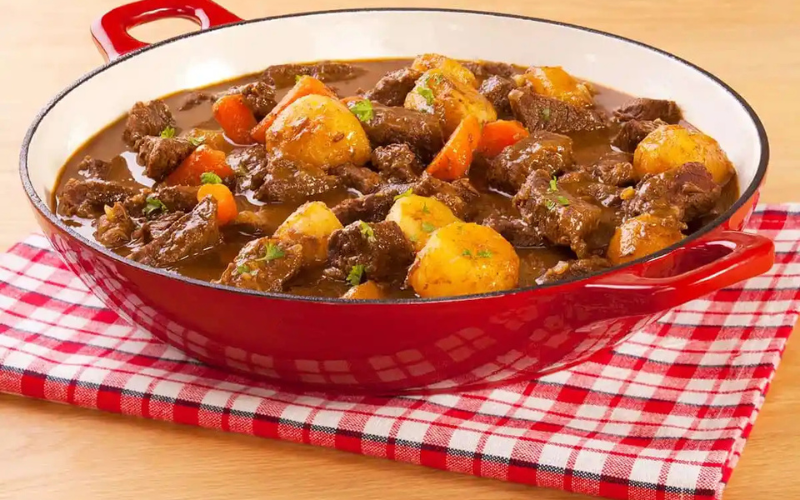
7. Seco de Cordero
This slow-cooked lamb stew is rich with flavor, thanks to a marinade of cilantro, garlic, onions, and beer. Served with rice and beans, it’s a dish that’s particularly popular in the northern regions of Peru.
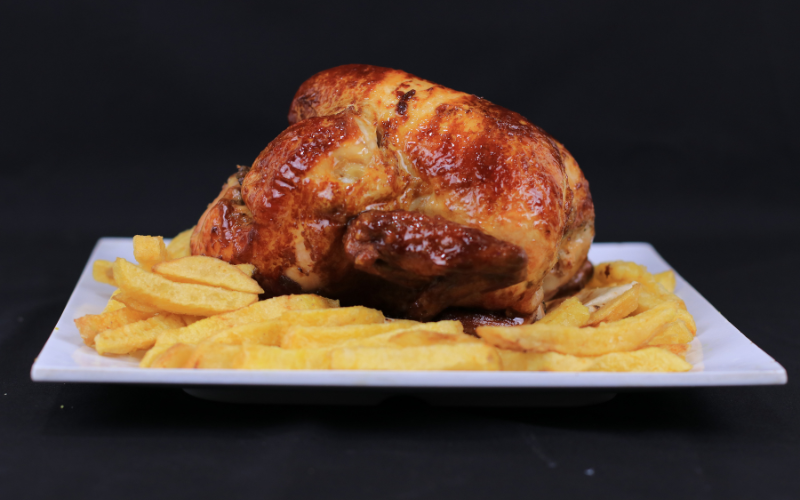
8. Pollo a la Brasa
One of Peru’s most famous dishes, pollo a la brasa is roasted chicken that’s marinated with spices, then cooked over charcoal until crispy and juicy. It’s often served with fries and salad, and you’ll find it everywhere from casual eateries to upscale restaurants.
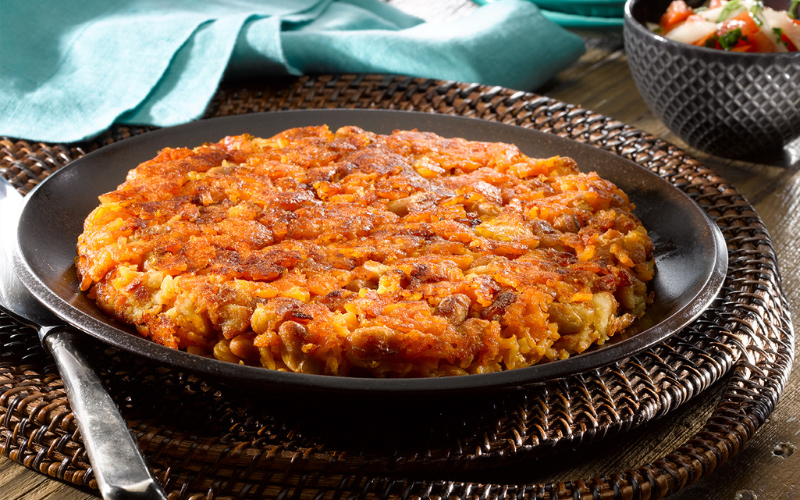
9. Tacu Tacu
Tacu tacu is a simple but filling dish made from leftover rice and beans, pan-fried until crispy. It’s often topped with steak, eggs, or seafood, making it a great option for a hearty lunch.
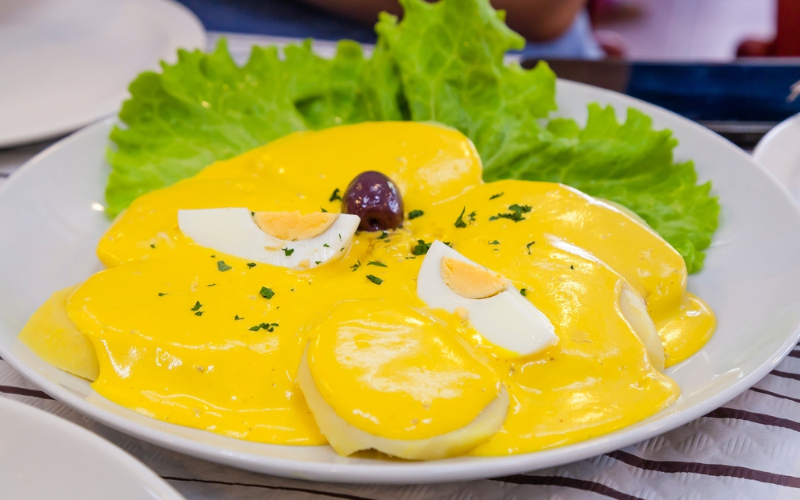
10. Papa a la Huancaína
This appetizer features boiled potatoes covered in a creamy sauce made from yellow chili peppers, cheese, and crackers or bread. It’s served cold, often with olives and hard-boiled eggs on the side, and is a popular choice at family gatherings and celebrations.
Cook with us!
Peruvian food is full of surprises, with every region offering its own specialties and traditions. Whether you are enjoying a simple home-cooked meal or dining in a bustling market, each dish tells a story shaped by Peru’s diverse history and vibrant culinary identity.
There is something truly special about stepping into a local kitchen and learning how these dishes come to life. Cook in Peru welcomes you into that experience, offering the chance to cook side by side with a local chef and explore the ingredients, techniques, and stories that have been passed down through generations. It is an opportunity to engage with Peruvian culture in an authentic and lasting way, taking home more than just recipes.
Your content goes here. Edit or remove this text inline or in the module Content settings. You can also style every aspect of this content in the module Design settings and even apply custom CSS to this text in the module Advanced settings.
When winter arrives in Chile, it’s time for hearty, warming dishes that bring comfort to every meal. These foods aren’t just about filling up, they’re about gathering around the table and savoring flavors passed down through generations. Here are some of the most beloved Chilean comfort foods to try during the colder months.
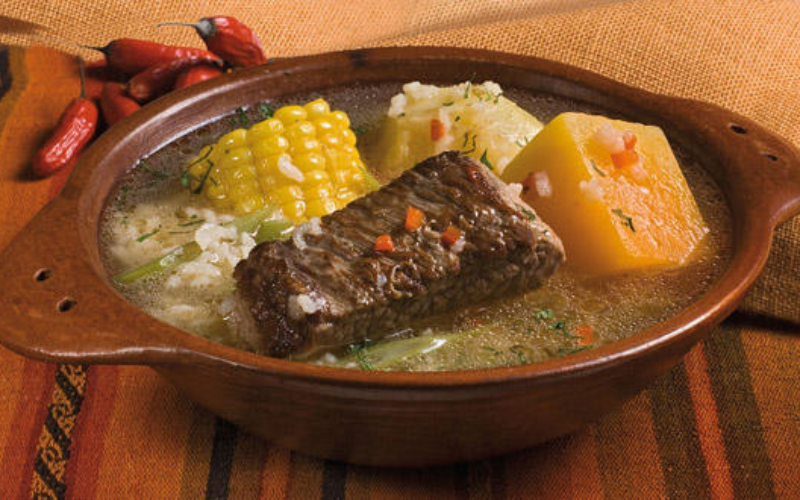
Cazuela
Cazuela is the ultimate Chilean comfort dish. This simple but deeply satisfying stew combines beef or chicken with potatoes, pumpkin, corn, green beans, and rice, all simmered together in a rich broth. It’s a dish that feels like home to many Chileans, especially during long family lunches on cold days. The secret to its appeal is in its simplicity and the way each ingredient adds to the overall warmth of the meal.
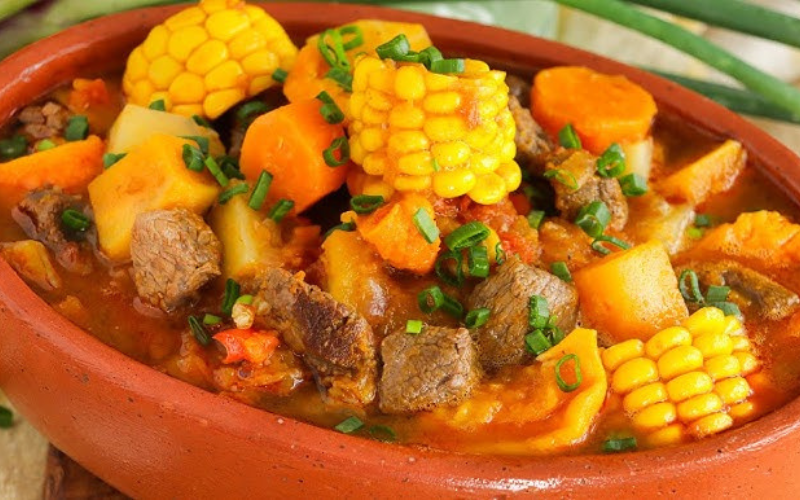
Carbonada
Another classic is carbonada, a thick soup made with diced beef, carrots, corn, potatoes, and rice. Flavored with paprika and oregano, it’s a dish that’s easy to love, with a slightly smoky, comforting taste. You’ll find carbonada in small restaurants and home kitchens alike, especially in southern Chile where colder weather calls for filling meals.
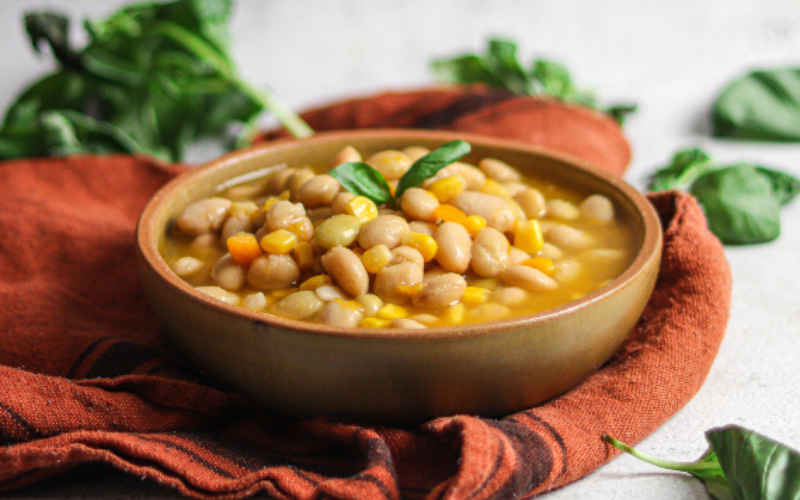
Porotos Granados
Porotos granados is a traditional stew that highlights some of Chile’s most iconic ingredients: fresh beans, corn, squash, and basil. The result is a creamy, slightly sweet dish that’s often enjoyed during the end of summer and throughout the colder months. It’s especially popular in rural areas, where many families grow these ingredients themselves.
Pastel de papas
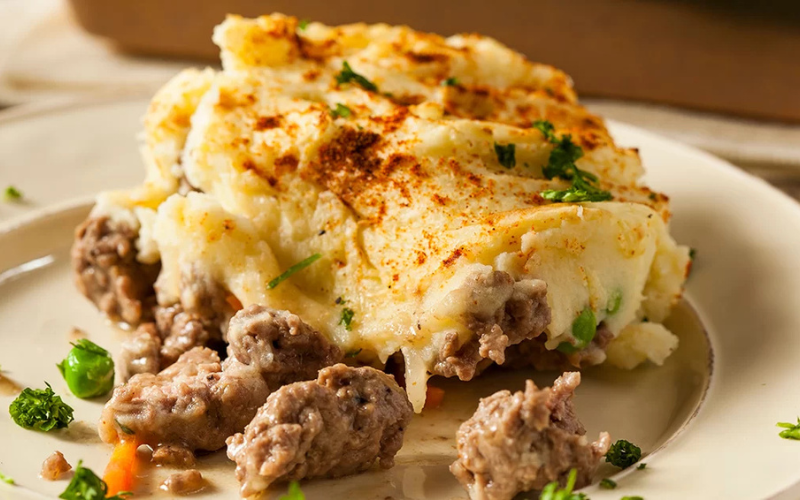
Pastel de papas is Chile’s version of shepherd’s pie, and it’s every bit as satisfying as it sounds. The dish layers seasoned ground beef, onions, hard-boiled eggs, olives, and sometimes raisins beneath a generous layer of creamy mashed potatoes. Baked until golden on top, it’s a family favorite during winter and is often served with a simple salad or homemade bread.
Sopaipillas pasadas
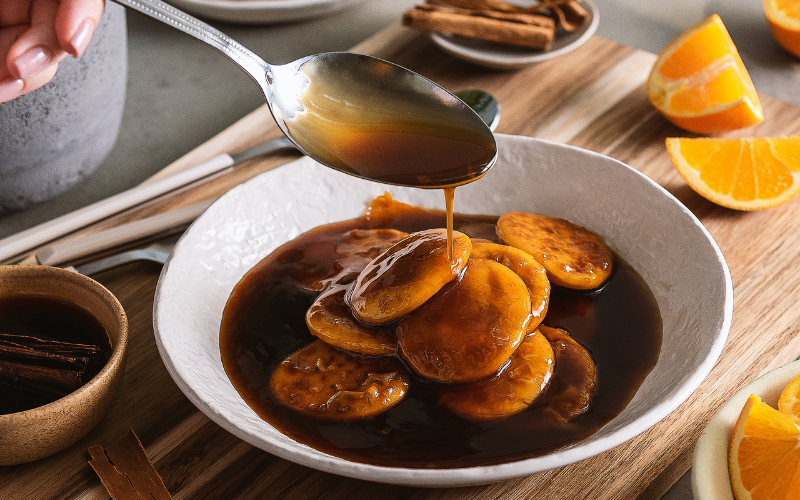
Sopaipillas pasadas are a beloved winter dessert in Chile. Made from fried discs of pumpkin dough, they’re soaked in a sweet syrup flavored with chancaca (unrefined cane sugar), cinnamon, and orange peel. Soft, sticky, and full of warm spices, they’re typically enjoyed on rainy afternoons alongside a cup of tea or coffee. You’ll find them in homes, cafés, and even from street vendors during the colder months.
The Joy of Chilean Winter Cooking
In Chile, winter meals are about more than just the food. They are moments of slowing down, sharing with others, and enjoying the familiar comfort of traditional recipes. Whether it is a hearty stew or a sweet, syrupy dessert, these dishes are often made with simple ingredients yet deliver deep, lasting satisfaction.
Cooking these meals yourself adds an entirely new layer to the experience. Tasting them in a restaurant brings pleasure, but preparing them in a welcoming kitchen surrounded by local stories and flavors creates a meaningful connection with Chilean culture. Cook in Chile invites you to explore this warmth from the inside out, turning tradition into something personal and unforgettable.
Experience the comfort of Chilean cuisine with your own hands
Your content goes here. Edit or remove this text inline or in the module Content settings. You can also style every aspect of this content in the module Design settings and even apply custom CSS to this text in the module Advanced settings.
5 Chilean Drinks You Have to Try (Beyond Pisco Sour)
Sip Your Way Through Chile’s Unique Flavors
We all know pisco sour is Chile’s signature cocktail, and yes, it’s delicious. But there’s so much more to sip and savor in Chile beyond this classic drink. From refreshing non-alcoholic options to sweet but sneaky cocktails that locals love, here are five must-try Chilean drinks that go far beyond the expected.
1. Mote con Huesillo - Chile’s Favorite Summer Drink
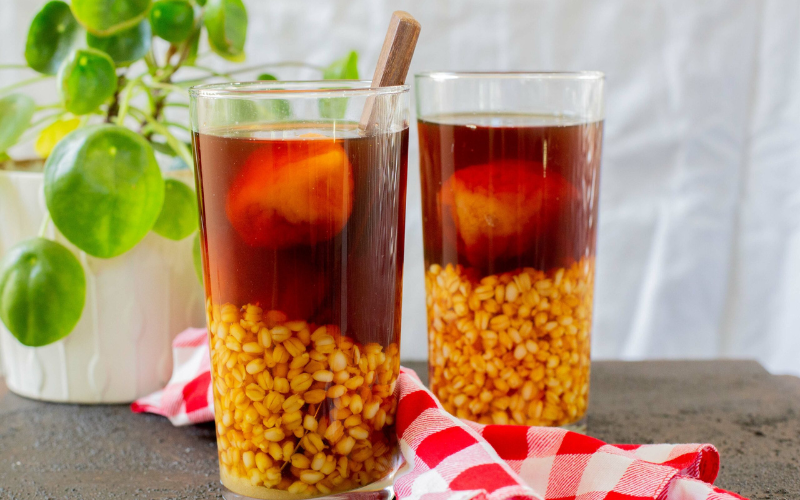
This is Chile’s most iconic non-alcoholic drink, especially during the summer months. It’s a sweet, syrupy blend of peach juice, dried peaches (huesillos), and husked wheat (mote). Served ice-cold, it’s refreshing, filling, and unlike anything you’ve tried before.
Where to try: Street vendors in Santiago’s parks, especially around Cerro San Cristóbal, or at summer festivals.
2. Vino Navegado - Chilean Mulled Wine
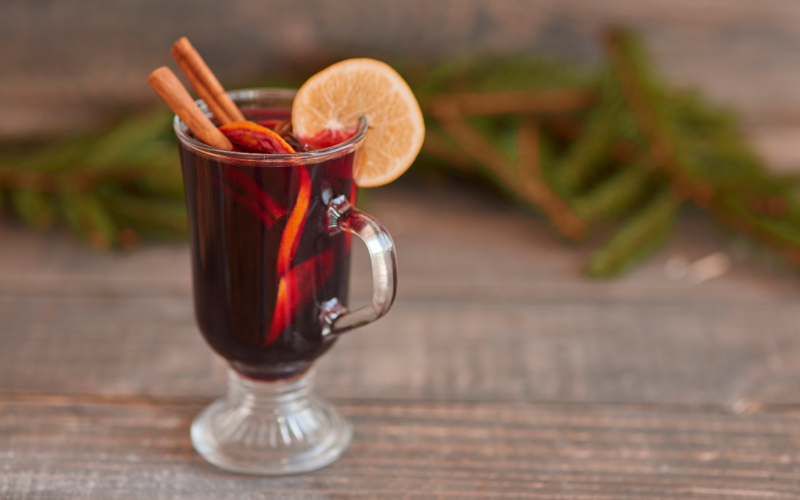
Think of vino navegado as Chile’s answer to mulled wine. Made with red wine, oranges, cloves, cinnamon, and sugar, it’s warm, cozy, and perfect for chilly evenings.
Where to try: Mountain towns, southern cities, or during winter festivals. It’s also easy to find at traditional restaurants during colder months.
3. Terremoto - The “Earthquake” Cocktail
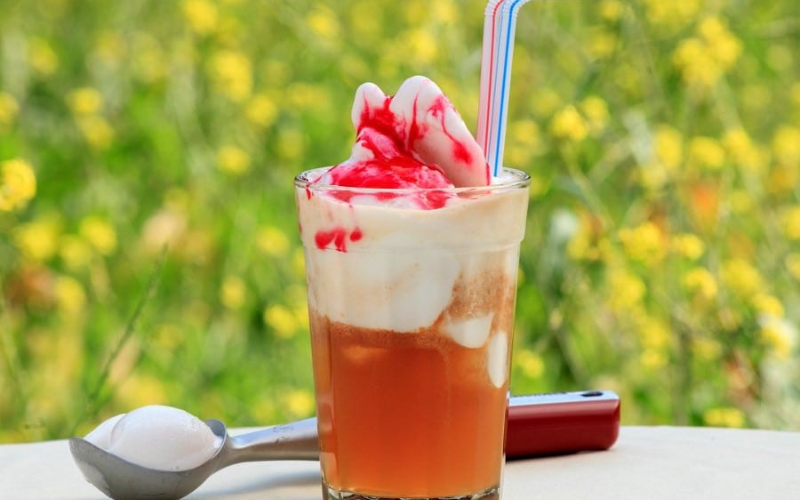
Don’t let the sweet taste fool you. This drink packs a punch! Terremoto (which means “earthquake”) is made with pipeño wine (a sweet fermented wine), pineapple ice cream, and grenadine. It’s famously strong and often leads to wobbly legs, hence the name.
Where to try: Bar La Piojera in Santiago is the most famous spot for this local favorite, though many traditional bars serve it.
4. Chilean Craft Beers - A Growing Trend
Chile’s craft beer scene has exploded in recent years, especially in the south. From smooth lagers to bold IPAs and rich stouts, you’ll find a wide variety of locally brewed beers.
Where to try: Southern cities like Valdivia, Puerto Varas, and Temuco are craft beer hotspots. Look for breweries like Kunstmann, Szot, and Tübinger.
5. Carménère Wine - Chile’s Signature Grape
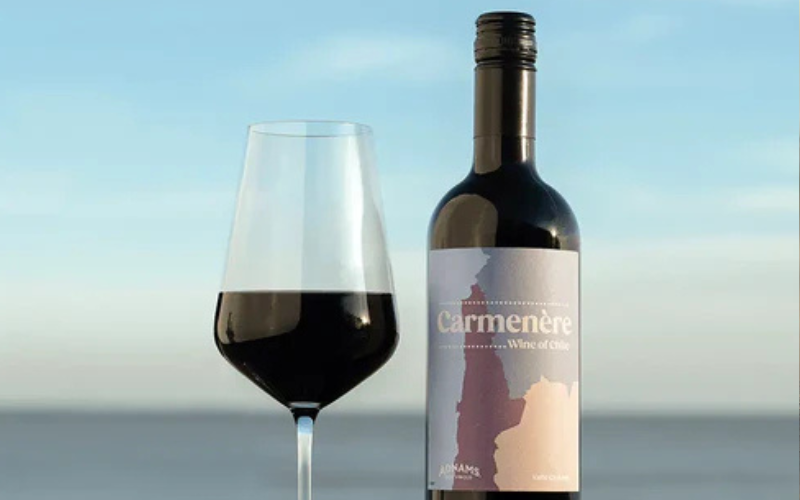
While technically not a “drink” you grab at a bar, you can’t leave Chile without tasting Carménère, the country’s flagship red wine. Smooth, rich, and full of dark fruit flavors, it’s often paired with traditional Chilean dishes.
Where to try: Any wine shop or restaurant, or straight from the vineyard if you’re exploring wine country.
Drink Like a Local
Chileans love to gather around good drinks, whether it’s a terrace with friends or a long family lunch that stretches into the afternoon. Don’t be surprised if drinks are paired with plenty of food. It’s all about sharing the moment.
Cook with us!
Falling in love with Chile’s drinks is easy. From bold red wines to refreshing pisco sours and herbal infusions like mate, each sip offers a taste of the country’s identity and traditions. Drinks are more than an accompaniment; they are part of the rhythm of everyday life, shared at the table and woven into the culture.
Cook in Chile offers a culinary experience where food and drink come together authentically. While the focus is on preparing traditional dishes, you will also discover how locals pair meals with regional beverages and pick up tips to recreate that harmony at home. It is a flavorful way to deepen your connection to Chilean cuisine.
Your content goes here. Edit or remove this text inline or in the module Content settings. You can also style every aspect of this content in the module Design settings and even apply custom CSS to this text in the module Advanced settings.