When you think of Argentine cuisine, it’s almost impossible not to imagine the aroma of meat sizzling over an open fire. Asado is not just a type of barbecue; it’s a cherished tradition that lies at the very core of Buenos Aires culture. It brings people together, family, friends, neighbors, to share food, stories, and laughter over long, leisurely meals.
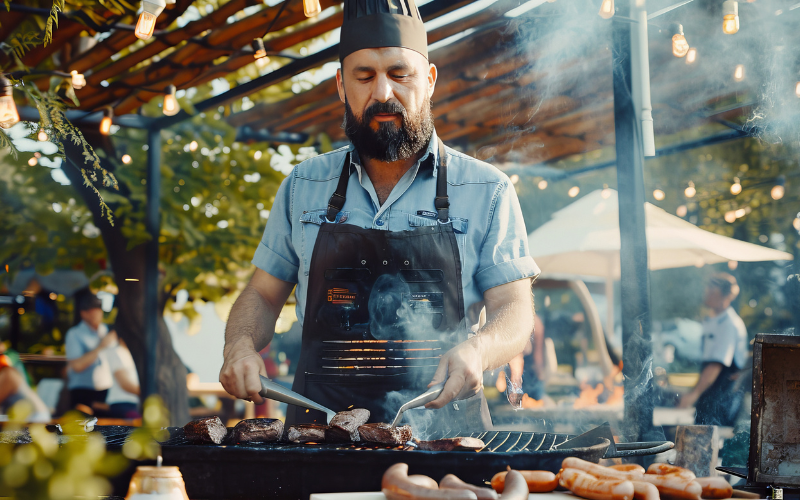
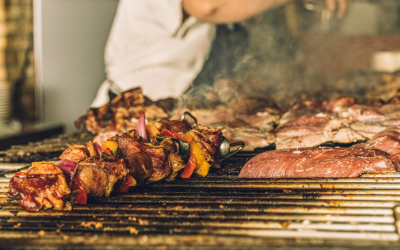
At the center of the asado is the asador, the grill master, whose role is almost ceremonial. The asador carefully selects the wood or charcoal and manages the fire’s temperature, making sure it’s just right for the different cuts of meat. Patience is key here, as asado is cooked slowly, often over several hours. This slow cooking allows the meat to become tender, juicy, and infused with smoky flavors.
The selection of meats is extensive and varies from cut to cut. Some of the most popular choices include costillas (ribs), vacío (flank steak), chorizo (pork sausage), and morcilla (blood sausage). Each bite offers a slightly different texture and flavor, making the asado a varied and satisfying feast. Provoleta, a grilled provolone cheese often seasoned with oregano and chili flakes, is served hot and gooey, perfect for sharing while the meat cooks.
A memorable experience
What surprised me most when I attended my first asado in Buenos Aires was the relaxed, almost festive atmosphere. As the meat grills, conversations flow freely, and glasses of Malbec wine circulate the table. The meal is not rushed, it’s meant to be savored and enjoyed over several hours, sometimes lasting well into the night.
For visitors eager to experience an authentic asado, Buenos Aires offers a range of options. High-end parrillas like Don Julio and La Cabrera in Palermo are famous for their top-quality meat and attentive service. If you want something more traditional and down-to-earth, places like Parrilla Peña offer a genuine neighborhood vibe, where locals come to eat, drink, and socialize.
Pairing your asado with a good Argentine Malbec or Torrontés wine enhances the flavors and elevates the experience. Many restaurants have sommeliers who can recommend the perfect match.
Cook with us
Asado is about more than just food. It is a cultural ritual that speaks to Argentina’s values of hospitality, friendship, and respect for good ingredients prepared with care. Gathering around the grill is a cherished tradition that brings people together and turns every meal into a celebration.
Cook in Buenos Aires invites you to explore that spirit in a hands-on cooking experience guided by a local chef. You will learn how iconic Argentine dishes come to life, gaining insight into the techniques and traditions that make the country’s cuisine so special. Whether you find yourself by the grill or at the table, the flavors and stories you take home will stay with you.
Join us in the kitchen and bring a taste of Argentina’s most beloved traditions with you.
Traditional Peruvian Breakfasts You Shouldn’t Miss
Start your morning like a local with these classic dishes
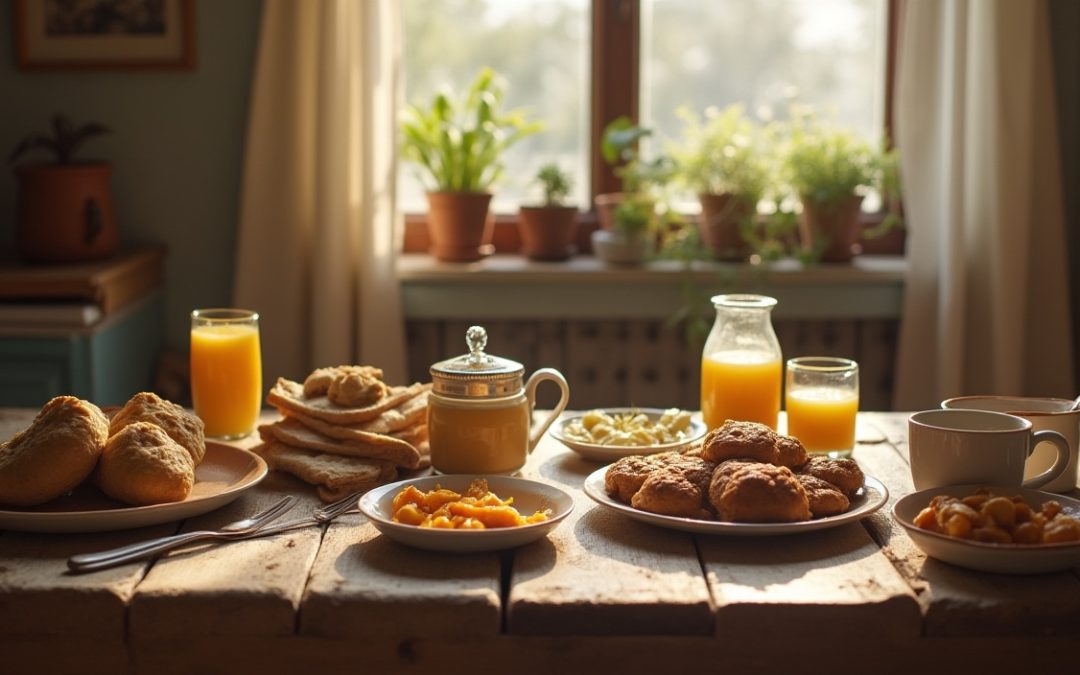
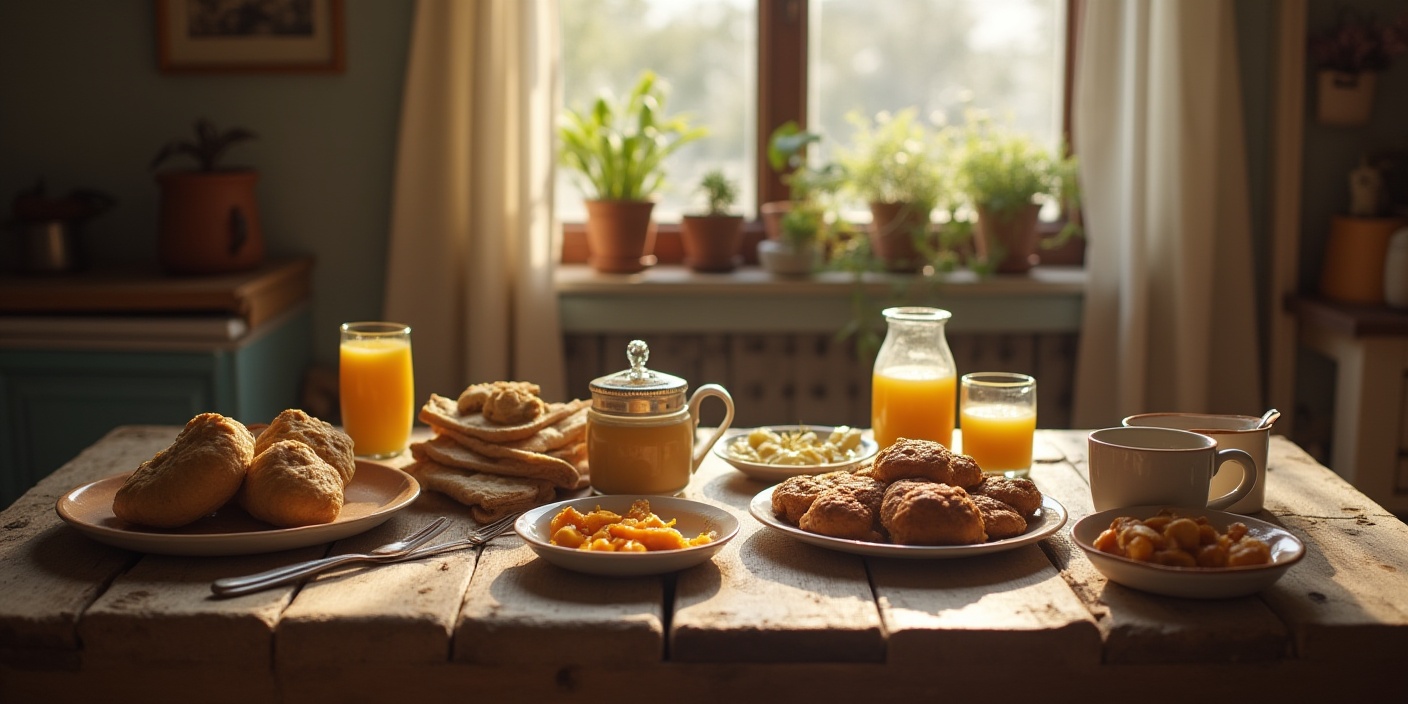
Breakfast in Peru is often simple but satisfying, combining fresh ingredients with bold, comforting flavors. From the bustling streets of Lima to quiet mountain towns, mornings start with a variety of beloved dishes that locals have enjoyed for generations.
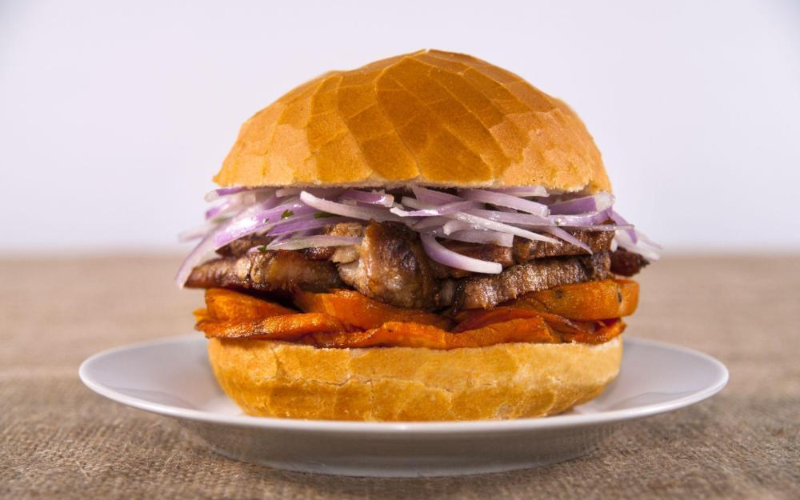
Pan con Chicharrón
This hearty sandwich features crispy pork belly served on fresh bread with slices of sweet potato and salsa criolla (a tangy onion relish). It’s a weekend favorite, especially in coastal cities, where it’s often paired with a strong cup of coffee or emoliente.
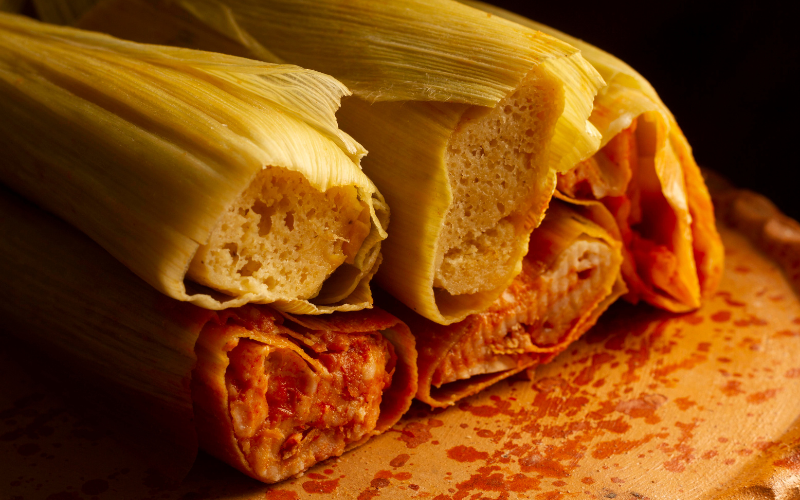
Tamales
Peruvian tamales come in both sweet and savory varieties. Made from seasoned corn dough wrapped in banana leaves, they’re typically filled with meat, olives, or peanuts. Many locals enjoy tamales for breakfast alongside fresh bread and coffee, especially on Sundays.
Desayuno Andino
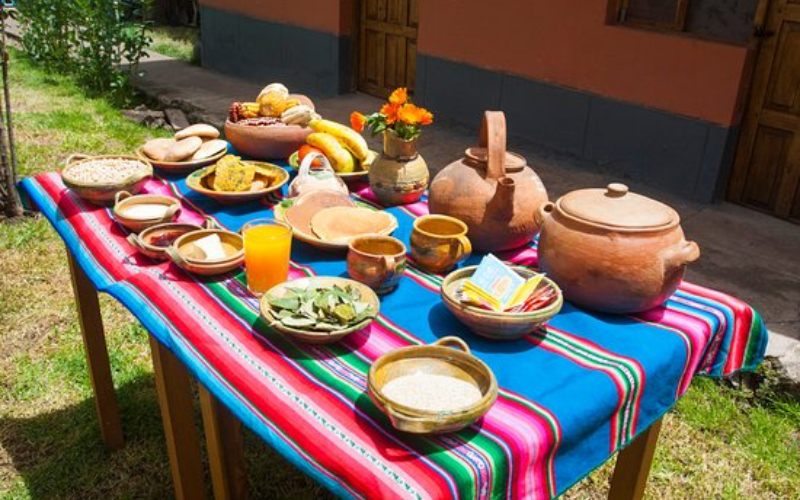
In the highlands, breakfast is all about warmth and nourishment. A typical Andean breakfast might include quinoa porridge with spices like cinnamon and cloves, served with fresh cheese and bread. Hearty, soothing, and perfect for cold mornings, these dishes fuel locals for long days of work.
Café con Leche and Pan Dulce
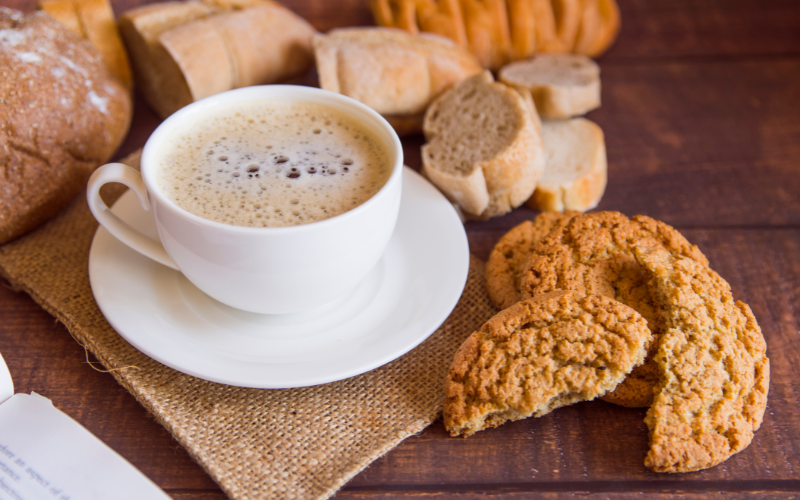
Many Peruvians opt for a lighter breakfast during the week. A simple meal of café con leche (coffee with steamed milk) and pan dulce (sweet bread) is common, particularly in urban areas where people eat quickly before starting their day.
Fruit Juices and Smoothies
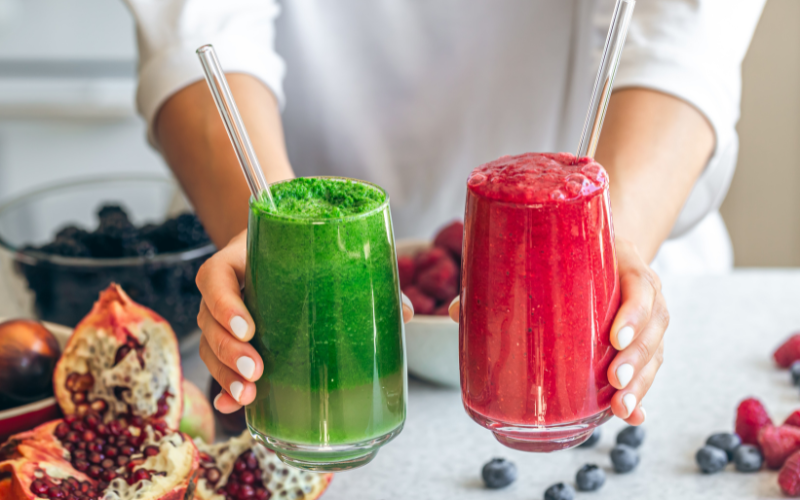
Thanks to Peru’s incredible variety of native fruits, fresh juices and smoothies are a breakfast staple. Popular choices include lucuma, mango, pineapple, and guanábana, blended into refreshing morning drinks sold at market juice stalls and cafés alike.
Cook with us
Peruvian mornings are rich in flavor and tradition. From market-fresh breads to hot drinks and savory bites, breakfast in Peru reflects a culture that values warmth, community, and good food to start the day.
Cook in Peru invites you to experience that tradition in a more personal way. In a hands-on class led by a local chef, you will prepare authentic dishes and learn how Peruvians bring flavor to their mornings. It is an opportunity to slow down, cook with intention, and see the country through its most essential daily rituals.
Trade the typical tour for something more meaningful and cook your way into Peruvian culture
Chile’s drink scene is full of surprises that go far beyond the well-known pisco sour. This guide highlights five unique and traditional beverages, offering a refreshing way to experience the country’s culture through its flavors.
One of the most beautiful aspects of Peruvian cuisine is its close connection to the seasons. Thanks to Peru’s diverse geography – ranging from the Amazon rainforest to the Andes mountains and Pacific coast – each time of year brings new ingredients and flavors to the table.
Summer (December to March)
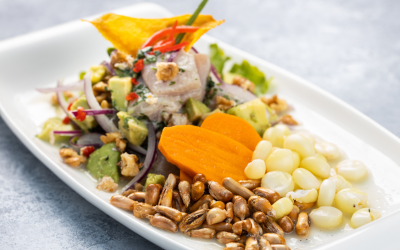
During the warm, sunny months, coastal regions offer an abundance of fresh seafood and fruits. This is peak season for dishes like ceviche, which highlights the freshest fish and citrus. Summer is also the perfect time to sample tropical fruits such as mango, maracuyá (passion fruit), and guanábana (soursop), which are often used in desserts or refreshing juices.
Autumn (April to June)
As the weather begins to cool, hearty dishes start to appear more often at family tables. Corn harvest season brings countless varieties of maize, while potatoes and other tubers are at their best. Many soups and stews served during these months feature these comforting ingredients, often paired with cheese or slow-cooked meats.
Winter (July to September)
In the highlands, winter calls for hearty comfort foods. Soups like caldo de gallina and stews made with quinoa or legumes help locals stay warm during cold nights. Seasonal produce like oca (an Andean tuber) and squash also make frequent appearances in traditional dishes.
Spring (October to November)
Spring brings a welcome variety of fresh vegetables and fruits to markets across the country. It’s also a time for lighter dishes, such as salads made with avocados and tomatoes, and sweets that highlight seasonal fruits like strawberries.
Cook with us
Throughout the year, food remains at the heart of Peruvian life. From coastal summers to highland winters, each season brings its own ingredients, rhythms, and recipes that reflect the country’s deep connection to the land and climate. No matter when you visit, you will find flavors that speak to the moment and meals that celebrate tradition in every bite.
Cook in Peru offers a unique way to experience this seasonal richness. In a welcoming kitchen led by a local chef, you will explore traditional recipes, work with fresh ingredients, and discover the stories that make each dish meaningful. It is an opportunity to engage with Peru’s culinary culture in a hands-on, memorable way.
Come cook with us and discover the flavors of Peru through the seasons.
Best Wineries in Chile: Where to Drink and Dine in Style
Discover Chile’s Wine Country, One Glass (and Bite) at a Time
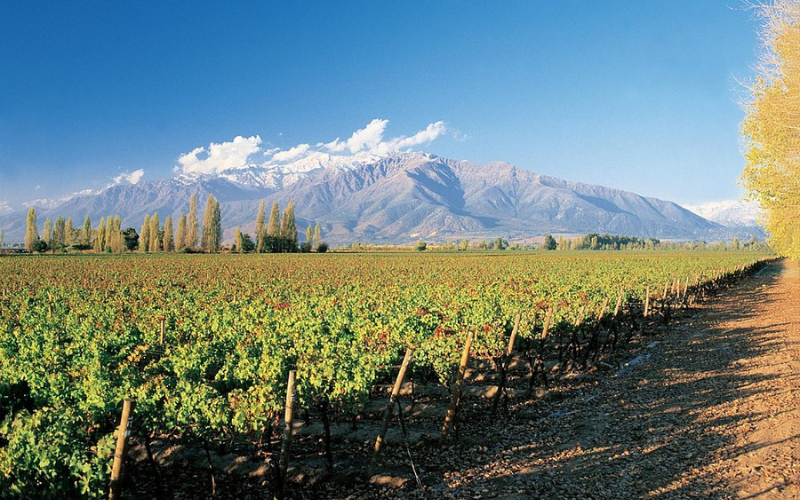
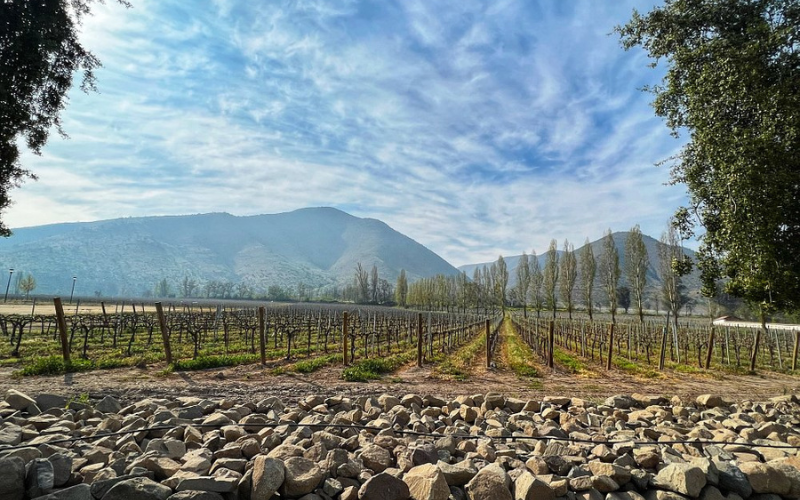
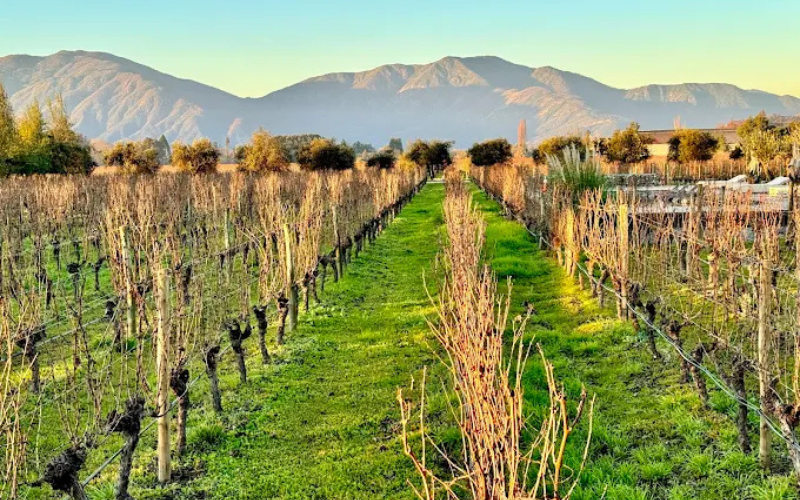
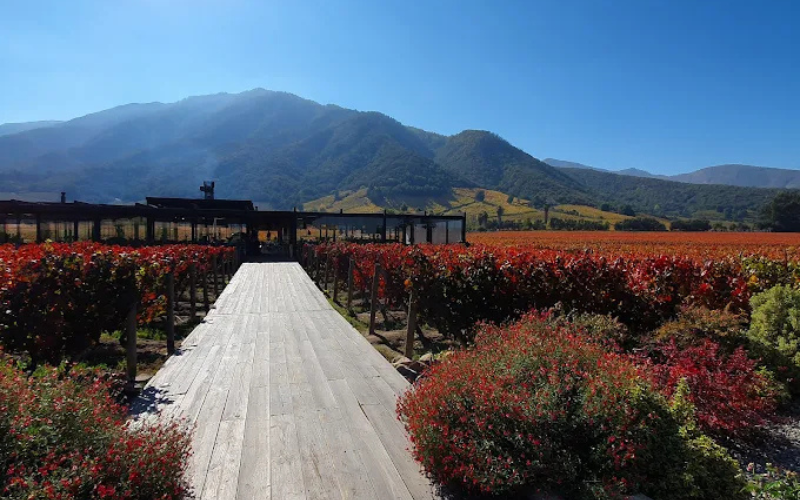
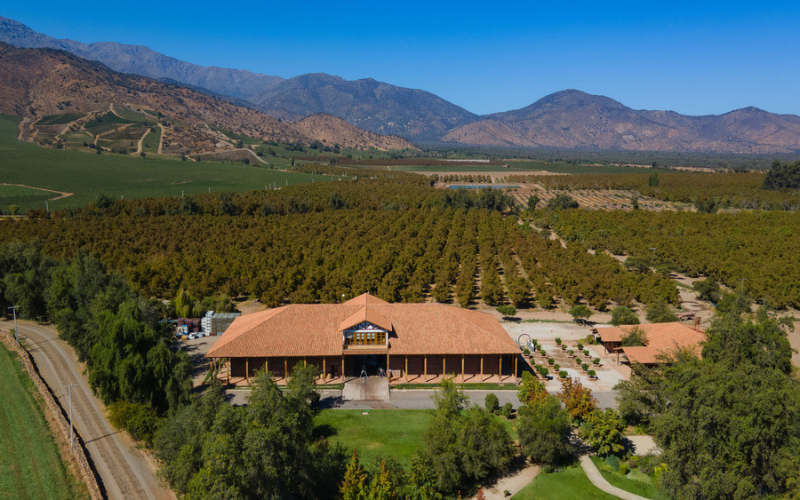
If you’re a wine lover, Chile is about to steal your heart. This long, narrow country isn’t just famous for its breathtaking landscapes. It’s also home to some of the most exciting wineries in the world.
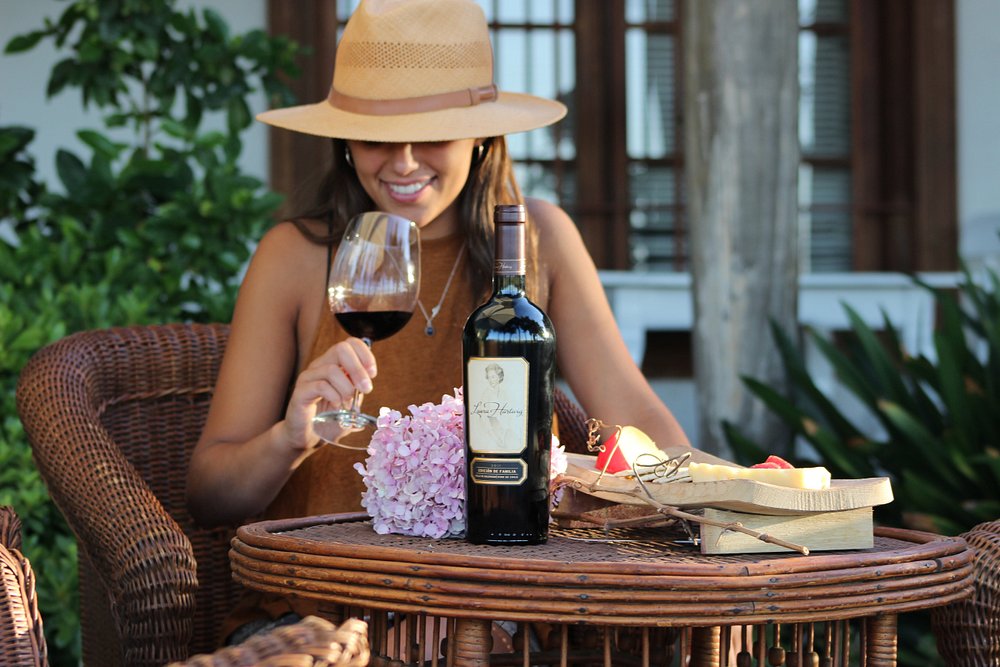
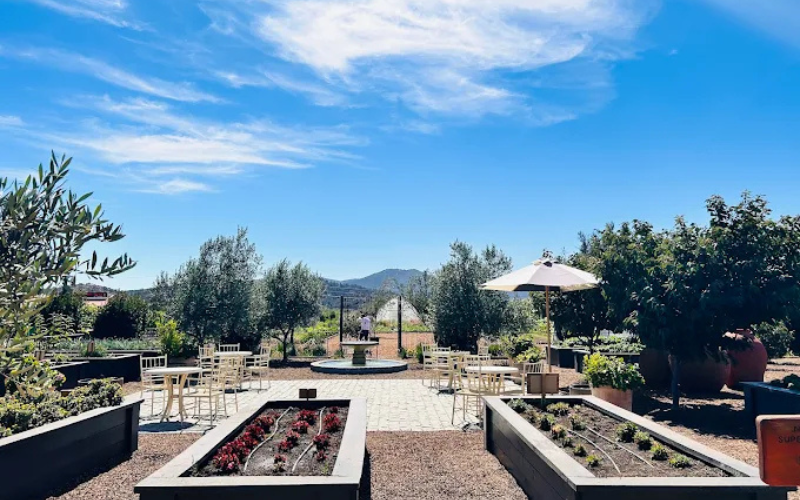
But here’s the secret: many of these wineries aren’t just about sipping wine. They also offer incredible culinary experiences that make your visit even more memorable. Think multi-course tasting menus, cheese pairings, and even picnics surrounded by vineyards.
I still remember the afternoon I spent at a vineyard near Casablanca Valley. My friends and I shared a picnic under the sun, surrounded by endless rows of vines, laughing and sipping crisp Sauvignon Blanc. It felt like we were in a postcard.
Ready to indulge? Here are some of the best wineries in Chile where you can wine, dine, and soak in the scenery.
1. Concha y Toro (Maipo Valley)
Let’s start with one of Chile’s most iconic names: Concha y Toro. Located just outside Santiago, this vineyard is famous for its Casillero del Diablo wines and its stunning old cellars, which are steeped in legend.
Beyond the wine tasting, they offer guided tours through the gardens, cellars, and even a beautiful old manor house. You can also enjoy wine pairings with fine cheeses or chocolate. Plus, the view of the Andes makes the experience even more magical.
2. Viña Santa Rita (Maipo Valley)
This winery perfectly combines history, wine, and food. It’s housed in a national historic monument, with sprawling grounds that include a museum and a charming hotel.
Their Doña Paula Restaurant is a highlight , offering traditional Chilean dishes with modern twists, perfectly paired with their wines. Think roasted lamb, fresh seafood, and decadent desserts. It’s a full-day affair that’s worth every second.
3. Viña Viu Manent (Colchagua Valley)
If you’re looking for something a bit more laid-back and intimate, Viu Manent is the place. Located in the heart of the Colchagua Valley, this family-owned winery offers beautiful carriage rides through the vineyards.
Their on-site restaurant, Rayuela Wine & Grill, serves up local ingredients with an open-fire kitchen vibe. Expect grilled meats, fresh garden veggies, and of course, plenty of their rich Malbecs and Carménères.
4. Viña Montes (Colchagua Valley)
A visit to Viña Montes feels almost spiritual. Their hilltop winery was designed using the principles of Feng Shui, and the views over the vineyards are breathtaking.
After touring their impressive barrel room and sampling their award-winning wines, head to Fuegos de Apalta, their restaurant led by world-famous chef Francis Mallmann. Expect wood-fired cooking at its finest , rustic, bold, and smoky flavors that match perfectly with Montes’ deep reds.
5. Casas del Bosque (Casablanca Valley)
Let’s start with one of Chile’s most iconic names: Concha y Toro. Located just outside Santiago, this vineyard is famous for its Casillero del Diablo wines and its stunning old cellars, which are steeped in legend.
Beyond the wine tasting, they offer guided tours through the gardens, cellars, and even a beautiful old manor house. You can also enjoy wine pairings with fine cheeses or chocolate. Plus, the view of the Andes makes the experience even more magical.
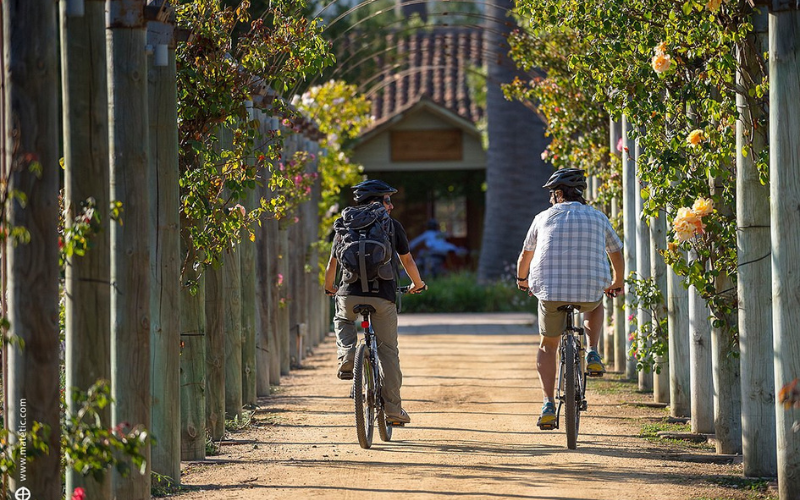
6. Matetic Vineyards (San Antonio Valley)
Nestled between the Andes and the Pacific coast, Matetic Vineyards is all about organic and biodynamic wines. Their sleek, modern winery feels like a hidden gem in the hills.
Their Equilibrio Restaurant is a must-visit for anyone who loves creative, farm-to-table cuisine. Expect seasonal dishes made from their own gardens, served alongside their balanced and elegant wines.
Extra Tip: Don’t Skip the Small Wineries!
While the big names get most of the attention, Chile’s wine country is dotted with smaller boutique wineries that offer a more personal experience. Many of these family-run spots will welcome you like an old friend, pouring generous tastings and sharing stories over a home-cooked meal.
Some hidden gems to look out for:
Viña El Principal (Maipo Valley)
Clos Apalta (Colchagua Valley)
Kingston Family Vineyards (Casablanca Valley)
Getting Around
The easiest way to explore these wineries is by renting a car or joining a wine tour with transportation included. If you prefer not to drive, there are plenty of group and private experiences departing from Santiago and major wine regions, making it easy to sit back, relax, and enjoy the journey. Whether you’re imagining a chic wine-pairing lunch in the Andes or a rustic picnic under the vines, Chile offers something unforgettable for every kind of traveler.
Cheers, or as they say in Chile, salud!
And if you want to take that experience a step further, there’s no better place to continue your culinary journey than in the kitchen. At Cook in Santiago, our hands-on cooking classes invite you to explore the heart of Chilean cuisine with a local chef as your guide. You’ll learn how to prepare traditional dishes using fresh local ingredients, gaining insights that go far beyond the vineyard. It’s an experience that brings the flavors of Chile to life and leaves you with skills and memories to savor long after your trip ends.
Chile’s drink scene is full of surprises that go far beyond the well-known pisco sour. This guide highlights five unique and traditional beverages, offering a refreshing way to experience the country’s culture through its flavors.
A Quick Guide to Peruvian Cheeses and How Locals Eat Them
Discover unique flavors from the Andes to the coast
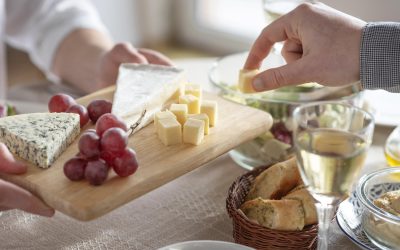
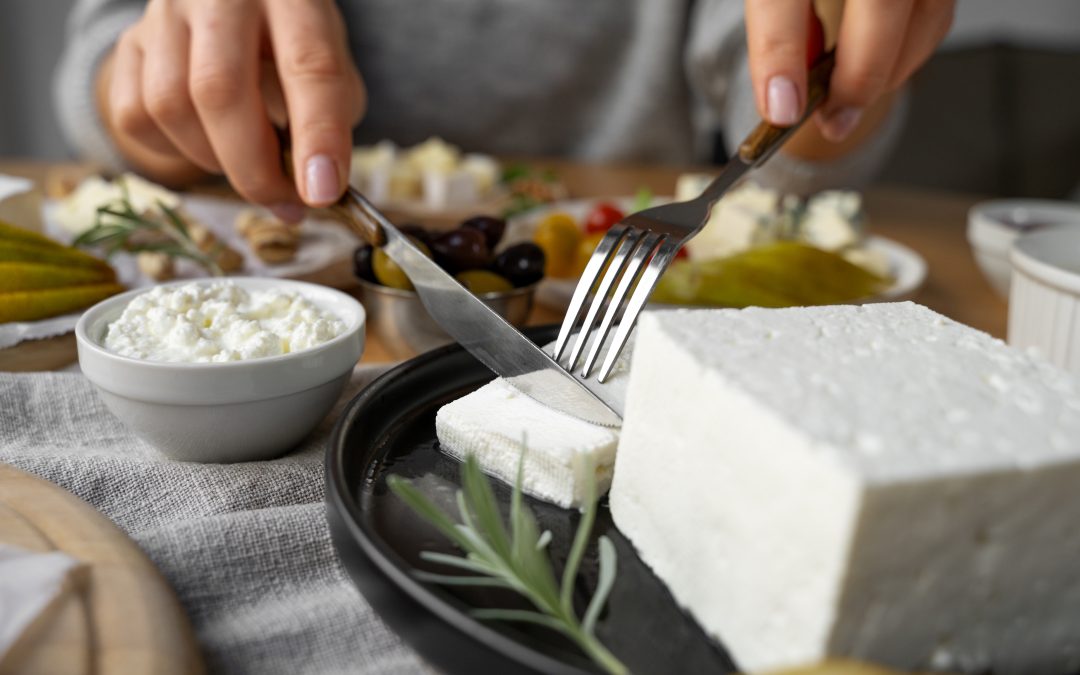
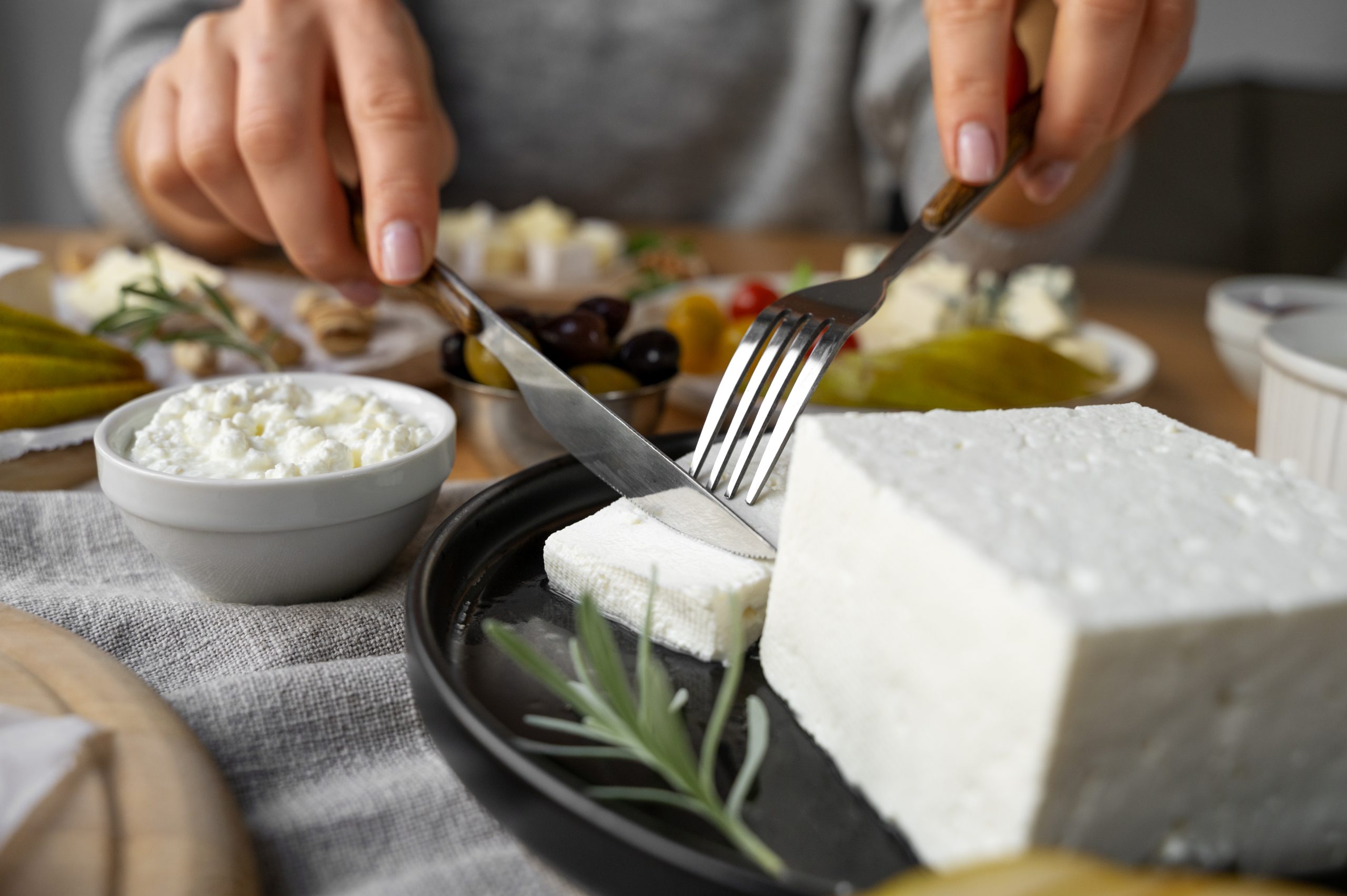
While Peru is best known for its fresh seafood and vibrant produce, its cheeses deserve a spotlight of their own. Crafted mainly in highland regions, Peruvian cheeses are simple, rustic, and often enjoyed as part of everyday meals.
In Peru, bread isn’t just a side dish – it’s a tradition deeply rooted in history and daily life. From soft, fluffy rolls to hearty Andean loaves, every region has its beloved varieties, and bread remains a staple at meals across the country.
1. Queso Fresco
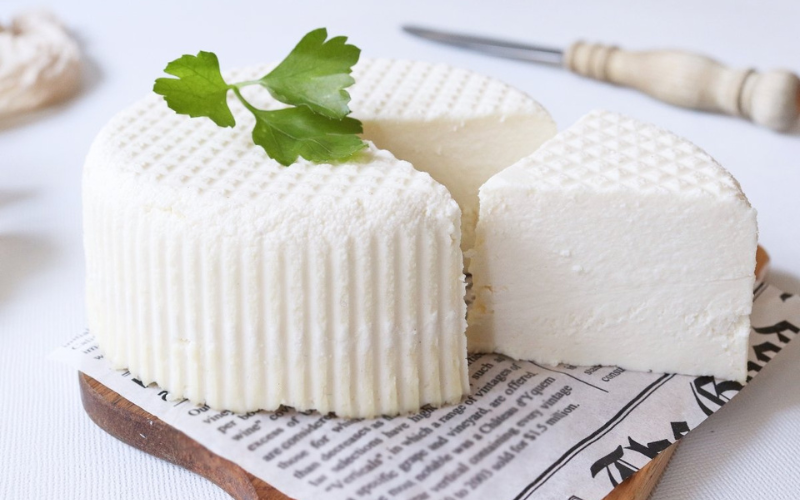
Queso fresco, or fresh cheese, is a staple throughout Peru. It’s mild, slightly salty, and soft enough to crumble over salads or soups. In many Andean towns, it’s often enjoyed with boiled potatoes or as a filling for dishes like humitas (sweet or savory corn tamales).
2. Queso Andino
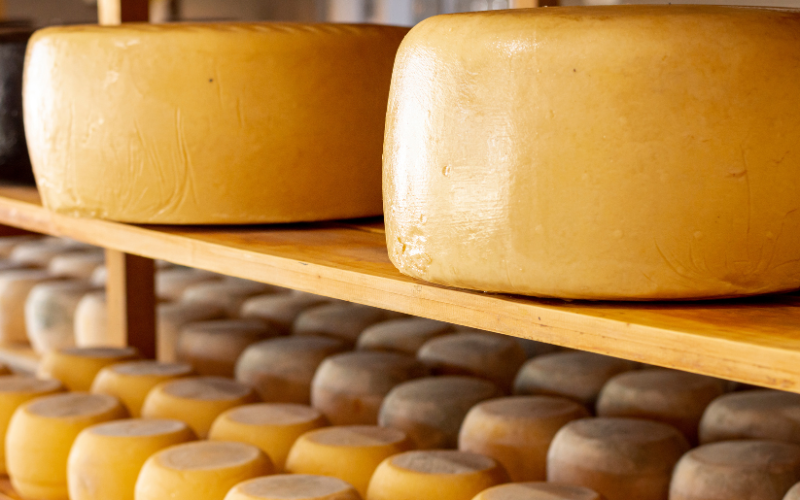
This firm, aged cheese is produced in the highlands and has a stronger, slightly tangy taste. It’s frequently eaten alongside bread or with hearty stews, where its sharpness balances rich, earthy flavors.
3. Quesillo
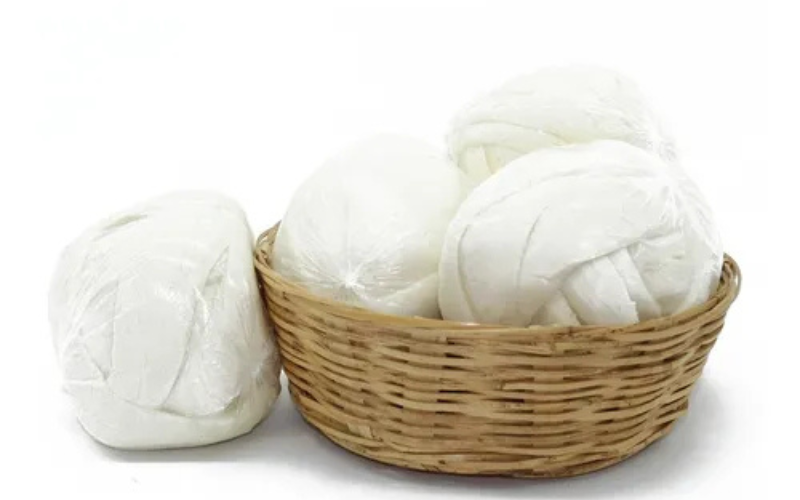
Popular in southern Peru, quesillo is a soft, fresh cheese with a creamy texture. It’s usually sold in small rounds at markets and eaten simply with fresh bread or corn. Many locals enjoy it as a snack or light meal.
4. Queso Paria
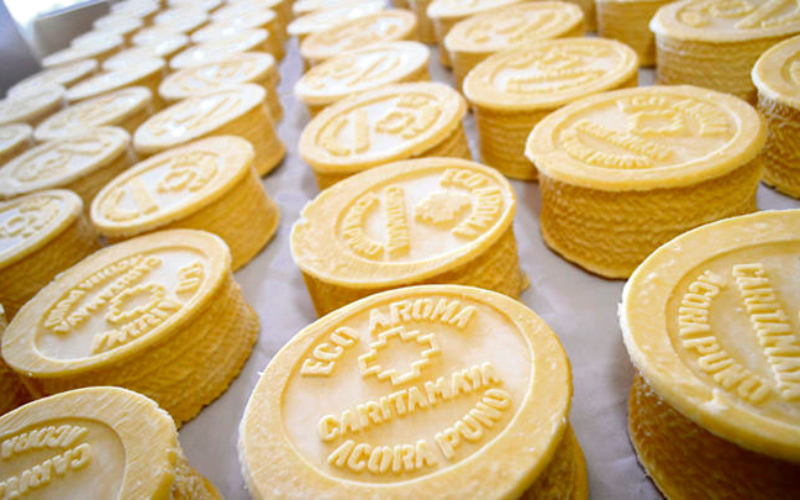
This semi-hard cheese comes from the Ayacucho region and is well-loved for its smooth, buttery flavor. It’s often melted into sauces or served with pachamanca, an iconic highland dish cooked underground.
Cook with us
In Peru, cheese is simple, fresh, and always meaningful. It is often paired with fruit, corn, or bread and shows up in everything from casual breakfasts to festive holiday meals. Whether you are exploring a rural market or sipping coffee in a city café, you are likely to come across a local variety of cheese served in its purest form.
For travelers curious about Peruvian cheeses and eager to explore how local ingredients come to life in the kitchen, Cook in Peru offers an unforgettable culinary experience. During this hands-on cooking class, you will join a local chef in their own kitchen and prepare authentic dishes that reflect the flavors and traditions of everyday Peruvian life. From the ingredients you choose to the stories behind each recipe, every detail brings you closer to the heart of the culture.
Step away from the typical tourist routine and try something different.
Book your class today and discover the richness of Peru’s food culture from the inside out.
Chile’s drink scene is full of surprises that go far beyond the well-known pisco sour. This guide highlights five unique and traditional beverages, offering a refreshing way to experience the country’s culture through its flavors.