When I first explored Buenos Aires beyond the tourist neighborhoods, I discovered that some of the best meals happen in humble, family-run places where the locals eat daily. These spots don’t always make the guidebooks, but they offer the true taste of the city: generous portions, traditional recipes, and lively atmospheres filled with Porteños enjoying their favorite dishes. If you want to eat like a local, here are a few places where you’ll find authentic flavors and friendly faces.
Parrilla Peña
For a genuine parrilla experience, Parrilla Peña in Recoleta is hard to beat. It’s a straightforward, no-frills steakhouse where locals come to enjoy perfectly grilled beef at reasonable prices. The bife de chorizo paired with papas fritas and a glass of house Malbec is a favorite. Don’t be surprised if the place is buzzing with regulars—it’s a neighborhood institution.
El Ferroviario
Located in Liniers, El Ferroviario is a bit off the beaten path but worth the trip. Famous for its generous grilled meat platters, this open-air parrilla attracts locals who appreciate quality and quantity. The weekend crowd is lively, making it a fun place to experience Argentine barbecue culture beyond the tourist scene.
El Banco Rojo
In San Telmo, El Banco Rojo offers a modern twist in traditional street food favorites. Popular with young locals and students, this casual spot serves spicy lamb empanadas, choripán with house-made sauces, and other flavorful bites. It’s perfect for a quick, satisfying lunch while exploring the neighborhood.
Café Margot
This historic café in Boedo has retained its old-world charm and remains a favorite among locals. It’s known for picadas (platters of cold cuts and cheeses), milanesas, and turkey sandwiches. Sitting at a sidewalk table with a cortado here is an ideal way to soak in daily life.
Los Galgos
Close to the city center, Los Galgos has been revamped into a cozy bistro offering traditional porteño dishes with a fresh touch. Whether it’s breakfast, lunch, or afternoon coffee with cake, this place draws locals who appreciate quality ingredients and a relaxed vibe.
Cook with us
Eating like a local means discovering places where tradition, flavor, and community come together, and Buenos Aires has plenty of those. From neighborhood cafés to family-run restaurants, every dish tells a story about the city’s identity and its love for simple, well-made food.
Cook in Buenos Aires invites you to take that experience a step further. In an intimate cooking class led by a local chef, you will prepare traditional dishes and learn about the customs that shape everyday life in Argentina. It is a personal and memorable way to connect with the culture through its most beloved flavors.
Step into the kitchen and discover the real taste of Buenos Aires.
There’s something special about the sweet side of Buenos Aires that caught my attention during my first stroll through the city’s lively markets and cafés. Whether it was the irresistible smell of freshly baked alfajores or the sight of locals savoring dulce de leche desserts, I quickly realized that Buenos Aires has a rich tradition of sweets that are as comforting as they are delicious. If you have a sweet tooth or just want to understand the city’s flavors better, here are some iconic desserts you absolutely must try.
Alfajores
These soft, round cookies are filled with a generous layer of dulce de leche and often coated in chocolate or dusted with powdered sugar. Alfajores are everywhere in Buenos Aires, from local bakeries to markets. One of the best places to try artisanal alfajores is the San Telmo Market, where you can find unique flavors like coconut or dark chocolate. For a more familiar brand, Havanna shops across the city offer tasty options perfect for souvenirs.
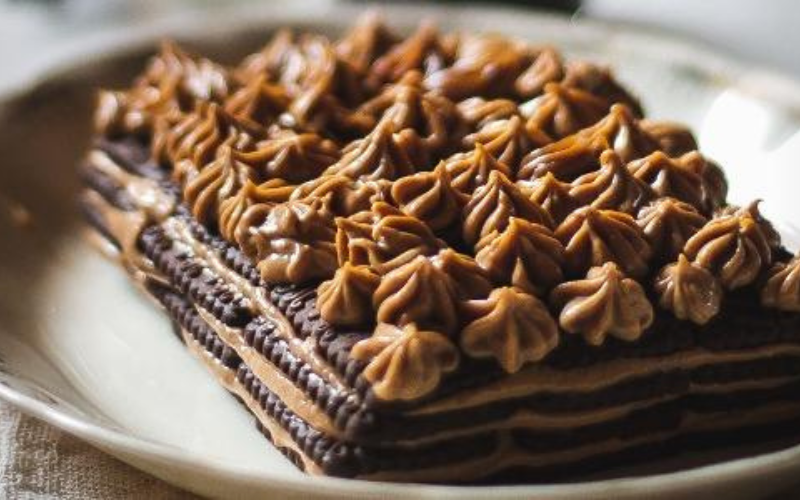
Chocotorta
Chocotorta is a no-bake cake made by layering chocolate cookies with dulce de leche and cream cheese. It’s a popular dessert for family gatherings and casual cafés. This simple yet indulgent treat showcases how Argentines turn humble ingredients into something special. You’ll often find it served at local bakeries or homemade in many households.
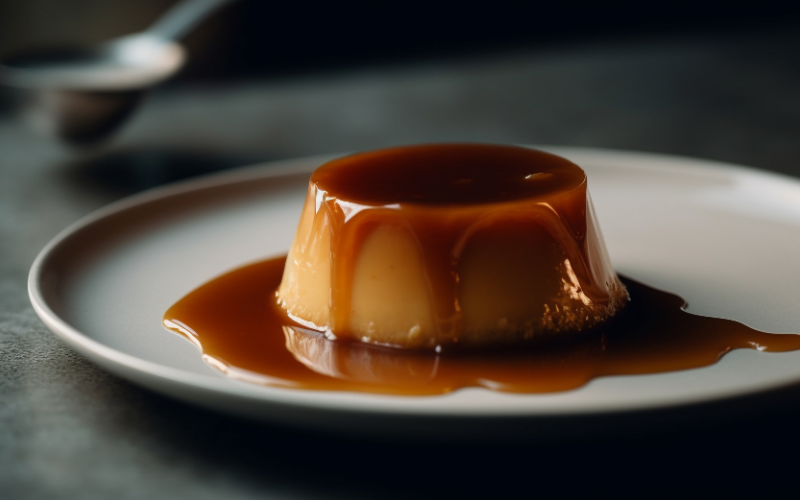
Flan con Dulce de Leche
A smooth caramel custard topped with a drizzle of dulce de leche, flan con dulce de leche is a creamy, rich dessert that pairs perfectly with a heavy meal. Many traditional restaurants and cafés serve this comforting sweet, especially in colder months when people crave something warm and satisfying.
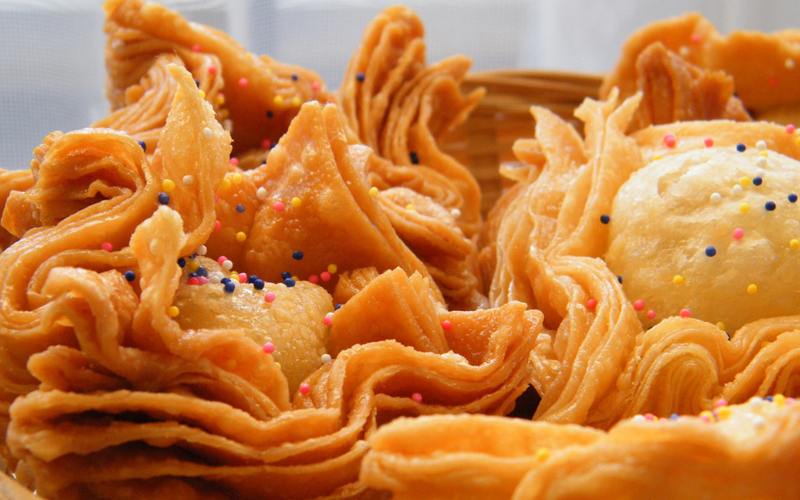
Pastelitos
Pastelitos are flaky pastries filled with sweet quince paste, known locally as dulce de membrillo, or other fruit jams. Crispy and golden, they are especially popular during festivals and national holidays. You can find them at pastry shops throughout Buenos Aires, often enjoyed with a cup of coffee.
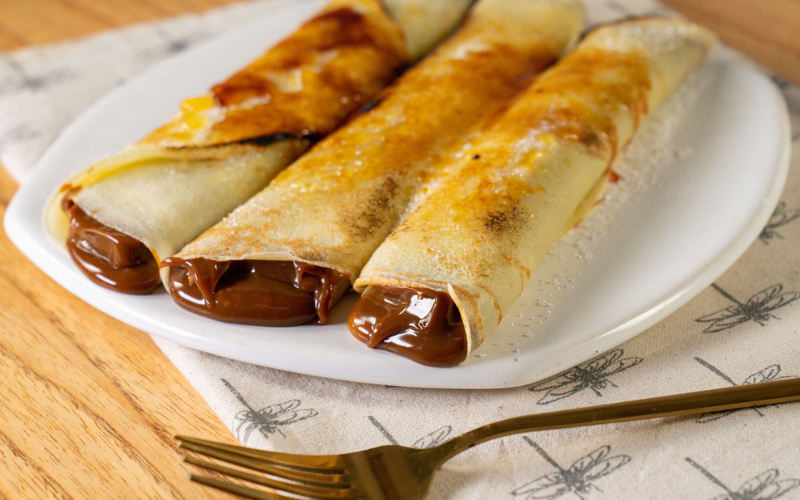
Panqueques con Dulce de Leche
These thin crepes filled with dulce de leche make for a popular sweet snack or dessert. They’re served in cafés and street food stalls alike and offer a deliciously simple way to enjoy one of Argentina’s most famous ingredients.
Final Thought
If you want to try making delicious Argentine dishes yourself, Cook in Buenos Aires offers a cooking class with a local chef. It’s a unique chance to learn authentic recipes and bring a taste of the city back home.
Buenos Aires’ sweets are full of warmth and tradition, making each bite a small celebration of the city’s rich culinary heritage.
Buenos Aires is a city made for wandering, and one of the best ways to explore it is through its street food. From neighborhood corners to bustling markets, you will find quick, satisfying bites that truly capture Argentina’s culture.
One of the most iconic street foods is choripán, a simple grilled chorizo sandwich. It feels like a celebration every time you take a bite. When I first visited Buenos Aires, grabbing a choripán from a stand near Feria de Mataderos became an unforgettable experience. The smoky aroma from the grill, the tangy chimichurri sauce, and the lively music of the fair combined to create a truly local moment.
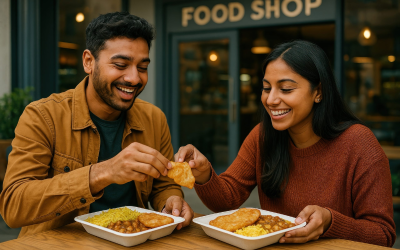
If you prefer something crispy and comforting, you should try the empanadas. These handheld pastries come with fillings like beef, chicken, or cheese and are found all over the city, from small street stalls to cozy cafés. For the freshest empanadas, head to La Cocina in Palermo, a spot locals love for its flaky crust and perfectly seasoned fillings.
Buenos Aires has a unique passion for fugazzeta, a thick, cheesy pizza loaded with onions. You will find this delicious treat in pizzerias along Avenida Corrientes, the city’s own version of Broadway. Guerrin and El Cuartito are two of the most famous places, both known for their rich history and crowds of loyal customers.
When you visit San Telmo on weekends, you will find stands selling provoleta, grilled provolone cheese that is rich and gooey. It is often topped with oregano and chili flakes. This snack is perfect for sharing and popular during festivals and outdoor gatherings.
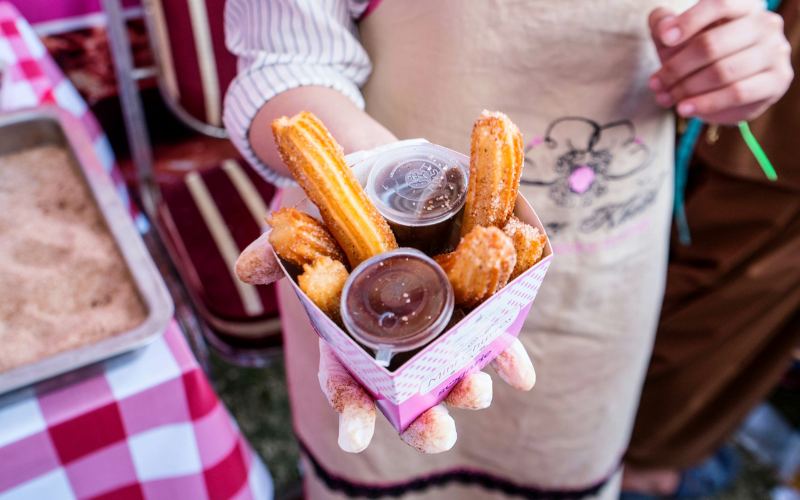
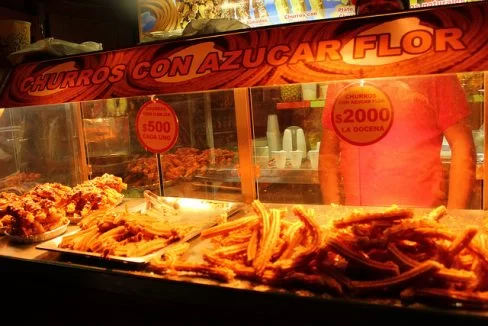
For a sweet ending, try the dulce de leche filled churros sold by vendors near parks and plazas. These warm fried dough sticks, dusted with sugar and filled with rich dulce de leche, make an excellent treat after an afternoon walk.
Cook with us
Argentine street food is packed with flavor, tradition, and the energy of everyday life. From sizzling grills to bakery counters, these local favorites are part of the city’s rhythm and charm, offering quick bites that tell a deeper cultural story.
Cook in Buenos Aires invites you to bring that spirit into the kitchen. In a hands-on class led by a local chef, you will learn to prepare traditional dishes inspired by the city’s streets, gaining new skills and a fresh perspective on Argentine food culture.
Taste the streets of Buenos Aires most authentically by cooking them yourself!
Discover Chile’s Tastiest Street Eats, One Bite at a Time
If you really want to understand a country’s food culture, head straight to the streets. In Chile, street food isn’t just a quick snack; it’s a reflection of local traditions, comfort, and creativity. Whether you’re in bustling Santiago or a sleepy coastal town, you’ll find vendors serving up irresistible bites that locals have loved for generations.
Here’s your guide to the best street food to try in Chile and where to find it.
1. Sopaipillas - The Ultimate Chilean Street Snack
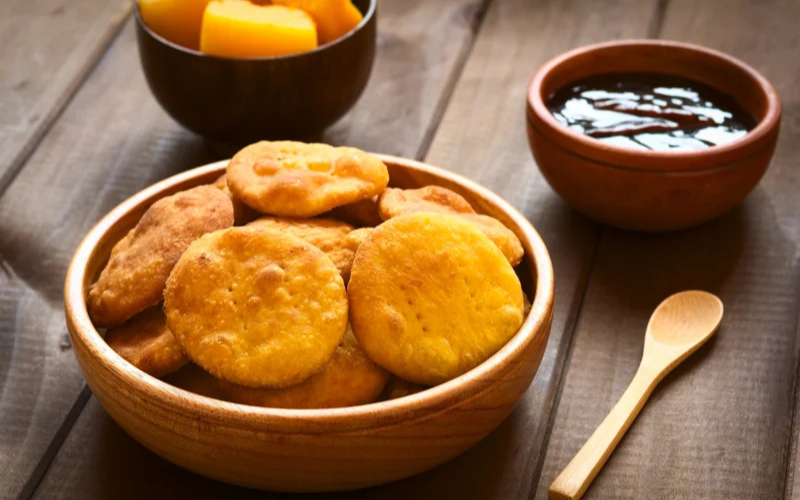
These deep-fried discs of dough, made with pumpkin, are everywhere , and for good reason. Crispy on the outside and soft inside, sopaipillas are comforting and super affordable. On chilly days, they’re often sold with pebre (a spicy salsa) or drenched in sweet chancaca syrup.
Where to try: Look for vendors in Santiago’s Plaza de Armas or near markets like La Vega Central.
2. Completo - The Chilean Loaded Hot Dog
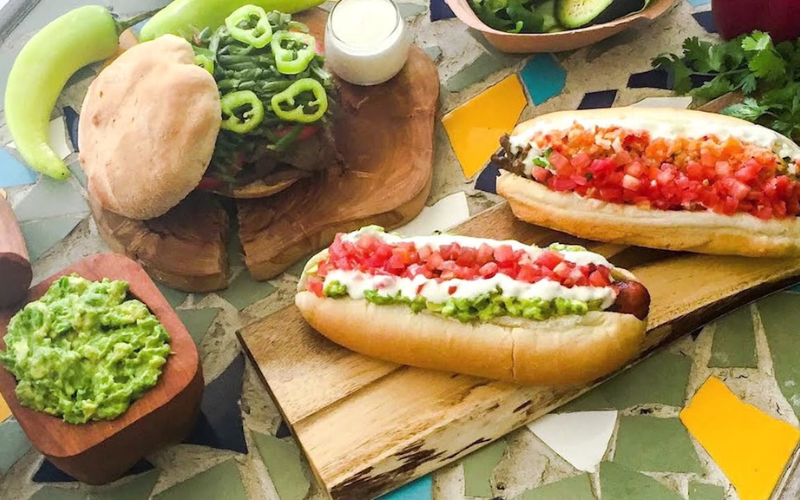
A street food classic! The completo is no ordinary hot dog, it’s piled high with avocado, tomato, mayonnaise, and sauerkraut. You’ll also find variations like the italiano (with green, white, and red toppings , just like the Italian flag).
Where to try: Almost anywhere, but Fuente Alemana in Santiago is famous for its massive, juicy completos.
3. Anticuchos - Chilean Meat Skewers
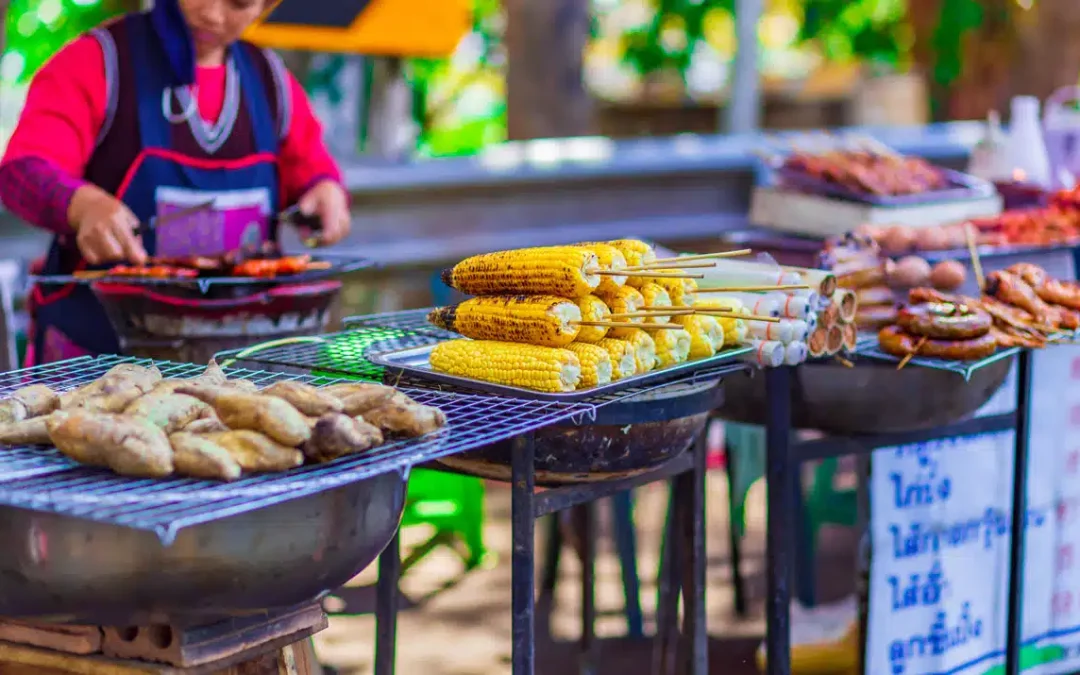
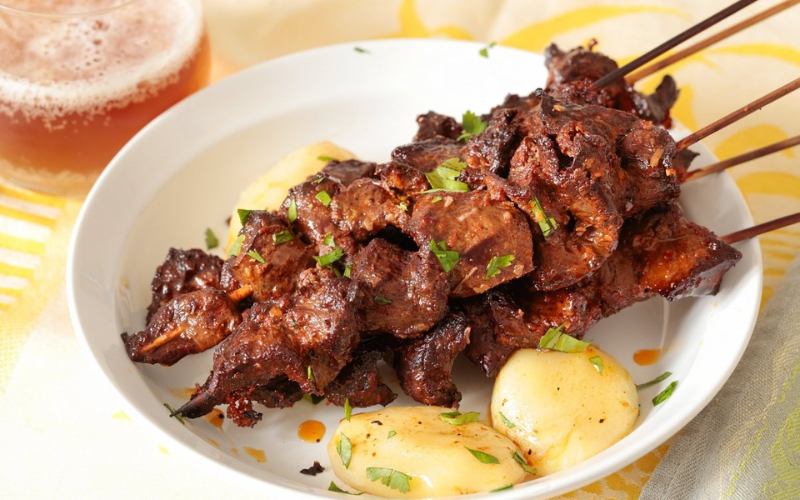
Simple, smoky, and satisfying, anticuchos are grilled meat skewers usually made with beef, chicken, or pork. They’re seasoned with spices, grilled over open flames, and often served with bread or potatoes.
Where to try: You’ll spot vendors near parks, festivals, and markets, especially in cities like Temuco and Valparaíso.
4. Ceviche Chileno - Fresh and Flavorful
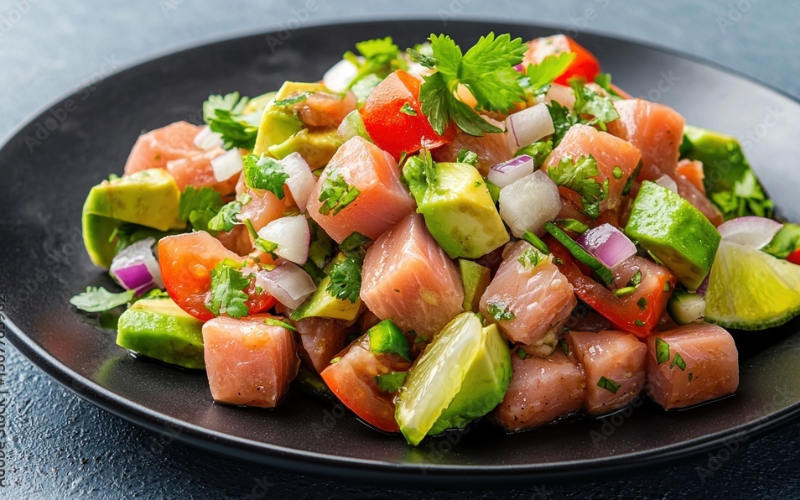
In coastal towns, you’ll find fresh ceviche served from small carts and stalls. Chilean-style ceviche usually features white fish marinated with lemon juice, onions, cilantro, and a bit of chili pepper for heat.
Where to try: Markets in Valparaíso, Viña del Mar, and Puerto Montt are known for their fresh ceviche stands.
5. Papas Rellenas - Stuffed Potatoes
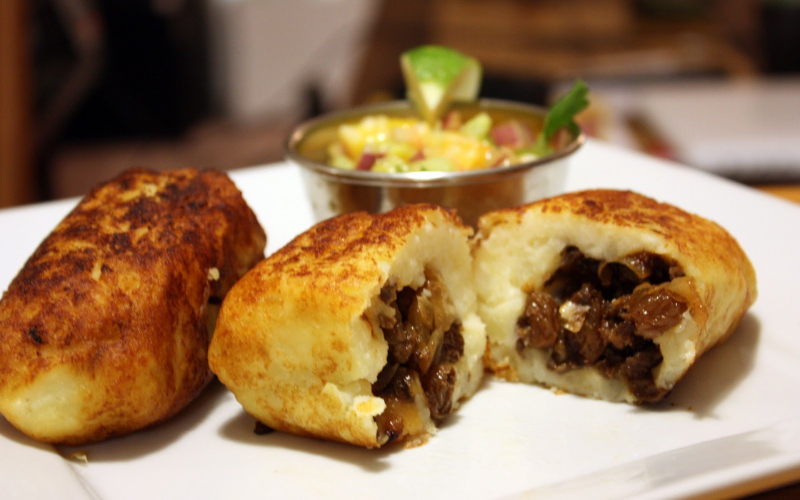
Papas rellenas are deep-fried stuffed potatoes filled with seasoned beef and sometimes hard-boiled eggs or olives. Crunchy on the outside, soft and savory inside , it’s the ultimate comfort food on the go.
Where to try: Look for them in the southern regions, particularly around Puerto Varas and Osorno.
6. Kuchen - German-Inspired Sweet Treat
Thanks to German immigrants, southern Chile has its own version of kuchen, a rich, fruity cake or tart. Flavors like apple, raspberry, and rhubarb are common.
Where to try: Southern towns like Frutillar and Puerto Varas are famous for their bakeries selling fresh kuchen.
The Street Food Experience
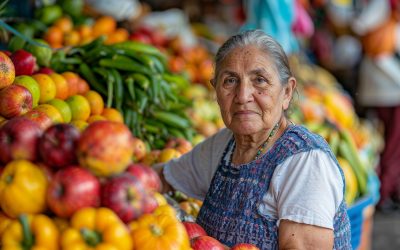
The beauty of Chilean street food is how communal it feels. Many locals grab a bite at a market stall and stand nearby, chatting with friends or strangers alike. Vendors are usually happy to explain what’s in each dish, don’t be afraid to ask!
A Word About Safety
As with street food anywhere, it’s smart to eat where there’s a steady stream of locals (a sign the food is fresh and tasty). Go for well-cooked items if you’re unsure about raw foods like ceviche.
Cook with us!
Inspired by Chile’s amazing street food? From flavorful completos to crispy sopaipillas, every bite reflects the country’s vibrant culture and everyday flavors. These dishes fill markets and streets with energy, bringing people together over something warm, simple, and deeply satisfying. And the best part is, you can take that experience home with you.
Cook in Chile offers hands-on classes where you’ll learn to prepare authentic local recipes, including some of the street food favorites that make this cuisine so memorable. Guided by local chefs, you’ll explore the ingredients, techniques, and traditions that define Chilean cooking. It is a chance to reconnect with the flavors of your trip and bring a piece of it into your own kitchen.
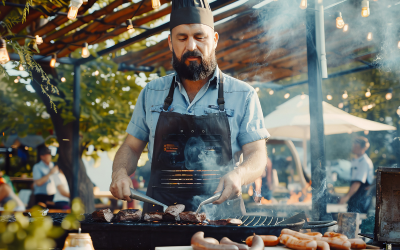
When you think of Argentine cuisine, it’s almost impossible not to imagine the aroma of meat sizzling over an open fire. Asado is not just a type of barbecue; it’s a cherished tradition that lies at the very core of Buenos Aires culture. It brings people together, family, friends, neighbors, to share food, stories, and laughter over long, leisurely meals.
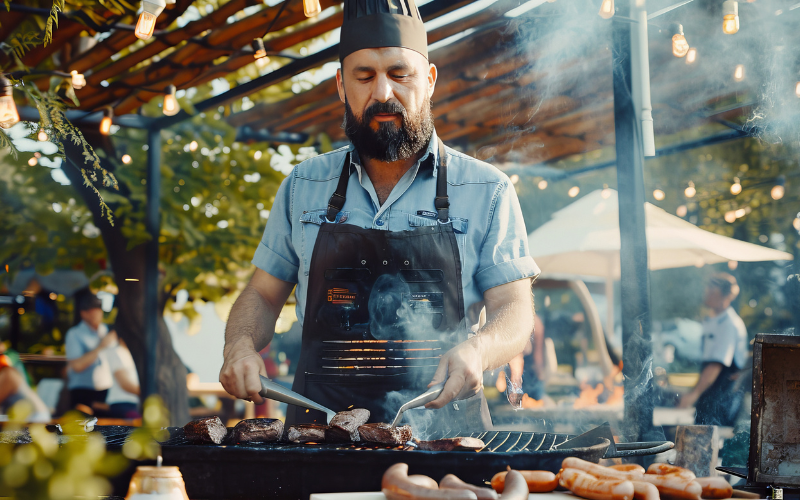
At the center of the asado is the asador, the grill master, whose role is almost ceremonial. The asador carefully selects the wood or charcoal and manages the fire’s temperature, making sure it’s just right for the different cuts of meat. Patience is key here, as asado is cooked slowly, often over several hours. This slow cooking allows the meat to become tender, juicy, and infused with smoky flavors.
The selection of meats is extensive and varies from cut to cut. Some of the most popular choices include costillas (ribs), vacío (flank steak), chorizo (pork sausage), and morcilla (blood sausage). Each bite offers a slightly different texture and flavor, making the asado a varied and satisfying feast. Provoleta, a grilled provolone cheese often seasoned with oregano and chili flakes, is served hot and gooey, perfect for sharing while the meat cooks.
A memorable experience
What surprised me most when I attended my first asado in Buenos Aires was the relaxed, almost festive atmosphere. As the meat grills, conversations flow freely, and glasses of Malbec wine circulate the table. The meal is not rushed, it’s meant to be savored and enjoyed over several hours, sometimes lasting well into the night.
For visitors eager to experience an authentic asado, Buenos Aires offers a range of options. High-end parrillas like Don Julio and La Cabrera in Palermo are famous for their top-quality meat and attentive service. If you want something more traditional and down-to-earth, places like Parrilla Peña offer a genuine neighborhood vibe, where locals come to eat, drink, and socialize.
Pairing your asado with a good Argentine Malbec or Torrontés wine enhances the flavors and elevates the experience. Many restaurants have sommeliers who can recommend the perfect match.
Cook with us
Asado is about more than just food. It is a cultural ritual that speaks to Argentina’s values of hospitality, friendship, and respect for good ingredients prepared with care. Gathering around the grill is a cherished tradition that brings people together and turns every meal into a celebration.
Cook in Buenos Aires invites you to explore that spirit in a hands-on cooking experience guided by a local chef. You will learn how iconic Argentine dishes come to life, gaining insight into the techniques and traditions that make the country’s cuisine so special. Whether you find yourself by the grill or at the table, the flavors and stories you take home will stay with you.
Join us in the kitchen and bring a taste of Argentina’s most beloved traditions with you.