Traditional Peruvian Breakfasts You Shouldn’t Miss
Start your morning like a local with these classic dishes
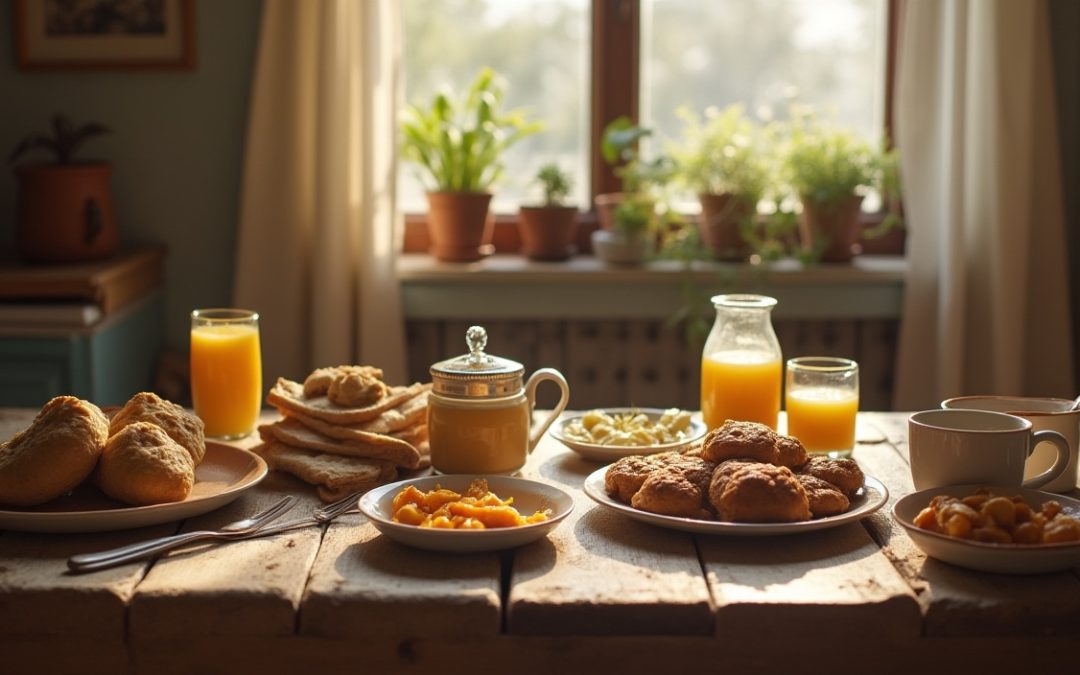
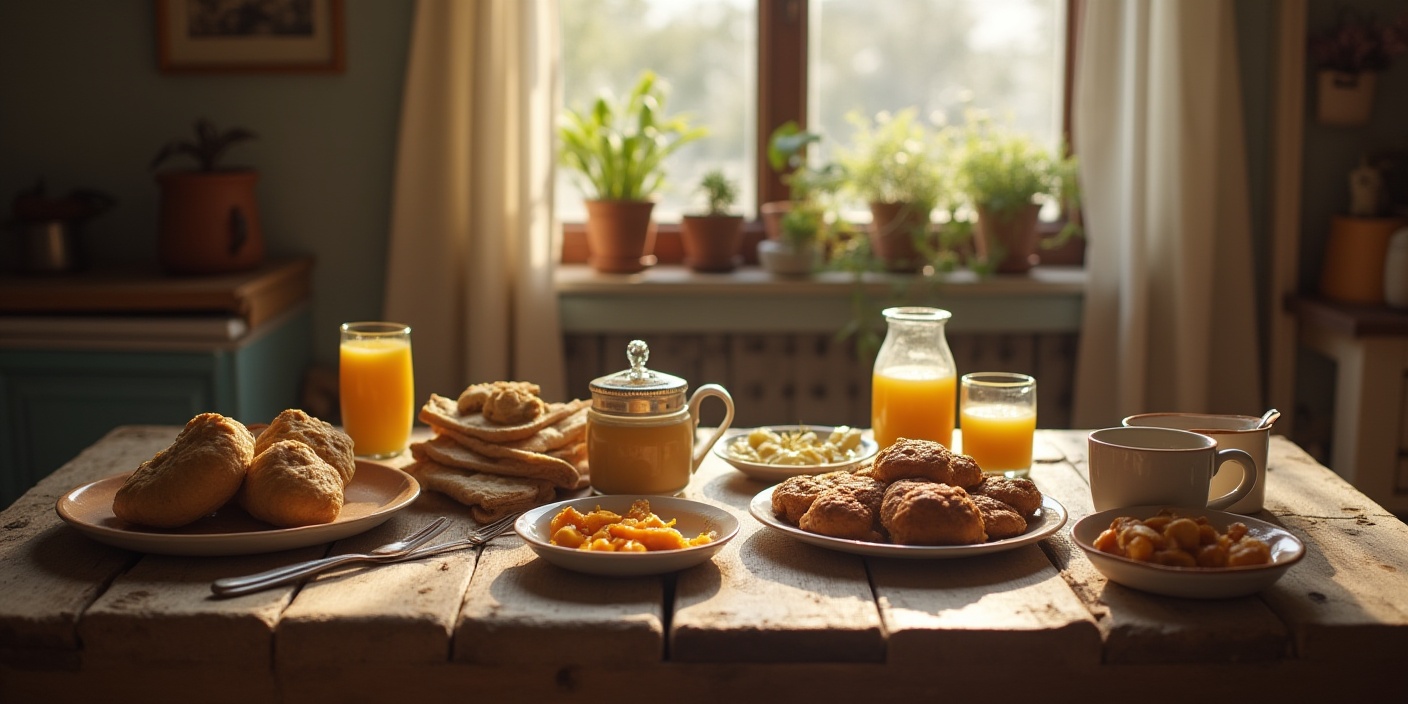
Breakfast in Peru is often simple but satisfying, combining fresh ingredients with bold, comforting flavors. From the bustling streets of Lima to quiet mountain towns, mornings start with a variety of beloved dishes that locals have enjoyed for generations.
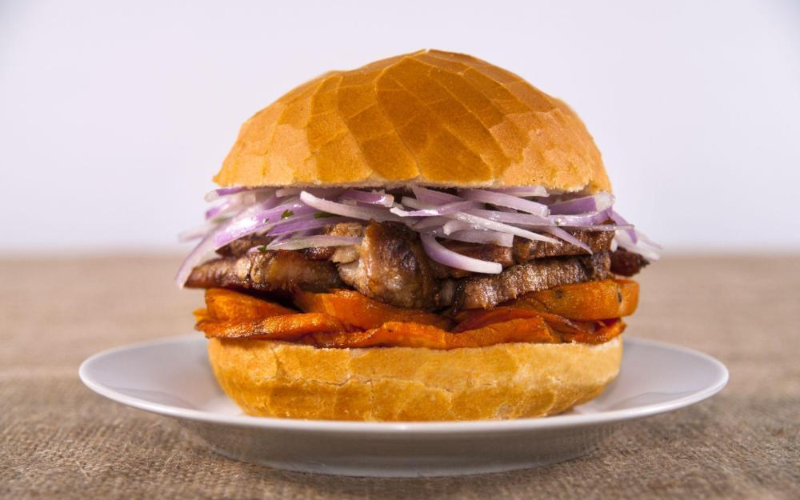
Pan con Chicharrón
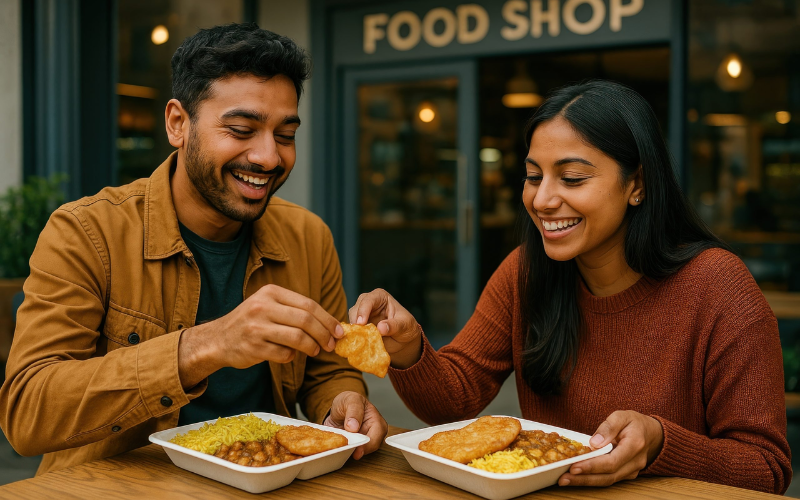
This hearty sandwich features crispy pork belly served on fresh bread with slices of sweet potato and salsa criolla (a tangy onion relish). It’s a weekend favorite, especially in coastal cities, where it’s often paired with a strong cup of coffee or emoliente.
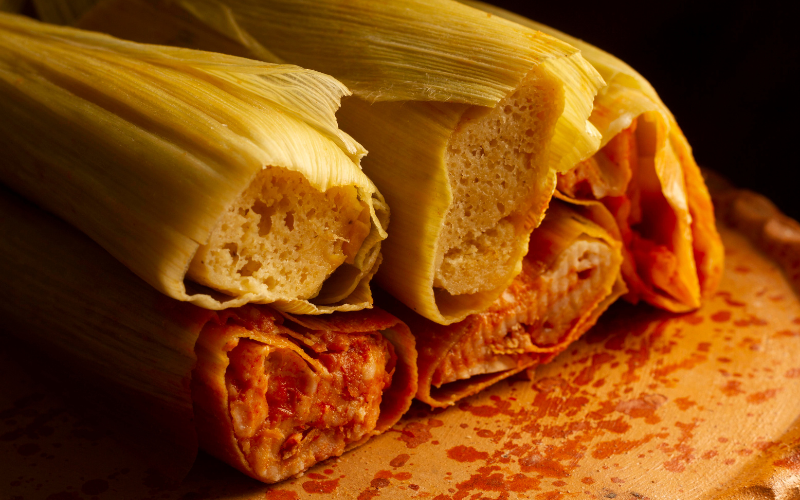
Tamales
Peruvian tamales come in both sweet and savory varieties. Made from seasoned corn dough wrapped in banana leaves, they’re typically filled with meat, olives, or peanuts. Many locals enjoy tamales for breakfast alongside fresh bread and coffee, especially on Sundays.
Desayuno Andino
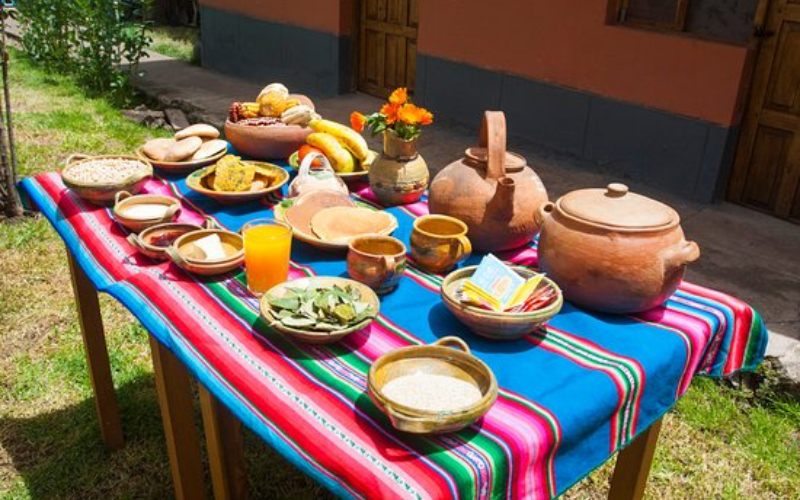
In the highlands, breakfast is all about warmth and nourishment. A typical Andean breakfast might include quinoa porridge with spices like cinnamon and cloves, served with fresh cheese and bread. Hearty, soothing, and perfect for cold mornings, these dishes fuel locals for long days of work.
Café con Leche and Pan Dulce
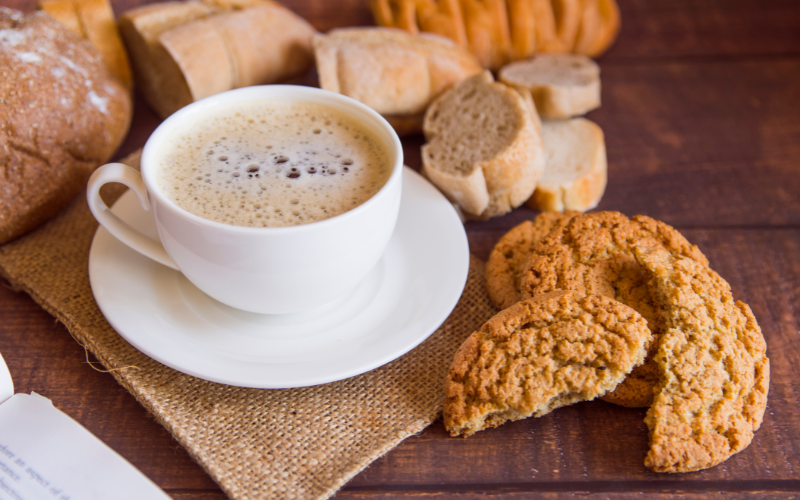
Many Peruvians opt for a lighter breakfast during the week. A simple meal of café con leche (coffee with steamed milk) and pan dulce (sweet bread) is common, particularly in urban areas where people eat quickly before starting their day.
Fruit Juices and Smoothies
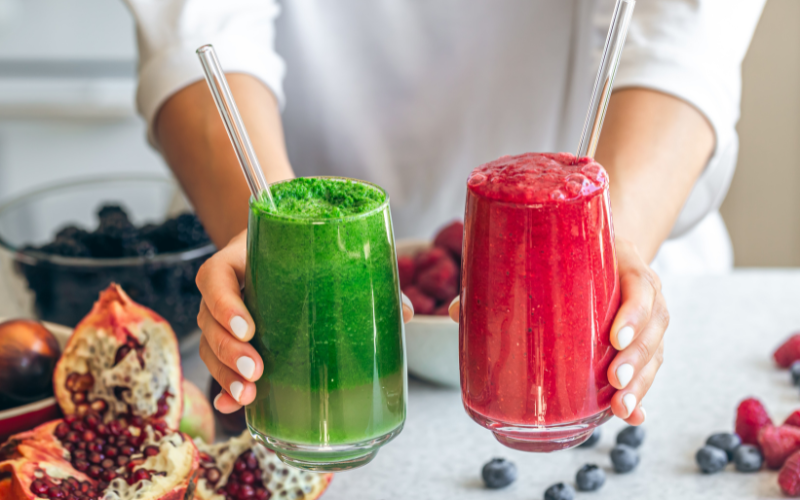
Thanks to Peru’s incredible variety of native fruits, fresh juices and smoothies are a breakfast staple. Popular choices include lucuma, mango, pineapple, and guanábana, blended into refreshing morning drinks sold at market juice stalls and cafés alike.
Cook with us
Peruvian mornings are rich in flavor and tradition. From market-fresh breads to hot drinks and savory bites, breakfast in Peru reflects a culture that values warmth, community, and good food to start the day.
Cook in Peru invites you to experience that tradition in a more personal way. In a hands-on class led by a local chef, you will prepare authentic dishes and learn how Peruvians bring flavor to their mornings. It is an opportunity to slow down, cook with intention, and see the country through its most essential daily rituals.
Trade the typical tour for something more meaningful and cook your way into Peruvian culture
Casco Viejo blends history with cuisine. From rooftop spots to hidden gems, these restaurants showcase the best flavors in Panama’s most iconic neighborhood.
One of the most beautiful aspects of Peruvian cuisine is its close connection to the seasons. Thanks to Peru’s diverse geography – ranging from the Amazon rainforest to the Andes mountains and Pacific coast – each time of year brings new ingredients and flavors to the table.
Summer (December to March)
During the warm, sunny months, coastal regions offer an abundance of fresh seafood and fruits. This is peak season for dishes like ceviche, which highlights the freshest fish and citrus. Summer is also the perfect time to sample tropical fruits such as mango, maracuyá (passion fruit), and guanábana (soursop), which are often used in desserts or refreshing juices.
Autumn (April to June)
As the weather begins to cool, hearty dishes start to appear more often at family tables. Corn harvest season brings countless varieties of maize, while potatoes and other tubers are at their best. Many soups and stews served during these months feature these comforting ingredients, often paired with cheese or slow-cooked meats.
Winter (July to September)
In the highlands, winter calls for hearty comfort foods. Soups like caldo de gallina and stews made with quinoa or legumes help locals stay warm during cold nights. Seasonal produce like oca (an Andean tuber) and squash also make frequent appearances in traditional dishes.
Spring (October to November)
Spring brings a welcome variety of fresh vegetables and fruits to markets across the country. It’s also a time for lighter dishes, such as salads made with avocados and tomatoes, and sweets that highlight seasonal fruits like strawberries.
Cook with us
Throughout the year, food remains at the heart of Peruvian life. From coastal summers to highland winters, each season brings its own ingredients, rhythms, and recipes that reflect the country’s deep connection to the land and climate. No matter when you visit, you will find flavors that speak to the moment and meals that celebrate tradition in every bite.
Cook in Peru offers a unique way to experience this seasonal richness. In a welcoming kitchen led by a local chef, you will explore traditional recipes, work with fresh ingredients, and discover the stories that make each dish meaningful. It is an opportunity to engage with Peru’s culinary culture in a hands-on, memorable way.
Come cook with us and discover the flavors of Peru through the seasons.
A Quick Guide to Peruvian Cheeses and How Locals Eat Them
Discover unique flavors from the Andes to the coast
While Peru is best known for its fresh seafood and vibrant produce, its cheeses deserve a spotlight of their own. Crafted mainly in highland regions, Peruvian cheeses are simple, rustic, and often enjoyed as part of everyday meals.
In Peru, bread isn’t just a side dish – it’s a tradition deeply rooted in history and daily life. From soft, fluffy rolls to hearty Andean loaves, every region has its beloved varieties, and bread remains a staple at meals across the country.
1. Queso Fresco
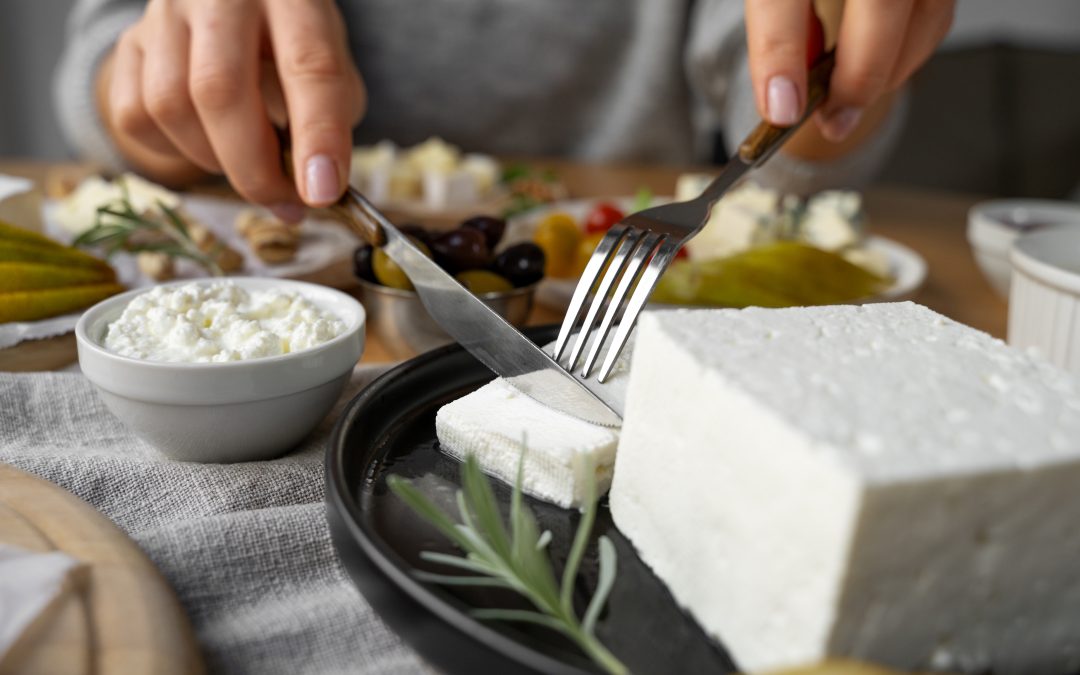
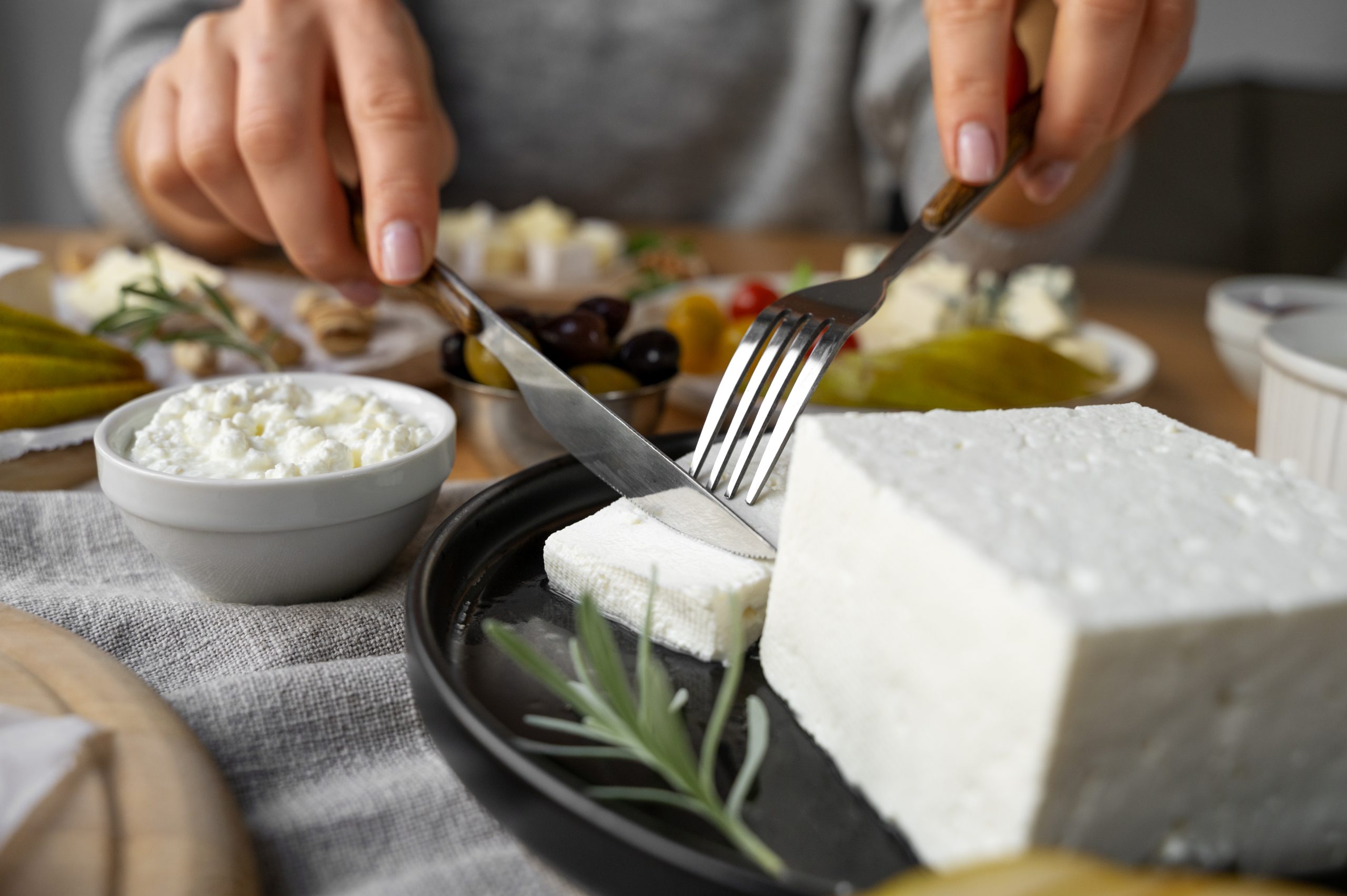
Queso fresco, or fresh cheese, is a staple throughout Peru. It’s mild, slightly salty, and soft enough to crumble over salads or soups. In many Andean towns, it’s often enjoyed with boiled potatoes or as a filling for dishes like humitas (sweet or savory corn tamales).
2. Queso Andino
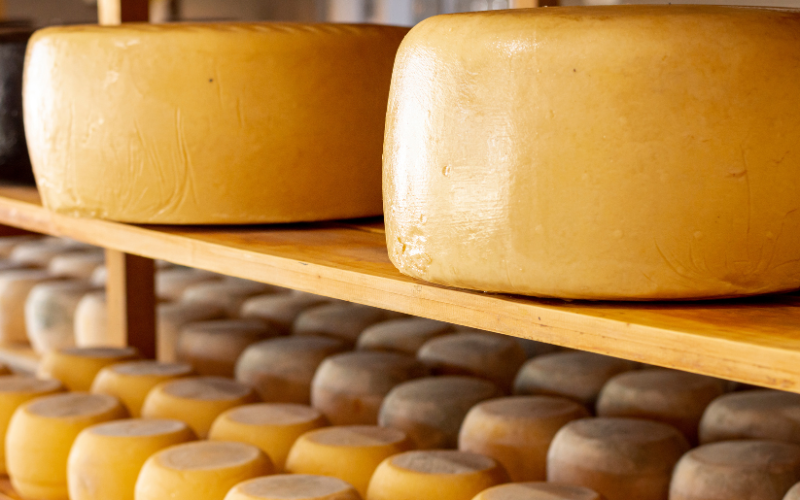
This firm, aged cheese is produced in the highlands and has a stronger, slightly tangy taste. It’s frequently eaten alongside bread or with hearty stews, where its sharpness balances rich, earthy flavors.
3. Quesillo
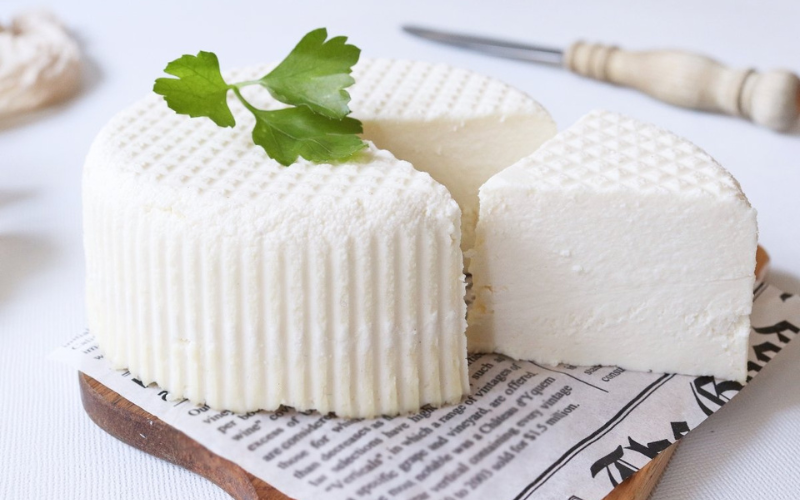
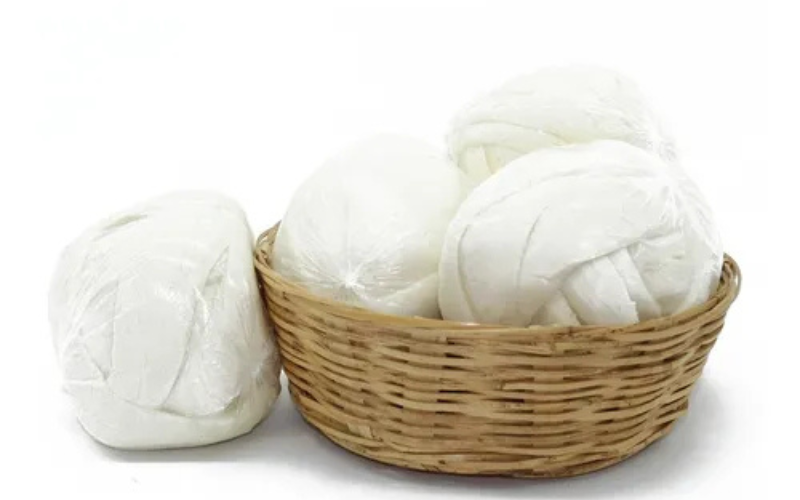
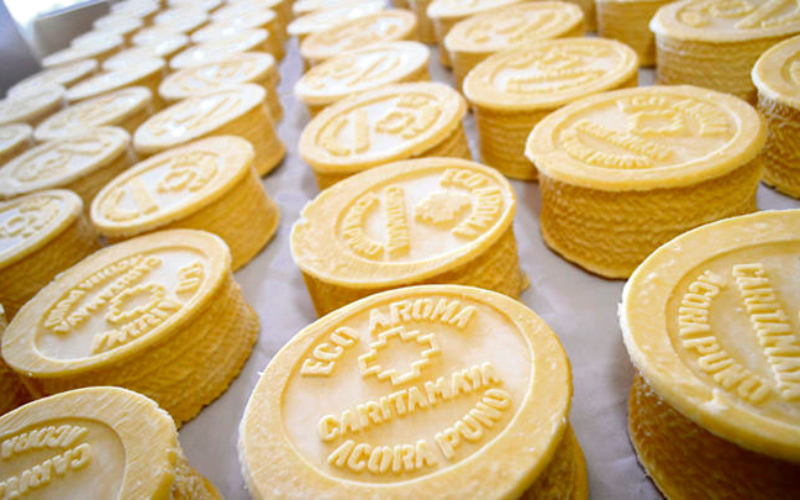
Popular in southern Peru, quesillo is a soft, fresh cheese with a creamy texture. It’s usually sold in small rounds at markets and eaten simply with fresh bread or corn. Many locals enjoy it as a snack or light meal.
4. Queso Paria
This semi-hard cheese comes from the Ayacucho region and is well-loved for its smooth, buttery flavor. It’s often melted into sauces or served with pachamanca, an iconic highland dish cooked underground.
Cook with us
In Peru, cheese is simple, fresh, and always meaningful. It is often paired with fruit, corn, or bread and shows up in everything from casual breakfasts to festive holiday meals. Whether you are exploring a rural market or sipping coffee in a city café, you are likely to come across a local variety of cheese served in its purest form.
For travelers curious about Peruvian cheeses and eager to explore how local ingredients come to life in the kitchen, Cook in Peru offers an unforgettable culinary experience. During this hands-on cooking class, you will join a local chef in their own kitchen and prepare authentic dishes that reflect the flavors and traditions of everyday Peruvian life. From the ingredients you choose to the stories behind each recipe, every detail brings you closer to the heart of the culture.
Step away from the typical tourist routine and try something different.
Book your class today and discover the richness of Peru’s food culture from the inside out.
Casco Viejo blends history with cuisine. From rooftop spots to hidden gems, these restaurants showcase the best flavors in Panama’s most iconic neighborhood.
In Peru’s Andean highlands, food is more than just nourishment – it’s warmth, tradition, and community. Thanks to the altitude and chilly climate, comfort foods here are rich, hearty, and deeply satisfying. These are some of the most beloved dishes you’ll find in the region.
1.Adobo Arequipeño
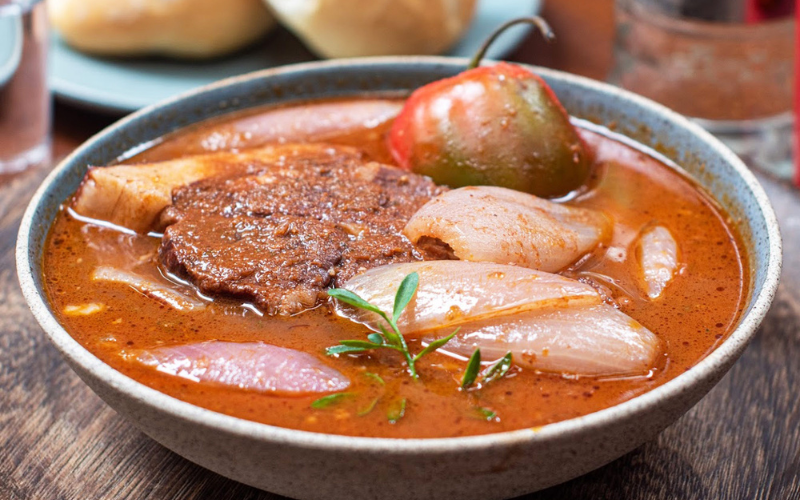
This traditional pork stew from Arequipa is marinated overnight in chicha de jora (fermented corn beer) with garlic, spices, and Peruvian chili peppers. It’s slow-cooked until tender and served with bread to soak up the flavorful broth. It’s typically enjoyed for breakfast or brunch, especially on Sundays.
2. Olluquito con Charqui
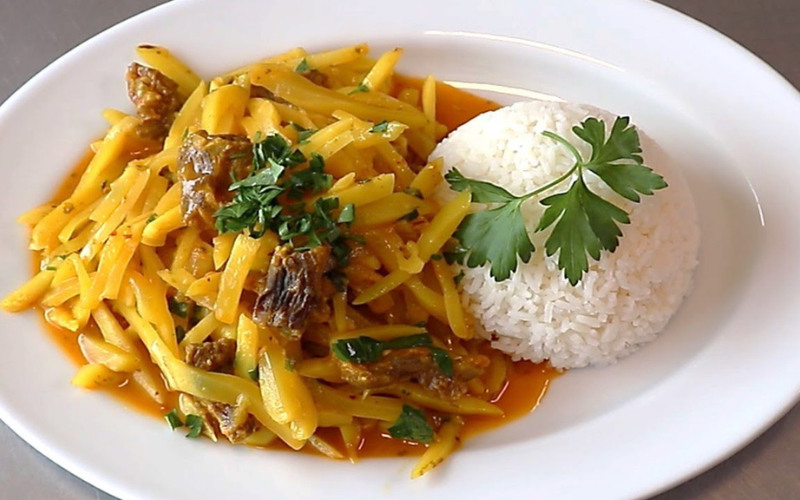
Made with olluco, a vibrant yellow Andean root vegetable, this dish is sautéed with onions, garlic, and spices, then combined with charqui – dried, salted llama or alpaca meat. It’s a staple in the highlands, offering a unique mix of earthy and savory flavors.
3. Pachamanca
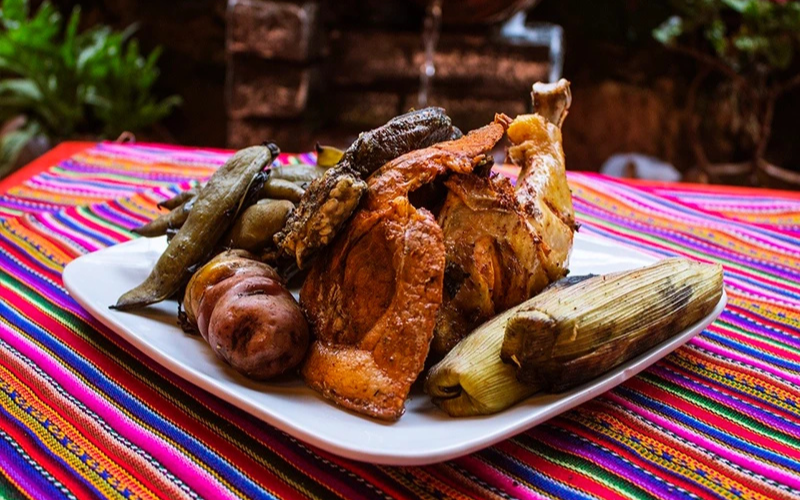
Pachamanca is not just a dish – it’s a celebration. Meats like pork, chicken, and lamb are marinated with Andean herbs, then wrapped in banana leaves and cooked underground over hot stones. Served with potatoes, corn, and tamales, pachamanca is often prepared for special gatherings and festivals.
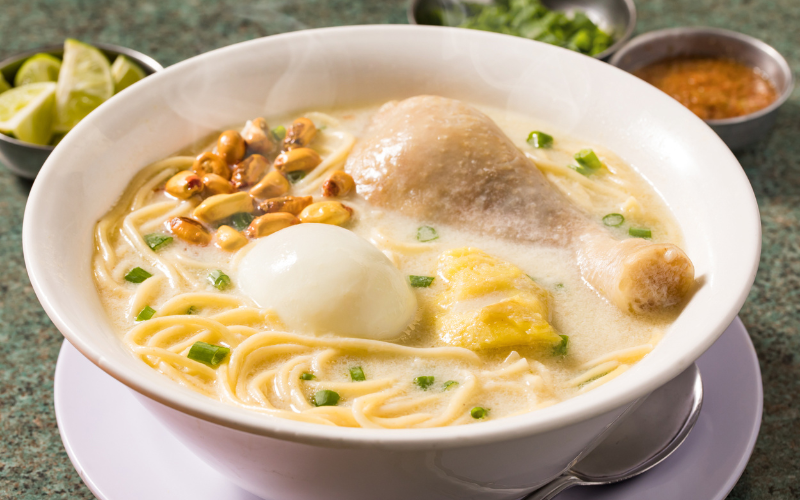
4. Caldo de Gallina
A comforting chicken soup, caldo de gallina is served steaming hot with thick noodles, potatoes, boiled eggs, and sometimes rice. It’s simple, nourishing, and known for its restorative qualities, especially after a long day of hiking or exploring the mountains.
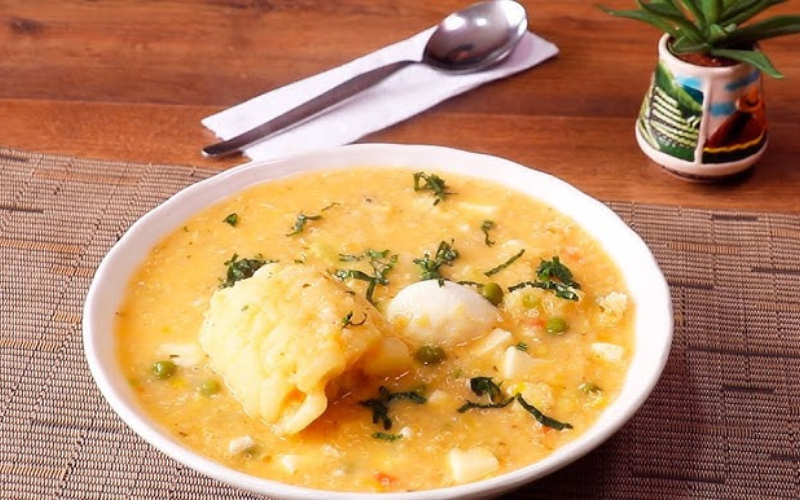
5. Chupe de Quinua
This hearty quinoa stew is packed with vegetables, milk, cheese, and herbs, making it both nutritious and filling. In many households, it’s enjoyed as a weeknight dinner, and quinoa’s high protein content makes it a favorite among locals living at high altitudes.
Cook with us!
The heart of Andean cooking is found in its warmth, simplicity, and deep connection to the land. Rooted in tradition and shaped by generations of home cooks, these dishes reflect the strength and soul of Peru’s highland communities.
Cook in Peru offers an opportunity to explore this rich culinary heritage in a hands-on experience alongside a local chef. In a welcoming kitchen setting, you will prepare traditional dishes from scratch, learning techniques and stories that bring the Andes to life through food.
Step into the kitchen and discover the true taste of the Andes.
Casco Viejo blends history with cuisine. From rooftop spots to hidden gems, these restaurants showcase the best flavors in Panama’s most iconic neighborhood.
Why bread holds a special place at every Peruvian table
In Peru, bread isn’t just a side dish – it’s a tradition deeply rooted in history and daily life. From soft, fluffy rolls to hearty Andean loaves, every region has its beloved varieties, and bread remains a staple at meals across the country.
1. Pan Chuta
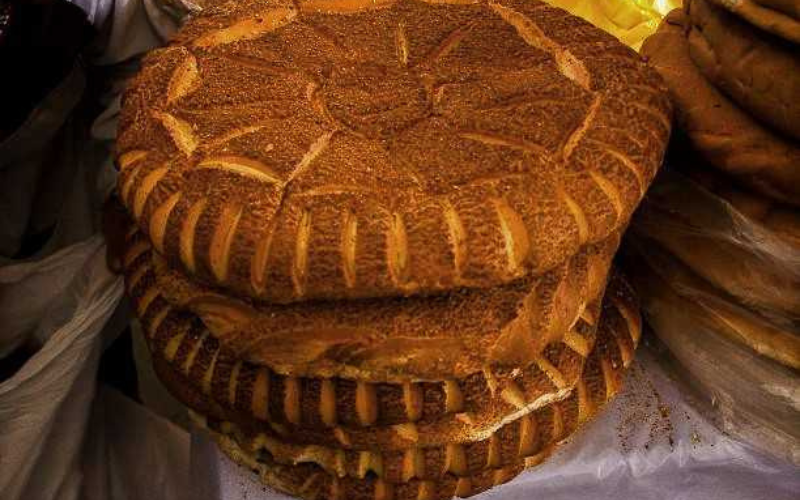
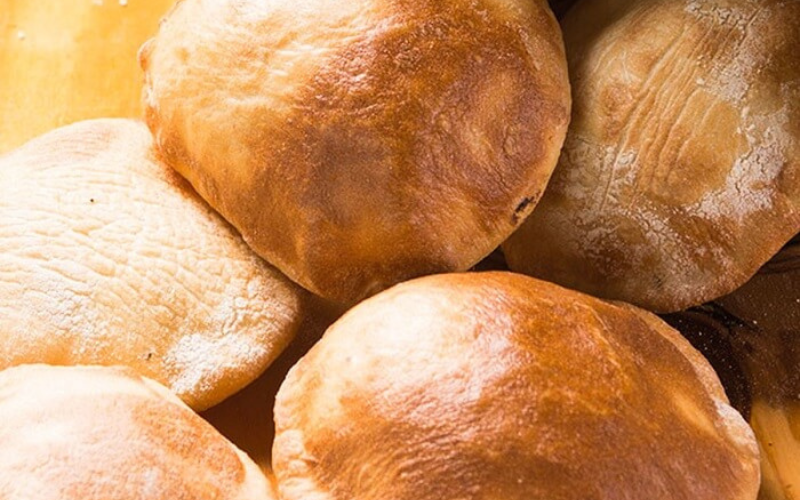
This sweet, round bread from Cusco is flavored with anise and covered in a light dusting of flour. Traditionally baked in wood-fired ovens, pan chuta has a slightly chewy texture and a rich aroma that fills the streets of towns like Oropesa, often called the “bread capital” of Peru.
2. Pan de Anís
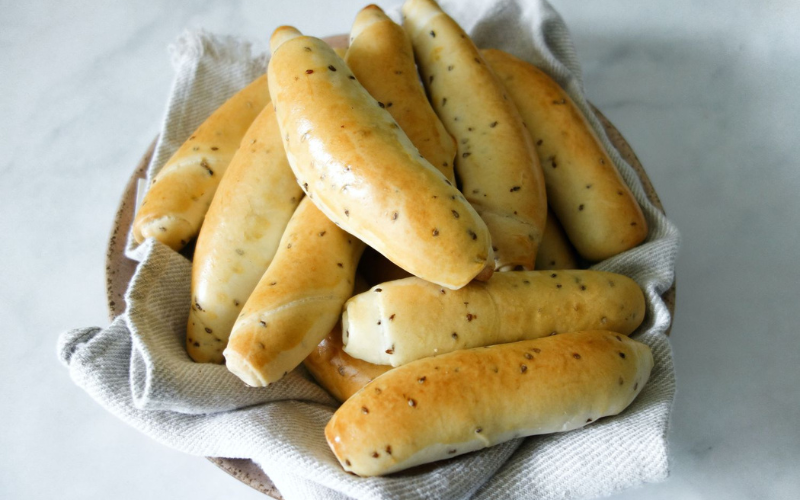
As its name suggests, pan de anís is known for its aromatic flavor, thanks to anise seeds kneaded into the dough. It’s slightly sweet and typically enjoyed with coffee or hot chocolate, especially during festive occasions or as a mid-morning snack.
3. Marraqueta
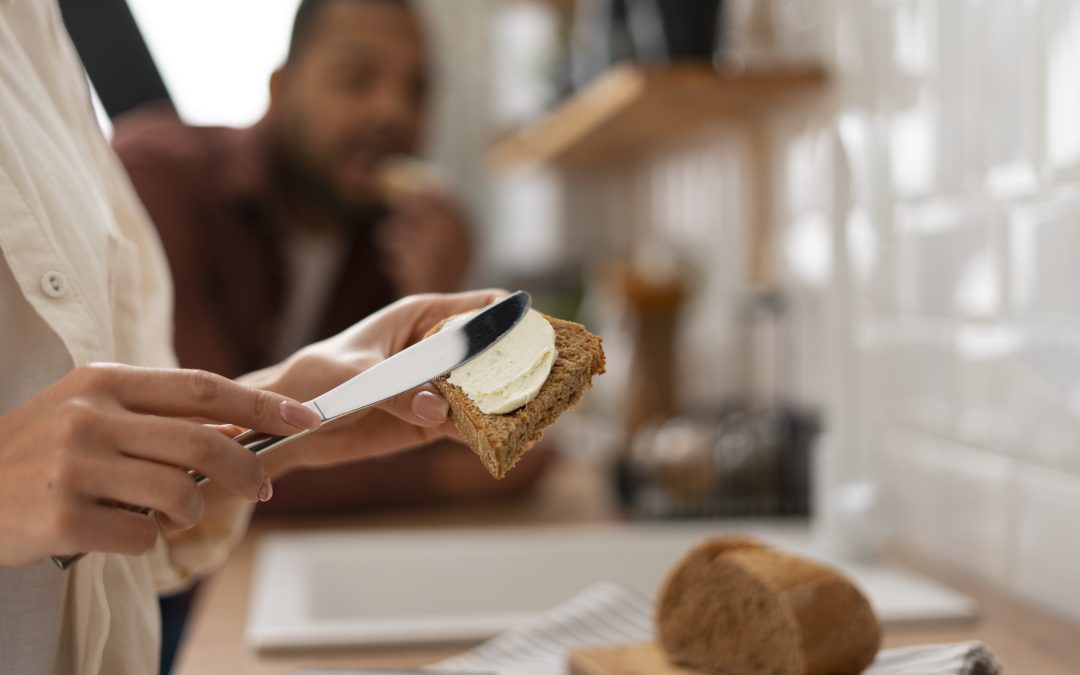
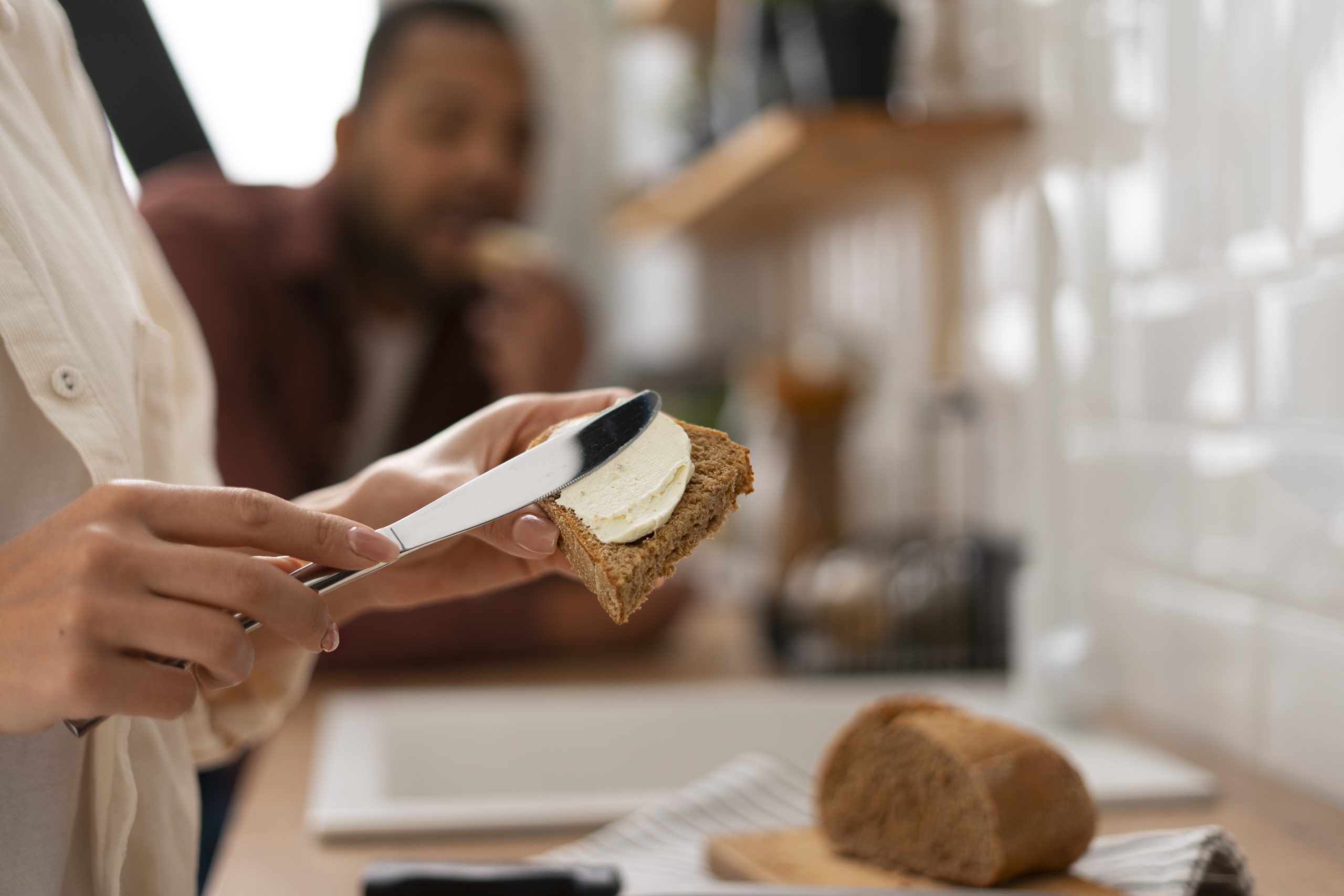
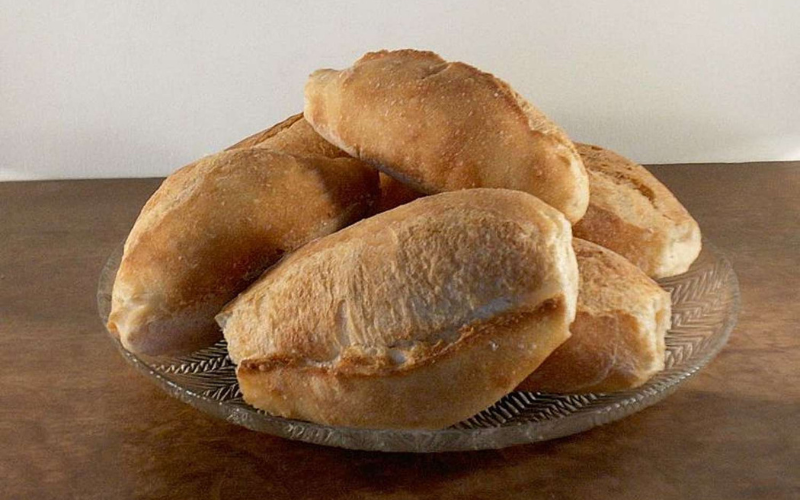
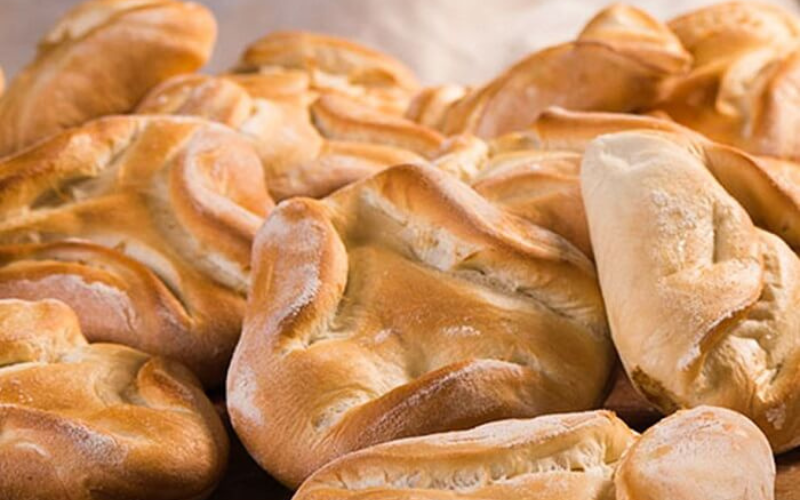
Also known as pan francés, marraqueta is a crunchy, airy bread that’s popular in many parts of Peru, particularly in Lima. Its crispy crust and soft interior make it perfect for sandwiches or served simply with butter and jam for breakfast.
4. Pan de Tres Puntas
A specialty from Arequipa, pan de tres puntas is a triangular bread known for its crunchy edges and light, airy crumb. It’s often eaten with soups or used to soak up sauces in hearty dishes.
5. Pan Serrano
Common in the Andes, pan serrano is a rustic, dense bread made from a blend of white and whole grain flours. It’s designed to last for days and is especially popular in remote mountain communities, where it’s often served with cheese or avocado.
Cook with us
For travelers eager to go beyond simply tasting Peruvian bread and truly connect with its cultural roots, Cook in Peru offers an unforgettable culinary experience.
In this cooking class, you will step into the home kitchen of a local chef and prepare traditional Peruvian dishes using regional ingredients and time-honored techniques. You will not just learn recipes but also explore the stories and customs behind every bite.
This is more than a class. It is a chance to cook, learn, and share a meal in the most authentic way possible. Ready to taste Peru from the inside out?
Book your spot today and make this the most flavorful memory of your trip.
Casco Viejo blends history with cuisine. From rooftop spots to hidden gems, these restaurants showcase the best flavors in Panama’s most iconic neighborhood.
5 Peruvian Drinks You Have to Try (Beyond Pisco Sour)
Discover traditional beverages that locals love
While the Pisco Sour is Peru’s most famous cocktail, there’s much more to the country’s drink culture. From ancient corn-based brews to refreshing non-alcoholic favorites, these drinks are deeply woven into Peru’s history and everyday life.
1.Chicha Morada
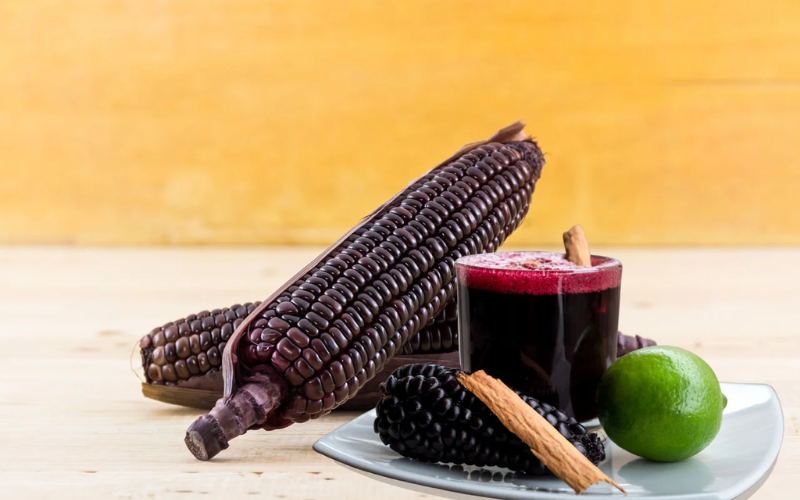
This vibrant purple drink is made by boiling purple corn with pineapple, apple, cinnamon, and cloves, then sweetened and served cold. It’s naturally refreshing and full of antioxidants. You’ll see it everywhere, from family lunches to street markets, and it’s a great non-alcoholic option for travelers.
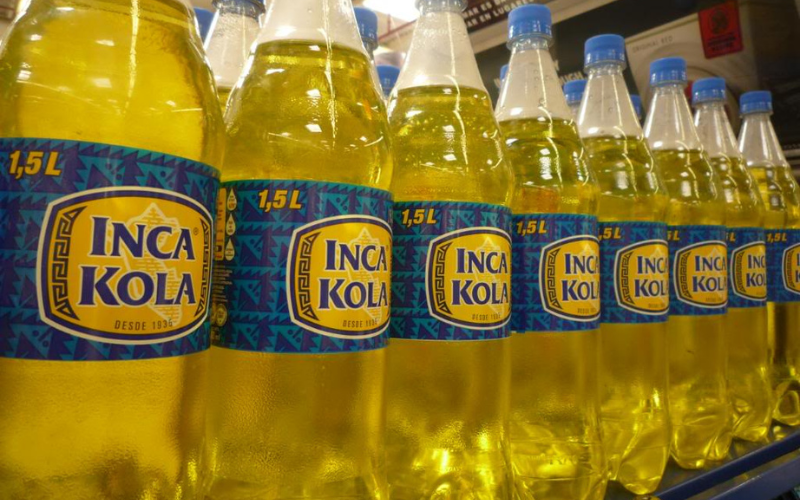
2. Inca Kola
Known as “the drink of Peru”, Inca Kola is a bright yellow soda with a flavor that’s hard to describe – sweet, slightly herbal, and instantly recognizable. It’s so popular that it outsells Coca-Cola in Peru and is often paired with dishes like ceviche or pollo a la brasa.
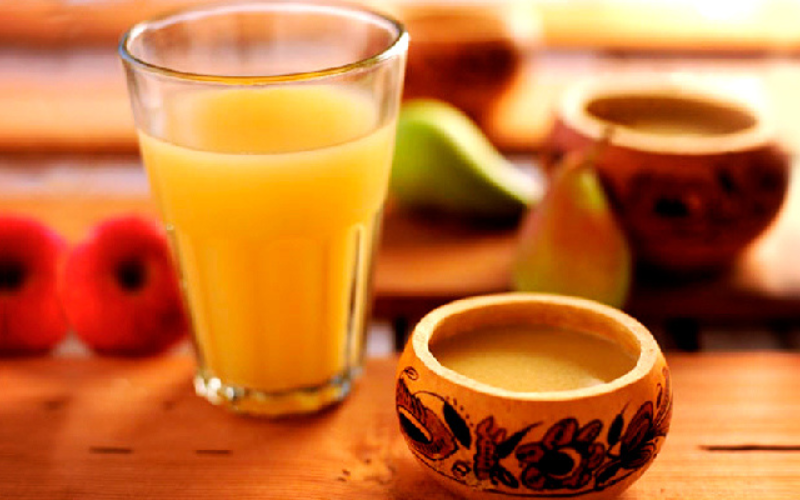
3. Chicha de Jora
Dating back to Inca times, this traditional fermented corn beer is made from germinated corn and has a slightly sour, earthy taste. It’s most common in the Andes, where it’s often enjoyed during festivals or shared at community gatherings. It’s a drink with strong cultural ties and is still handmade in many regions.
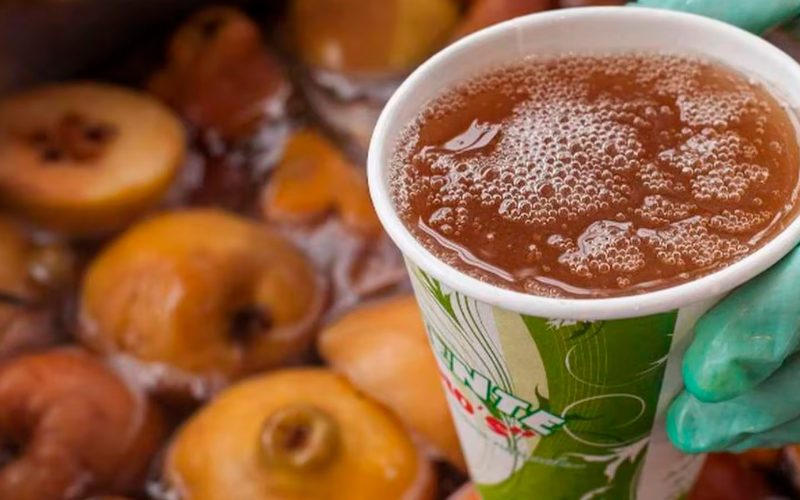
4. Emoliente
Often enjoyed in the highlands and colder parts of Peru, emoliente is a warm herbal drink made from barley, medicinal herbs, and sugar. Locals swear by its soothing properties, especially during chilly evenings, and it’s commonly sold by street vendors.
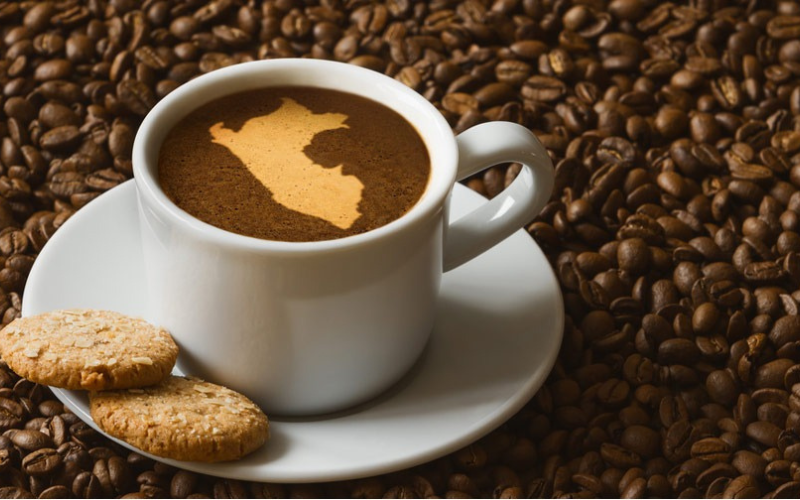
5. Café Peruano
Peruvian coffee has been gaining recognition around the world, especially beans from regions like Cajamarca and Cusco. Coffee in Peru tends to be smooth and rich, often served in small cups with a side of sugar or condensed milk. It’s a daily ritual for many locals and a must-try for visitors.
Cook with us
In Peru, food and drink are deeply intertwined. From vibrant juices made with native fruits to traditional drinks like chicha morada and pisco-based cocktails, what is served in the glass is just as meaningful as what is on the plate. These combinations reflect generations of tradition and a culture that values balance, flavor, and shared experience.
Cook in Peru offers the chance to step into that world with a hands-on cooking experience in a local chef’s kitchen. As you learn to prepare traditional dishes, you will also gain insight into how Peruvians pair meals with beloved drinks and celebrate the harmony between them. It is an authentic way to explore Peruvian culture from the inside out.
Discover the flavors of Peru one dish and one glass at a time
Casco Viejo blends history with cuisine. From rooftop spots to hidden gems, these restaurants showcase the best flavors in Panama’s most iconic neighborhood.